
Foreign tourists to be denied entry to Japan over unpaid medical bills
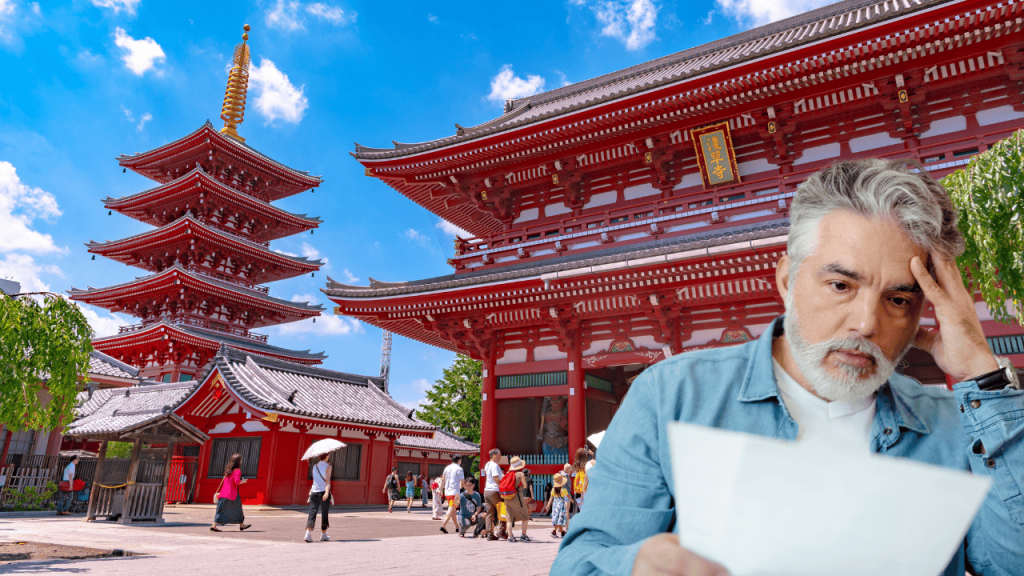
Japan’s government announced significant revisions to its policies concerning foreign residents and visitors on Friday, targeting issues of unpaid medical fees and social security contributions.
The new measures include denying entry to foreign tourists with outstanding medical debts from previous visits and rejecting visa extensions for foreign nationals who have failed to pay into the national health care and pension systems.
Implementation details for these changes are still under development.

The policy adjustments were finalized during a ministerial meeting at the Prime Minister’s Office.
The revisions come amidst increasing scrutiny from politicians and a growing number of foreign arrivals, with concerns rising over deficits in public services, such as medical care and health insurance, that are currently being covered by Japanese taxpayers.
Prime Minister Shigeru Ishiba emphasized the necessity of these reforms.
“If our current systems are unable to address the realities of globalization and fail to dispel public anxiety, then drastic reforms must be undertaken,” Ishiba stated during the meeting.
He also indicated plans to establish a new liaison office within the Cabinet Secretariat to coordinate efforts across various ministries to tackle these multifaceted issues.
While stressing the need for stricter enforcement, Prime Minister Ishiba also affirmed the government’s commitment to supporting foreign nationals.
“We will make sure to consider the rights of foreign nationals are ensured and provide necessary support so they won’t be isolated in our country,” he added. “But we will take strict measures for those who don’t follow the rules.”
Further details of the revised policy include new checks on host organizations employing foreign workers with specified skilled worker residential status.
If these organizations are found to have a certain level of unpaid social welfare premiums, they will face restrictions on hiring such workers.
These policy discussions have been ongoing, with a ruling Liberal Democratic Party (LDP) committee submitting a proposal to Prime Minister Ishiba on Thursday.
That proposal advocated for improved dissemination of information regarding tax and social insurance obligations to foreign residents.

The proposed revisions are also slated for inclusion in the “honebuto” annual economic basic policy guidelines, which serve as the foundation for the upcoming fiscal year’s national budget.
Under existing Japanese law, foreign nationals residing in Japan for over three months are mandated to enroll in the national health care program, kokumin kenkō hoken.
While full-time company employees typically have their health insurance covered by their employers, other residents, such as exchange students, are sometimes unaware of their enrollment obligation.

Current procedures involve mailing invoices after enrollment, but a significant number of foreign residents reportedly fail to complete these payments.
A health ministry survey conducted from April to December 2024 across 150 municipalities found that only 63% of eligible foreign residents had paid their premiums, a figure substantially lower than the overall 93% payment rate among all residents, including Japanese citizens.
Source: The Japan Times
This post may contain affiliate links, and Essential Japan may earn a commission if you purchase through them.