
Gachiakuta’s first episode divides fans: is unique animation just hiding a generic plot?

The premiere of the Gachiakuta anime has left audiences in agreement on one thing: the visuals are spectacular.
Yet, as praise for the fluid animation floods the internet, some fans appear to be less convinced that this will be the next big hit series.
Many viewers are questioning if the dazzling production values are masking a story that feels all too familiar.
The central debate emerging from the debut is whether Studio Bones has delivered a visual feast that hides a generic shonen plot at its core.

There is no argument regarding the quality of the adaptation’s art, which flawlessly captures the graffiti-inspired chaos of Kei Urana’s original manga.
The manga quickly became a hit for Kodansha’s Weekly Shōnen Magazine due to its Urana’s unique artistic style.
Urana previously worked as an assistant to Atsushi Ohkubo, the creator of Soul Eater and Fire Force, and that stylistic influence is evident in their dynamic character designs.
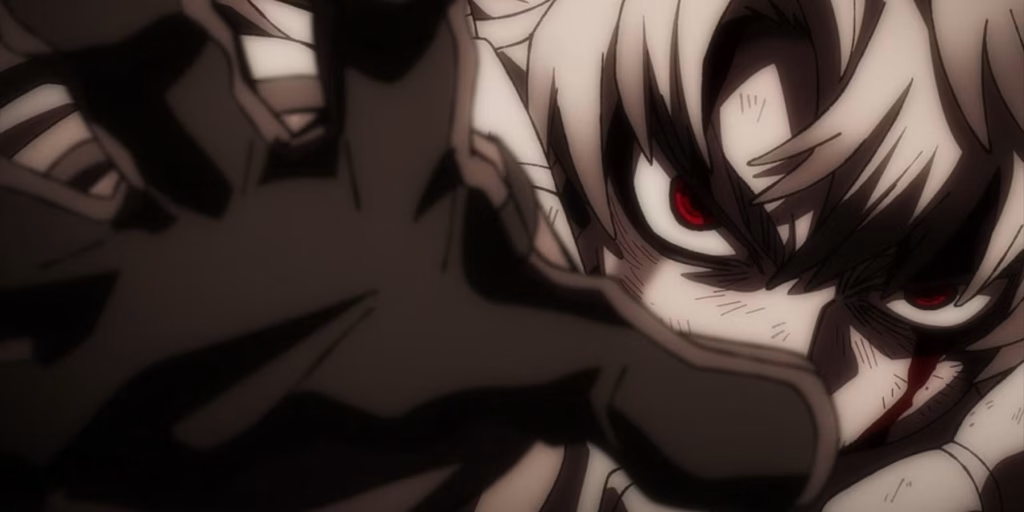
Studio Bones, a well respected veteran of the industry, has unquestionably produced a first episode that certainly delivers on an animation level.
The series’ gritty world and its oppressive atmosphere have been brought to life with a level of detail that has drawn widespread acclaim.
This visual accomplishment, however, has only served to bring attention to the strength of the story’s overall structure.
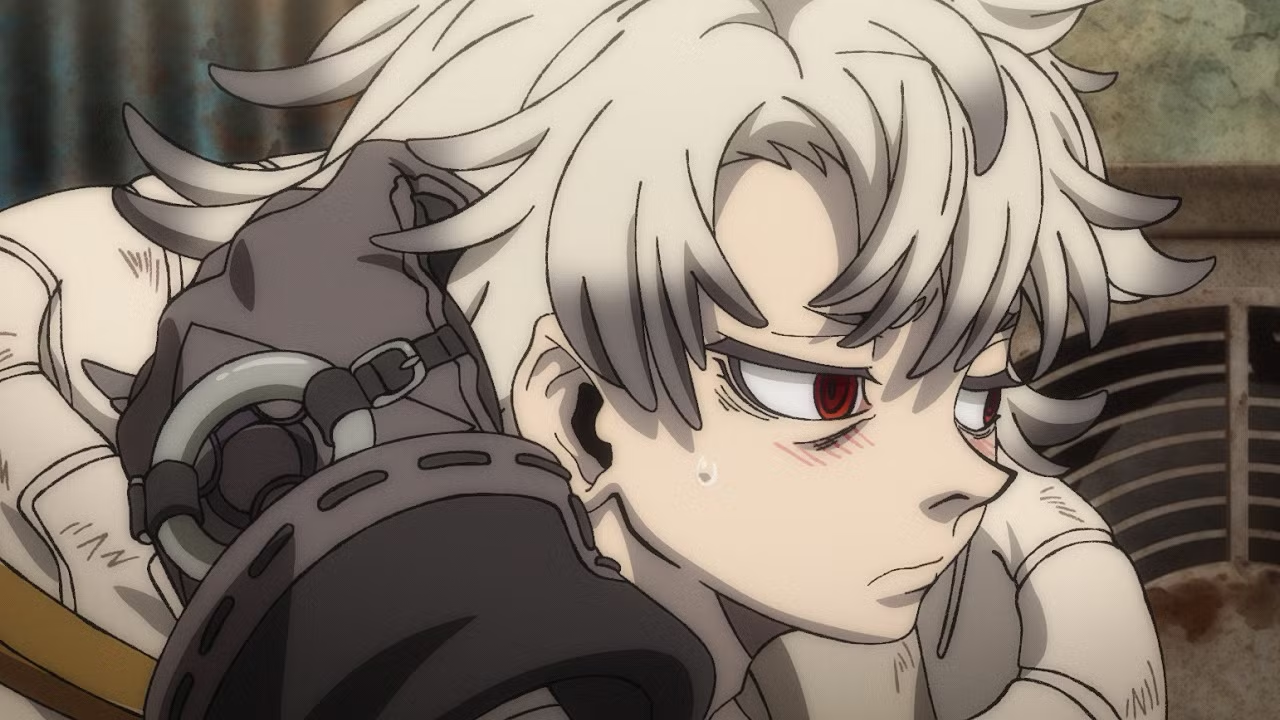
The plot follows Rudo, an outcast framed for a crime and exiled, setting him on a quest for vengeance.
Some fans have immediately pointed to this “wronged hero” setup as a well-worn trope within the genre, lacking the originality of the show’s visuals.
Discussions online are now filled with viewers weighing the show’s incredible animation style against what has been suggested as a lack of substance in terms of depth of story.
The early feelings among fans seem to suggest that while the anime is a technical marvel, its ultimate success may depend on its ability to elevate its storyline in the coming episodes.

Even the strong emotional reactions to the characters, from sympathy for Rudo to scorn for his betrayer Chiwa, haven’t quite been enough to persuade some viewers that the series has potential to rival some of anime’s most popular series longer term.
The recent confirmation of a 24-episode run without breaks gives the series time to prove its worth, but the initial division in opinions clearly shows that some fans will require a little more convincing.
© Kodansha / Kei Urana

If you enjoyed this article, you can see more from us directly in your Google feed by adding us as a preferred source.
This post may contain affiliate links, and Essential Japan may earn a commission if you purchase through them.


