
JR East Increases Train Fares for the First Time Since 1987
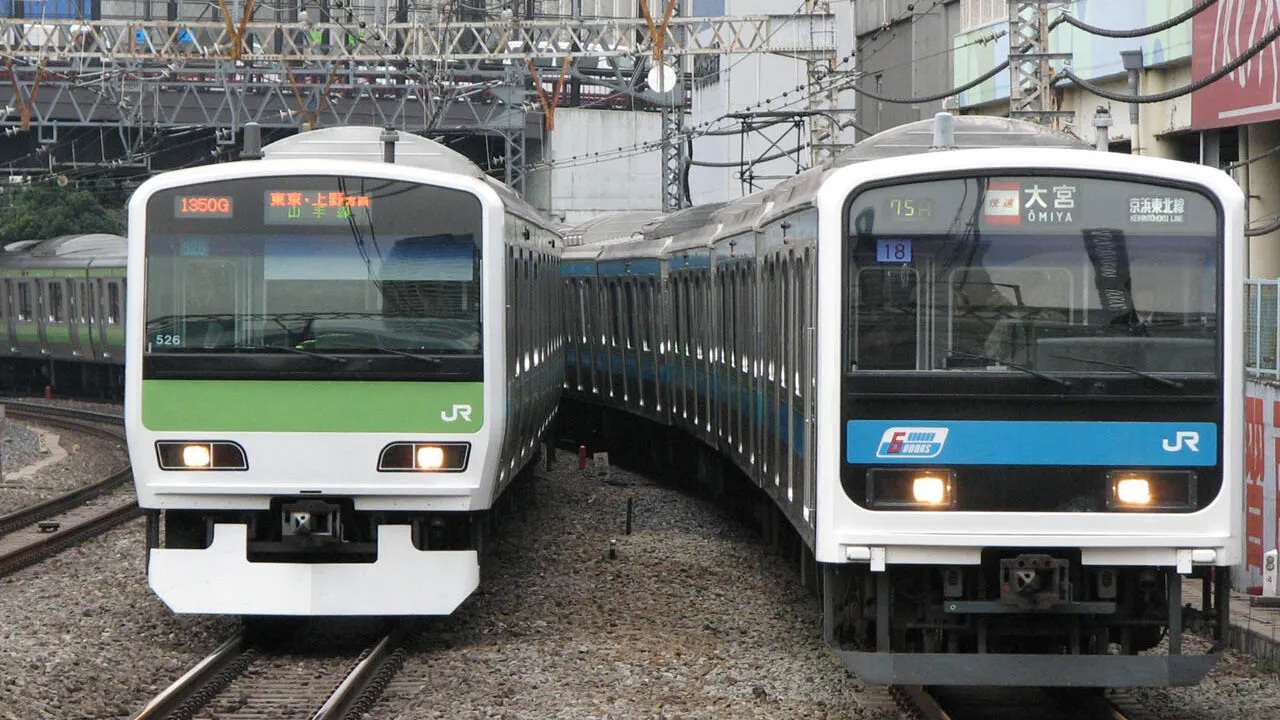
East Japan Railway Company has increased fares for the first time since its privatization in 1987.
The new fare adjustments are the first ever in the company’s history, excluding mandatory increases due to national tax increases and accessibility surcharges over the past four decades.
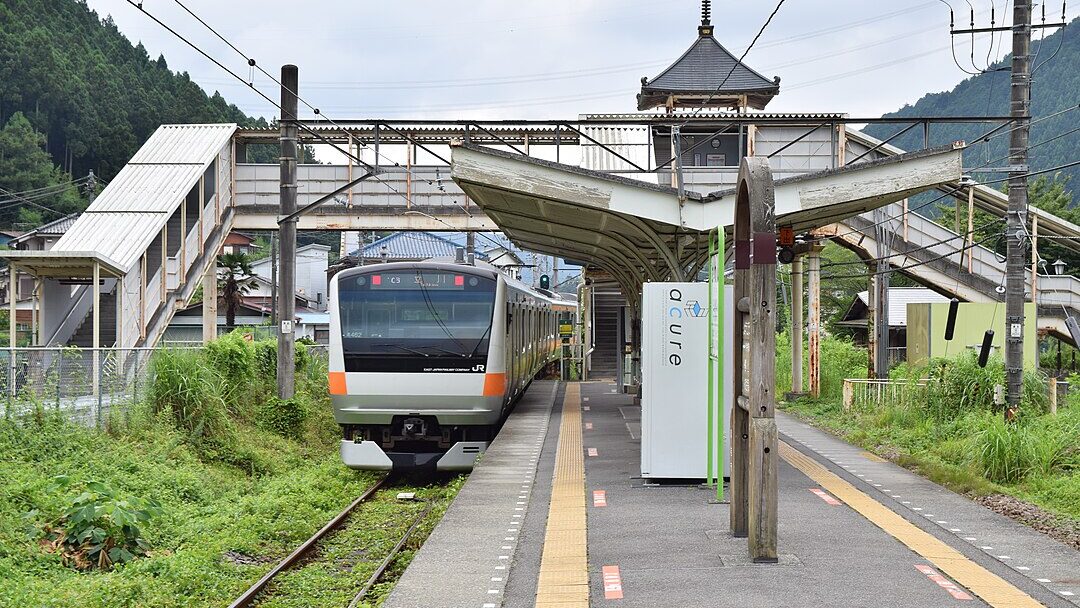
The sweeping pricing changes officially took effect on Saturday, March 14, 2026.
The transport ministry officially approved the 7.1 percent average rate hike in August of last year.
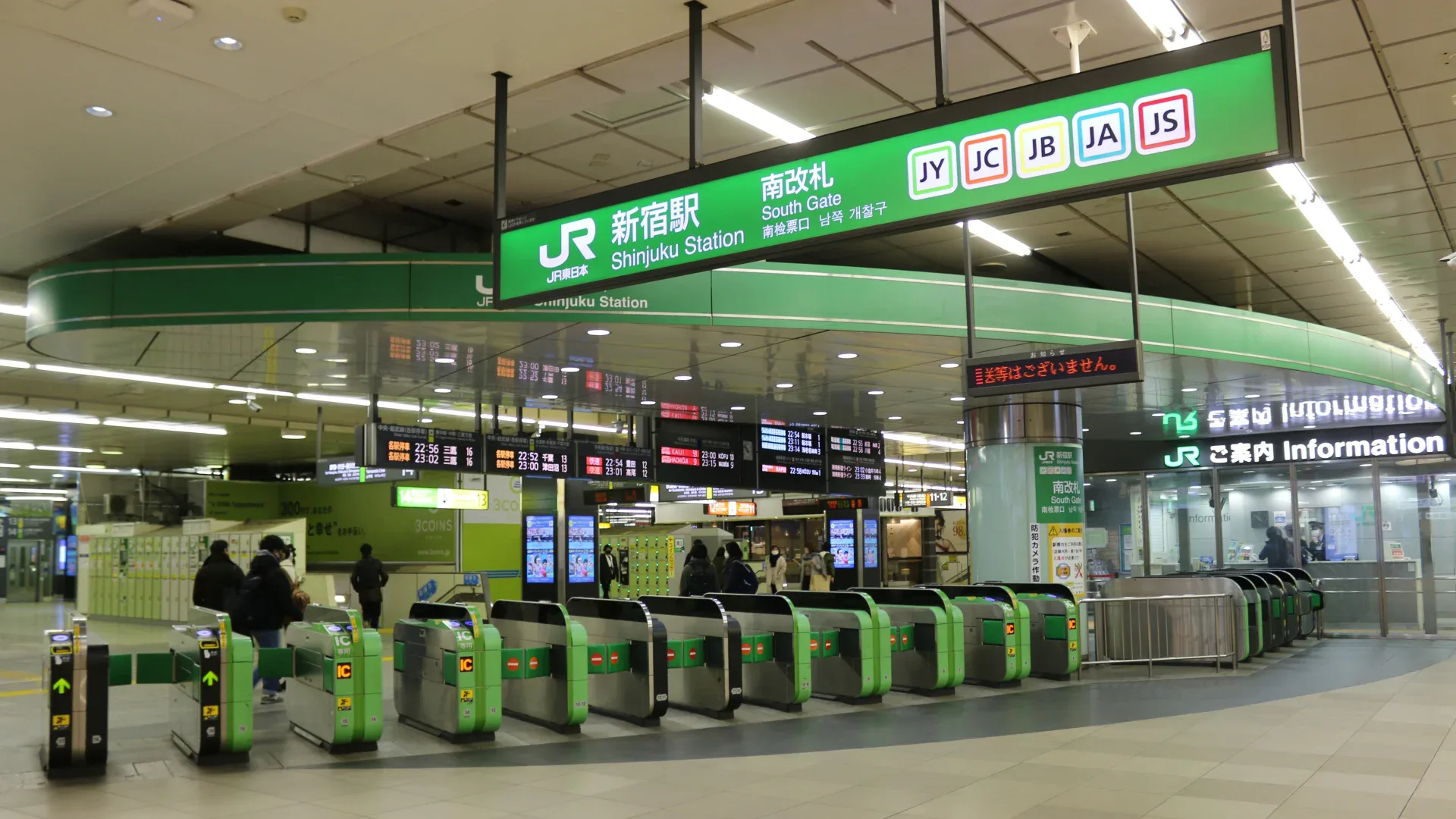
Central Tokyo commuters will feel the financial impact the hardest due to the complete elimination of long-standing discounted fare zones.
The former Japanese National Railways established these cheaper urban categories in 1984 to stay competitive with private railway operators.
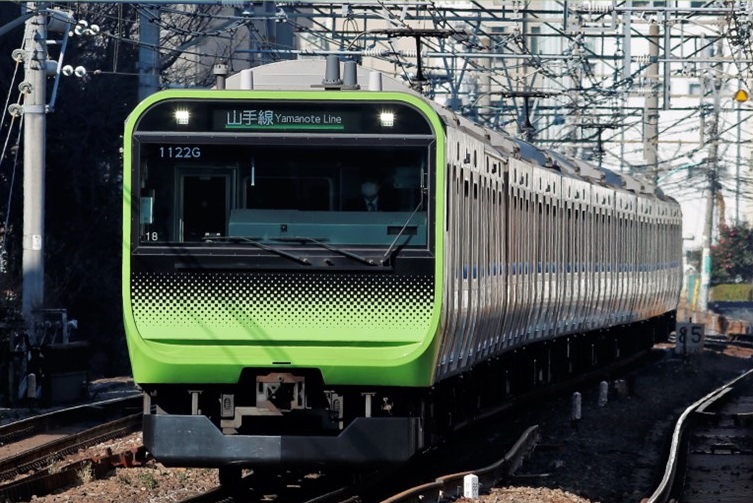
The new pricing structure abolishes the Designated Tokyo Train Area and the Yamanote Line Zone, merging them into the standard, pricier Main Line category.
Standard fares across the network will rise by 7.8 percent, while commuter passes will see a 12 percent increase, and student passes will jump by 4.9 percent.
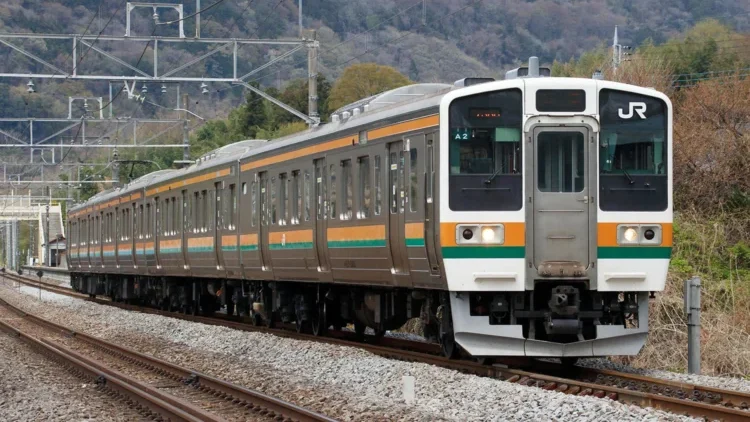
The base fare for a short trip on local trains will increase from 150 yen to 160 yen (approx. $1 USD / £0.80 GBP).
Fares in the former discount zones will jump by double digits, with the Yamanote Line Zone facing a massive 16.4 percent increase.
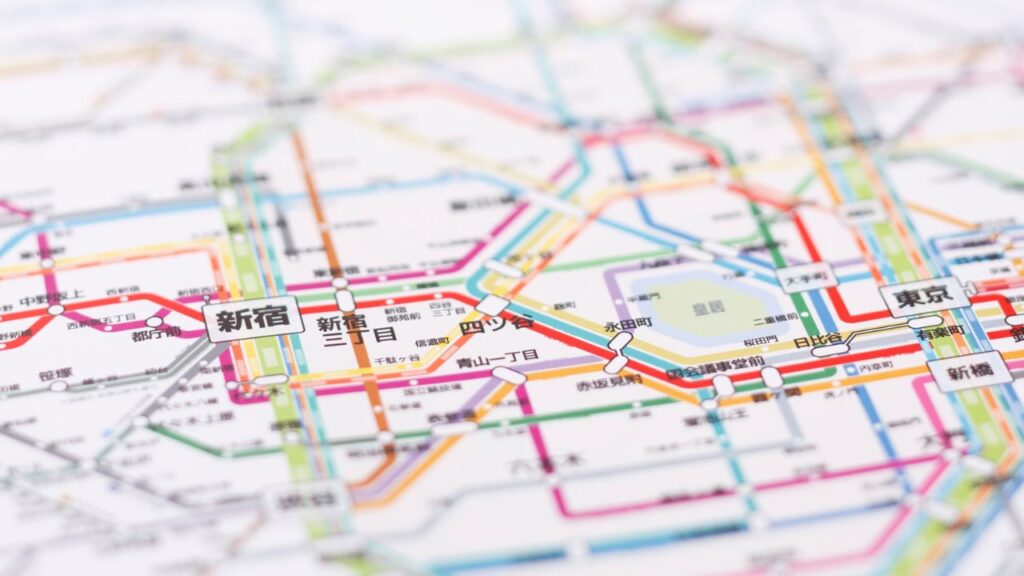
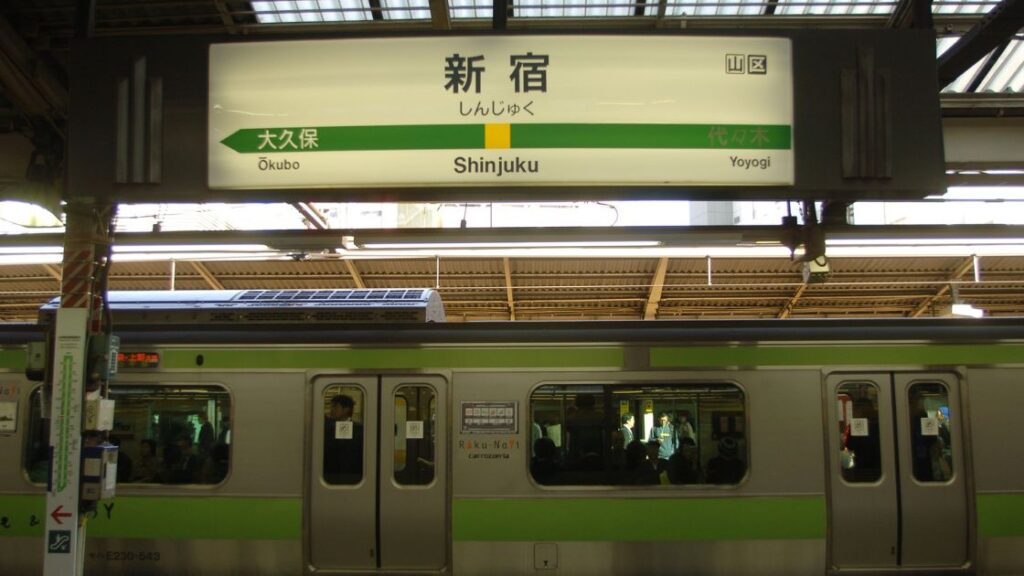
A standard trip from Tokyo Station to Shinjuku Station will now cost 260 yen instead of the previous 210 yen.
This significant overhaul is expected to generate approximately 88 billion yen in additional annual revenue for the company.
JR East President Yoichi Kise explained that the company has reached a point where it can no longer secure necessary funds through productivity improvements alone.
The railway operator attributes the necessary hike to a combination of rising material prices, inflationary pressures, and a shrinking national workforce.
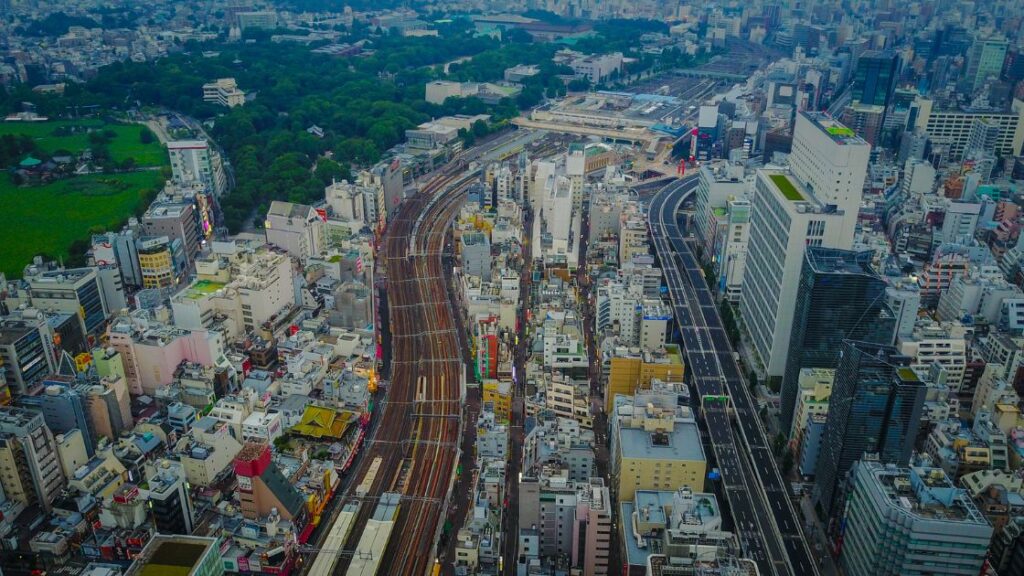
Ridership plummeted during the pandemic and has only recovered to about 90 percent of previous levels due to the permanent rise of remote work.
The company also faces mounting interest-bearing debt and the urgent need to address aging infrastructure on its massive Shinkansen lines.
These changes will, unfortunately, put the company at a competitive disadvantage against several major private railways operating in the Tokyo metropolitan area.
Traveling from Shibuya to Yokohama will now cost 440 yen on JR East, while the competing Tokyu line remains at just 310 yen.
This post may contain affiliate links, and Essential Japan may earn a commission if you purchase through them.