
Japan considers ending tax-free shopping amid reseller rampage
With Japan experiencing a sustained surge in international tourist arrivals, policymakers are intensifying efforts to optimize economic benefits from foreign visitors, specifically targeting the country’s tax-free shopping scheme.
A study group of Liberal Democratic Party (LDP) lawmakers recently convened to discuss the potential abolition of this system, citing concerns over widespread fraudulent use.

“Widespread fraudulent use of the tax-free system undermines the credibility and fairness of the consumption tax. We can’t allow this to continue,” stated Lower House lawmaker Kazunori Tanaka, chairman of the study group, during its second meeting last Thursday.
The group has formulated a preliminary proposal for the party’s powerful tax committee, which is expected to shape the fiscal 2026 budget agenda.
Evolving Role of Tax Exemption
Japan introduced tax-free shopping over 70 years ago, long before it became a major international tourist destination.
Its scope has expanded significantly since then, as the government actively worked to enhance Japan’s appeal to travelers.
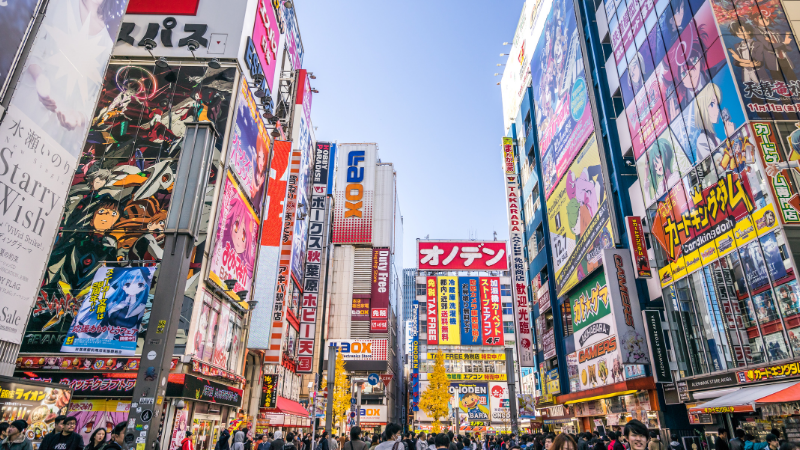
The current system permits foreign visitors to purchase goods above ¥5,000 (approximately $35) without paying the 10% consumption tax, under the condition that these items are taken out of the country. A ¥500,000 daily cap applies to consumable items like cosmetics or food.
Lower House lawmaker Kenji Nakanishi, a former JP Morgan executive and a vocal proponent for abolishing the system, contends that its utility has diminished.
Nakanishi argues that the weakened yen, combined with decades of deflation and stable prices, has already made Japan a sufficiently attractive destination, implying tourists would continue to visit regardless of the tax exemption.

“The tax-free system has led to some results in the past,” Nakanishi remarked, “But I think that now, its role has come to an end.”
Government data indicates that out of over ¥8.1 trillion spent by international tourists in 2024, roughly one-third (approximately ¥2.4 trillion) was allocated to shopping.
This translates to an estimated ¥200 billion to ¥240 billion in uncollected consumption tax revenue.
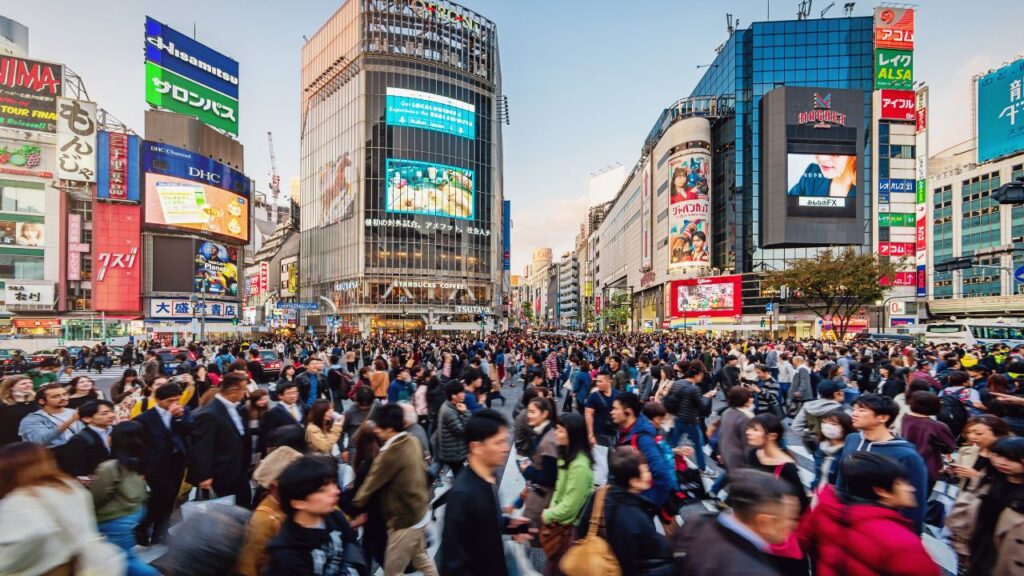
Nakanishi asserted, “We shouldn’t make low prices our key selling point. I want foreign tourists to understand the true value of Japan, I don’t want them to come just because it’s cheap.”
While a majority of OECD countries offer tax-free shopping, notable exceptions include the United States and the United Kingdom, which discontinued its perk in 2021.
Department Stores Benefit, But Concerns Remain
Since Japan’s full reopening to tourism in spring 2023, department stores have significantly benefited from the influx of foreign tourists and the tax-free system.
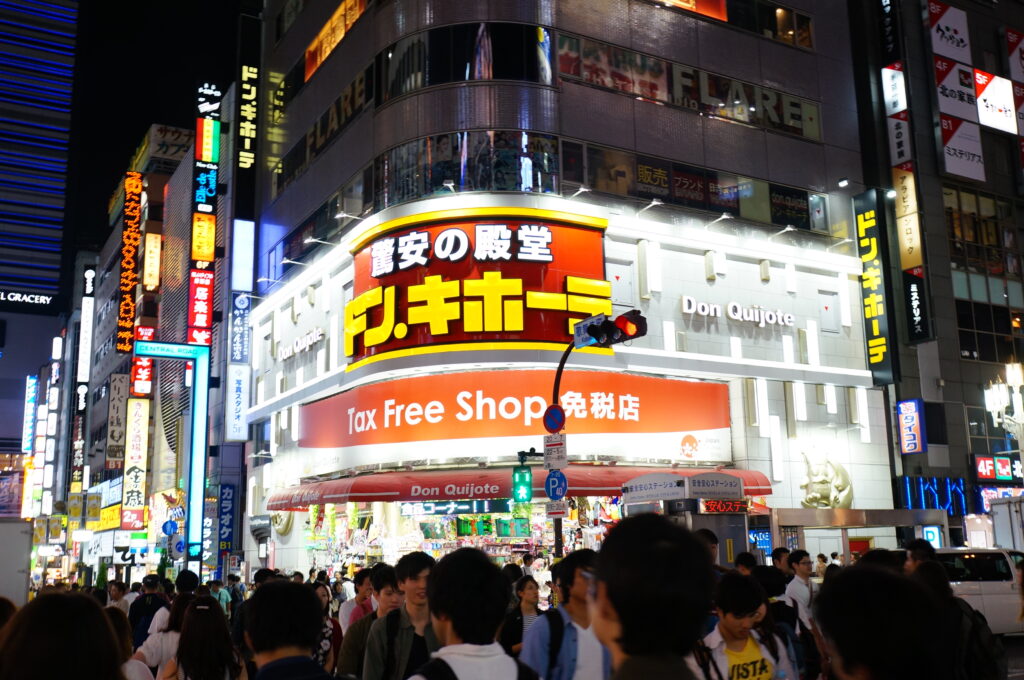
For instance, a Don Quijote store in Shibuya, Tokyo, observed crowds queuing for over half an hour for tax discounts.
Tourists expressed mixed feelings, with some viewing the discount as a “bonus” while others from countries with higher living costs emphasized its impact on affordability.
Tourists from East Asian neighbors like mainland China, Hong Kong, Taiwan, and South Korea are reported to outspend American and European visitors on shopping.
Last year, department stores reported an 86% increase in tax-free revenues compared to 2023, totaling over ¥640 billion, approximately 11% of their overall revenues.
Foreign tourist spending has become a major contributor to department store revenues, even as domestic consumption has stagnated.
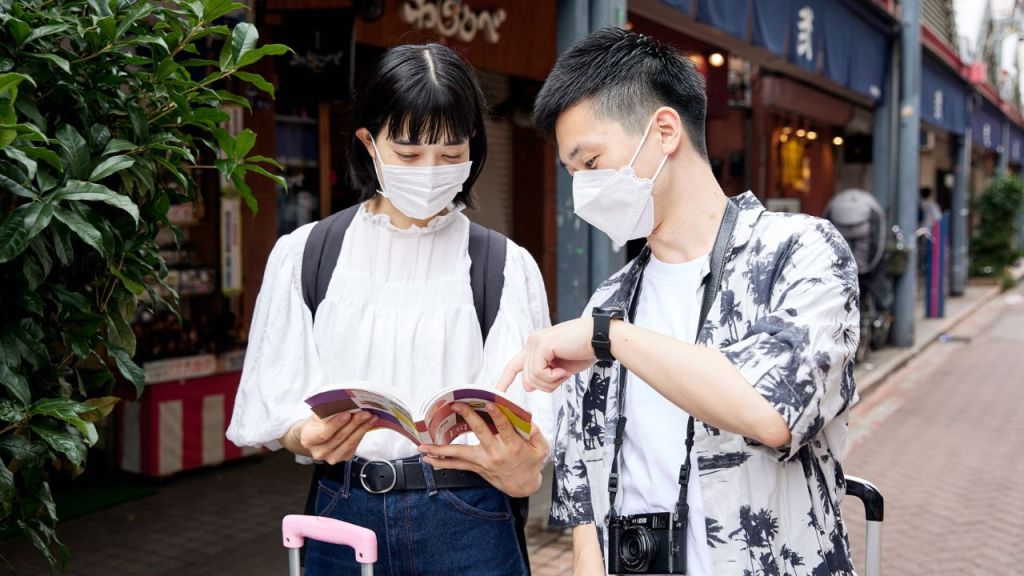
However, Masahiro Ohmoto, vice-chairman of the Japan Tax-Free Shop Association, argues that abolishing the system would primarily benefit state coffers at the expense of retailers.
He stated that “People who won’t shop in Japan will just shop in South Korea,” and confirmed active lobbying efforts to preserve the system.
Addressing Loopholes and System Abuse
Japan’s tax-free shopping system has undergone numerous changes since its introduction in 1952, with significant expansions and simplifications in 2014 to boost tourism appeal.
Currently, tax exemption occurs at the point of purchase, with retailers verifying visa statuses and inputting details into a digital database accessible by Japan Customs.
Upon departure, travelers are required to present passports to customs agents, who may request to see the tax-free items.
Despite these measures, cases of system abuse, often involving the domestic resale of tax-free items for profit, have reportedly surged.
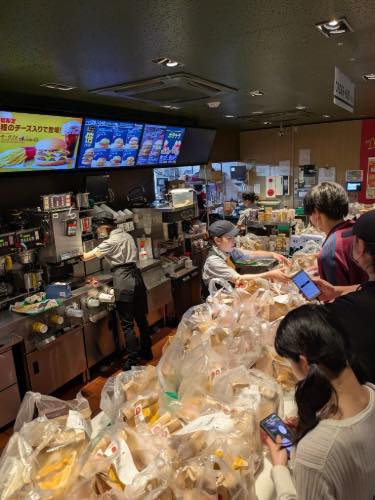
From March 2022 to April 2024, approximately 90% of 690 individuals who spent over ¥100 million on tax-free shopping departed Japan without further checks or penalties, even if their purchases were not presented.
The Board of Audit of Japan identified ¥340 million in uncollected taxes from purchases made by just nine individuals in 2022.
Abusers are employing increasingly sophisticated methods, sometimes involving organized crime, particularly for high-value luxury goods.
Some stores have implemented systems to flag suspicious activities, such as multiple large purchases within a short timeframe.
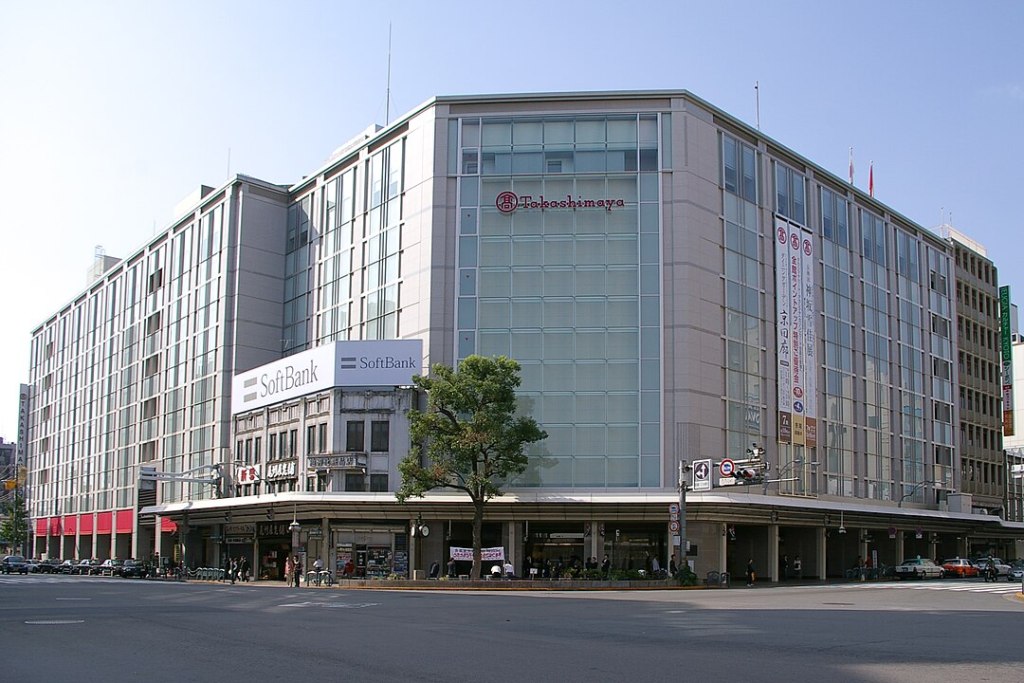
Stores failing to collect consumption tax when required face penalties, exemplified by Takashimaya’s ¥570 million fine in August for non-compliance.
In response to widespread abuse, a legal amendment was passed earlier this year to change the rules from November 2026.
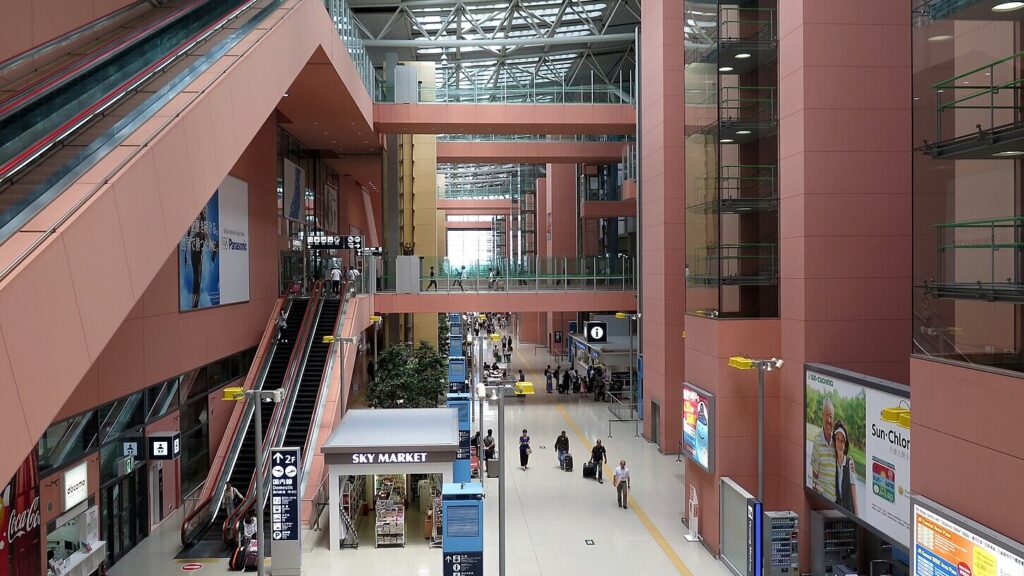
Under the new system, visitors will pay the full price at the time of purchase, and the consumption tax will be refunded after their purchases are verified by customs at their departure point – a system similar to those in Italy and France.
However, concerns have been raised about potential long queues at major airports and increased burdens on customs agencies.
Shumpei Goto, a researcher at the Japan Research Institute, summarized the dilemma: “The tax-free system is essentially a transfer of income from Japanese people to foreigners.
There’s a trade-off – whether to prioritize fairness of the consumption tax and put a strain on airport capacity or sacrifice fairness and keep business as usual.”
Broader Tourism Strategy Implications
The debate over the tax-free system is intertwined with Japan’s broader tourism goals, which aim to welcome 60 million tourists by 2030, positioning the country among the top five most-visited destinations globally.
Proponents argue that with upcoming adjustments, the system will continue to stimulate the economy, especially in rural areas.
However, Ohmoto also noted the discomfort among locals in certain popular destinations, who are grappling with rising prices and the depreciating yen.
“At a time when Japanese people are struggling with the rising cost of living and what they perceive as heavy taxation, some might be frustrated to see foreigners buying cheaply and receiving favorable treatment”, he stated.
Critics also argue that the current tax-free system disproportionately benefits urban retailers of foreign luxury goods rather than the broader local economy.
The LDP group’s proposal stated: “It’s hard to say this system is contributing to regional revitalization or creating employment opportunities”.
The discussions ultimately contribute to a larger conversation about redesigning Japan’s tourism strategy to achieve a balance between economic interests and the well-being of its residents.
Nakanishi concluded, “It’s about what we’re aiming for when we say we want to become a tourist hub”.
Source: SCMP

If you enjoyed this article, you can see more from us directly in your Google feed by adding us as a preferred source.
This post may contain affiliate links, and Essential Japan may earn a commission if you purchase through them.