
Japanese Prefecture Introduces Cash Reward for Reporting Illegal Foreign Workers
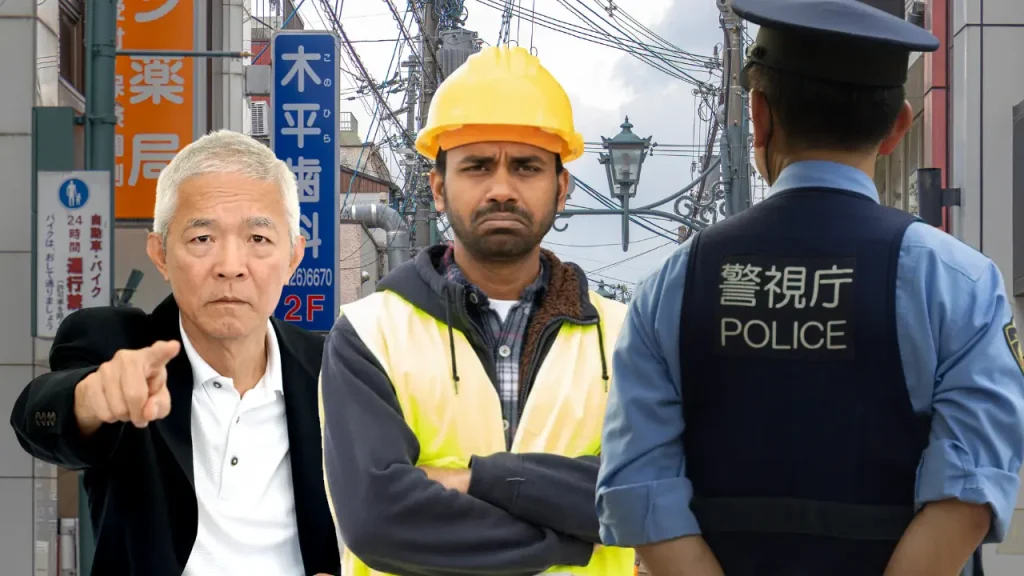
Japan’s Ibaraki Prefecture has officially announced the implementation of a new reporting program targeting the employment of undocumented foreign workers.
The local government located northeast of Tokyo will begin operating a controversial reward system starting on Monday, May 11, 2026.
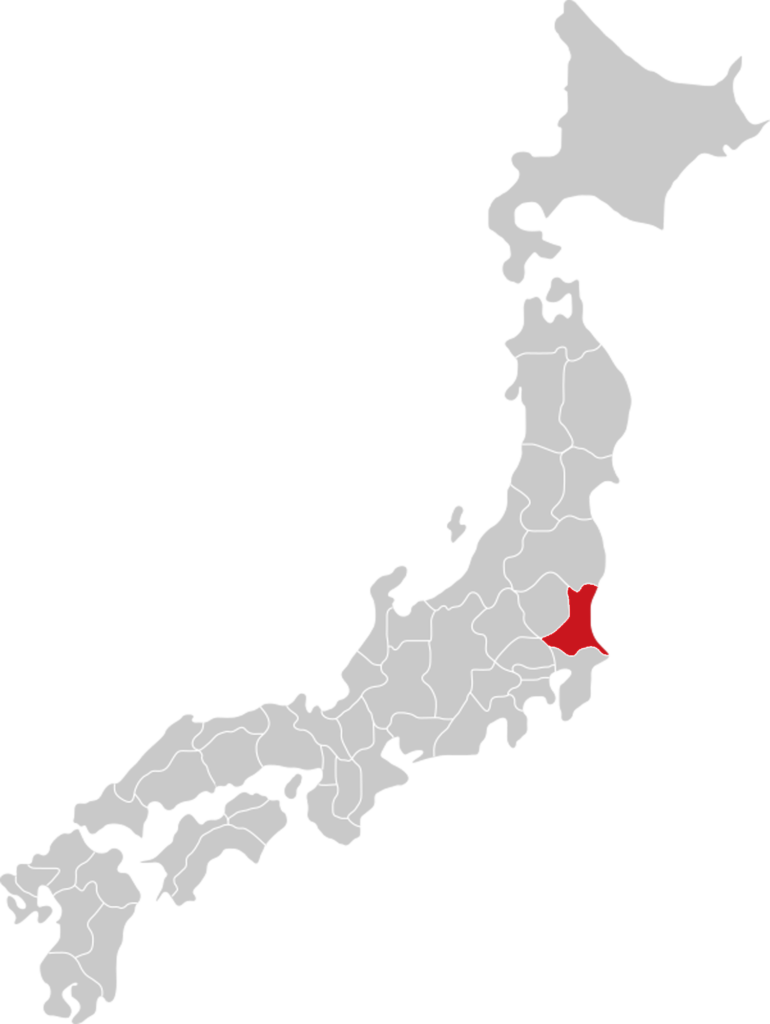
According to official figures from the Immigration Services Agency, Ibaraki recorded the highest number of undocumented foreign laborers among Japan’s 47 prefectures in 2024.
With over 3,400 cases identified during that period, the region has maintained this top position for the third consecutive year.
A significant portion of the region’s undocumented labor force is currently concentrated within the local agricultural industry.
The new policy specifically targets businesses and employers who unlawfully hire individuals without proper visa status or work authorization.
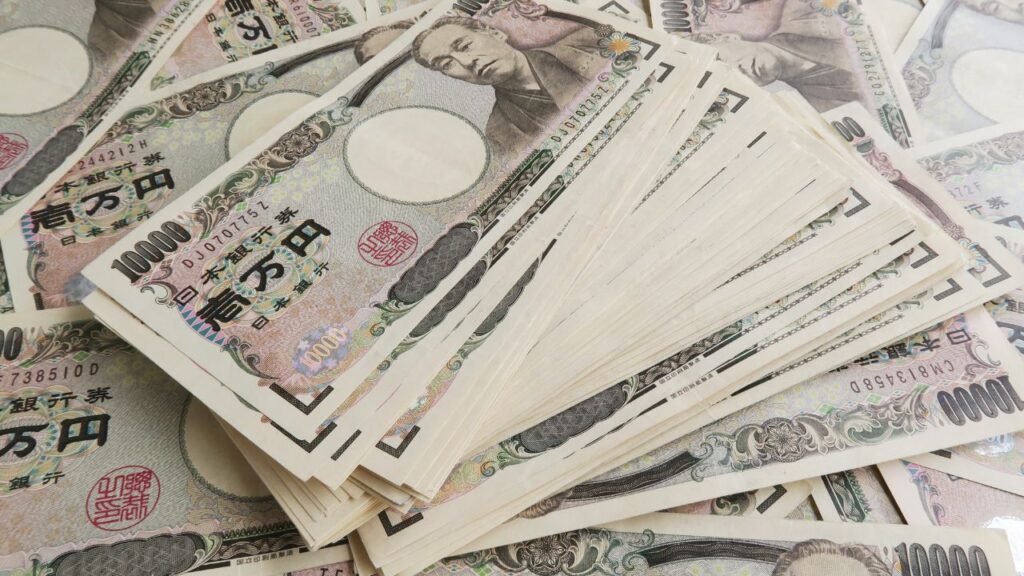
The prefectural government will offer a cash reward of 10,000 yen (approx. $63 USD / £50 GBP) to individuals who provide actionable information.
This financial incentive will be paid out only if the submitted tip leads authorities to officially open a case or make an arrest.
Tipsters must submit their reports directly through the official prefectural website.
The system requires informants to provide accurate personal details, including their full name, address, and a valid phone number.

Users must also upload a digital copy of a formal identification document, such as a driver’s license, to submit a valid report.
Officials plan to issue strict guidelines to prevent misuse, emphasizing that reports must not be based solely on an individual’s nationality or physical appearance.

The initiative has drawn significant criticism since its initial proposal in February.
The local bar association and various civic groups supporting foreign residents have urged the government to retract the plan entirely.

Critics argue that incentivizing citizens to report on local businesses and workers risks fostering xenophobia, discrimination, and deep social division within the community.
Governor Kazuhiko Oigawa defended the measure during a recent press conference, stating that the system is designed to correct illegal acts and prevent the exploitation of vulnerable laborers.

If you enjoyed this article, you can see more from us directly in your Google feed by adding us as a preferred source.
This post may contain affiliate links, and Essential Japan may earn a commission if you purchase through them.