
Japan Hits Tourists With Fivefold Visa Fee Hike in First Increase in Nearly 50 Years

Japan is preparing to significantly increase visa charges for the first time in nearly 50 years as the government looks to manage the growing cost of its immigration system.
The planned revision will make tourist visas substantially more expensive for many foreign visitors, with most affected travellers set to face fees five times higher than before.
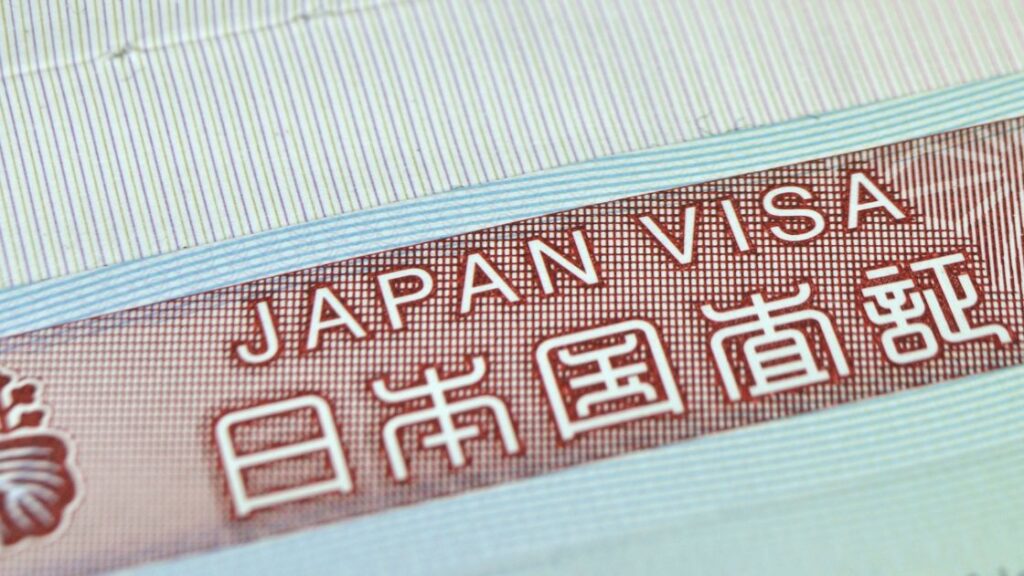
The change was approved during a government cabinet meeting on June 19, 2026, and is scheduled to take effect on July 1, 2026.
It marks the first adjustment to Japan’s visa fee structure since 1978.
The new charges will mainly affect tourists and business travellers from countries whose citizens must obtain a visa before entering Japan.
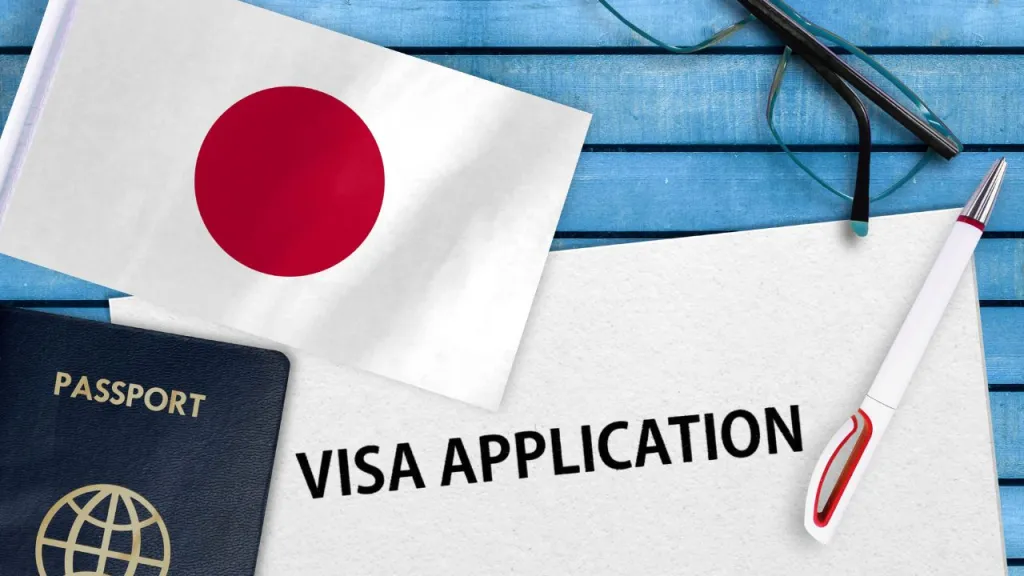
Under the revised system, the cost of a single-entry visa will rise from ¥3,000 (approx. $21 USD/ £16 GBP) to ¥15,000 (approx. $104 USD/ £82 GBP).
A multiple-entry visa, which allows repeated visits to Japan during a designated period, will increase from ¥6,000 (approx. $41 USD/ £33 GBP) to ¥30,000 (approx. $207 USD/ £164 GBP).
Japanese officials have said the increases reflect almost five decades of inflation as well as significant shifts in exchange rates since the current fee system was introduced.
Foreign Minister Toshimitsu Motegi said the government reviewed the charges because the previous fee levels no longer matched the real administrative cost of issuing visas and handling immigration procedures.
The government has argued that Japan’s fees will remain broadly comparable with immigration charges in several Western countries even after the increase.
Officials have pointed to countries such as the United States and Germany as examples of systems where visa and immigration-related fees have historically been far higher than those charged by Japan.

Tokyo does not expect the higher tourist visa fees to cause a major drop in inbound travel demand.
Japan has seen record growth in international visitor numbers in recent years, supported by a weaker yen and continued global interest in destinations such as Tokyo, Kyoto, and Osaka.
Officials believe that demand for travel to Japan will remain resilient despite the increased cost for visa-required visitors.

The tourist visa rise forms only one part of a wider immigration reform programme now being advanced by the Japanese government.
On May 29, 2026, Japan’s upper house approved revisions to the Immigration Control and Refugee Recognition Act, giving the government the power to raise a broader range of immigration-related fees.
The legal maximum for residence-status changes and visa renewals will increase from ¥10,000 (approx. $69 USD/ £55 GBP) to ¥100,000 (approx. $690 USD/ £545 GBP).
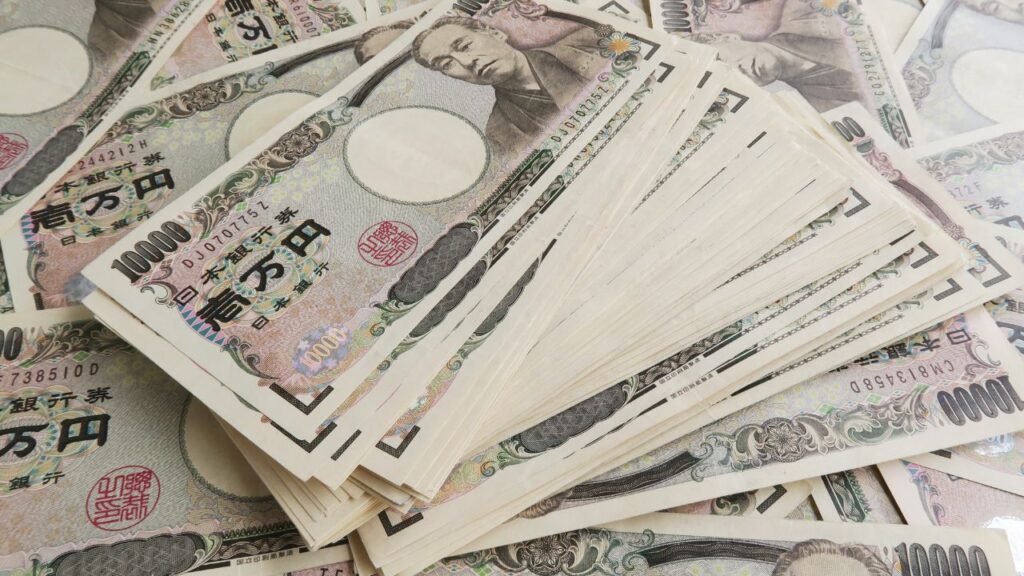
The maximum fee permitted for permanent residency applications will rise even more sharply, moving from ¥10,000 (approx. $69 USD/ £55 GBP) to ¥300,000 (approx. $2,070 USD/ £1,635 GBP).
The exact amounts applicants will pay are expected to be determined later through Cabinet orders and public consultation procedures.
Current government proposals indicate that long-term foreign residents could eventually pay between ¥10,000 (approx. $69 USD/ £55 GBP) and ¥70,000 (approx. $483 USD/ £382 GBP), depending on the length of their status renewal.

Permanent residency applicants could face a fee of ¥200,000 (approx. $1,380 USD/ £1,090 GBP), compared with the current ¥10,000 (approx. $69 USD/ £55 GBP) charge.
These broader immigration fee changes are expected to be introduced before the end of Japan’s 2026 fiscal year on March 31, 2027.
Japanese authorities say the additional revenue will help support the administration of the country’s rapidly growing foreign population.
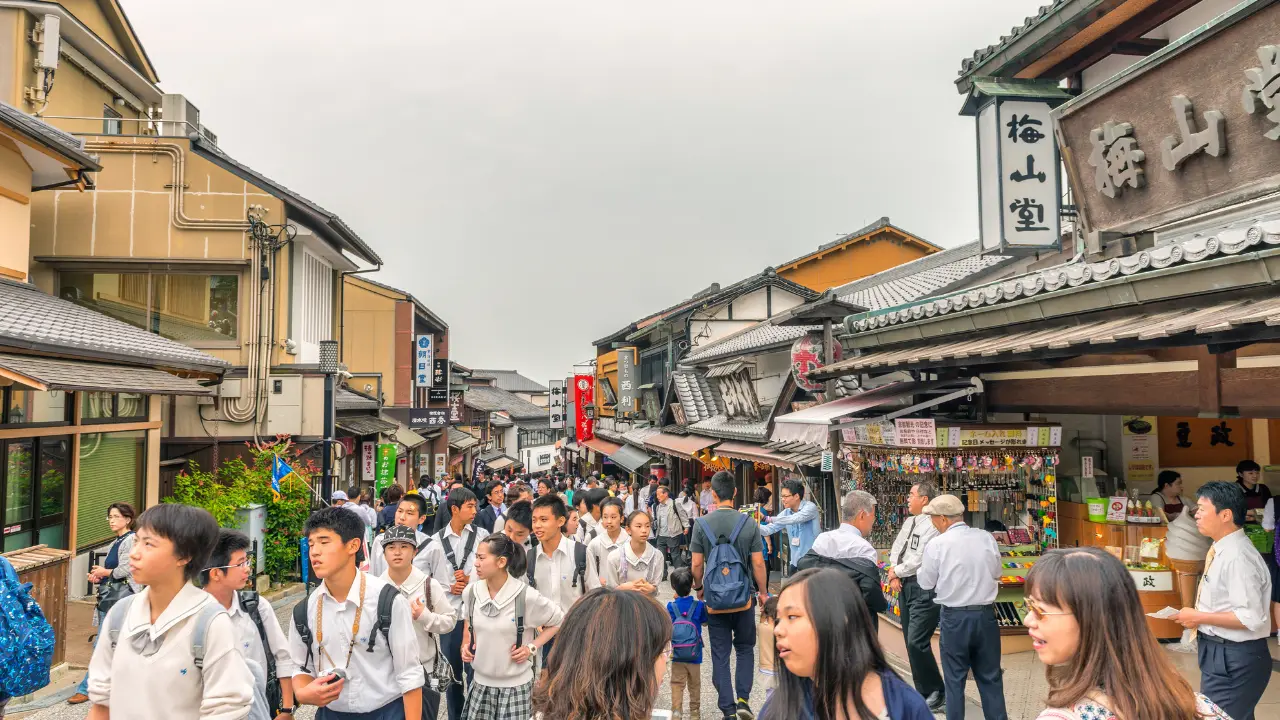
The number of foreign residents in Japan reached a record 4.13 million at the end of 2025, increasing pressure on immigration services.
Officials say more staff, technology, and infrastructure are needed to process applications and manage the rising demand placed on the system.
Part of the funding generated by the higher fees is expected to support Japanese-language education programmes for foreign residents.
The government also plans to strengthen measures against illegal overstaying and improve the systems used to monitor immigration status and process applications.
The reform package additionally establishes a new online travel authorisation programme called the Japan Electronic System for Travel Authorization, or JESTA.
The system is expected to operate in a similar way to electronic travel authorisation programmes already used by countries such as the United States and the United Kingdom.
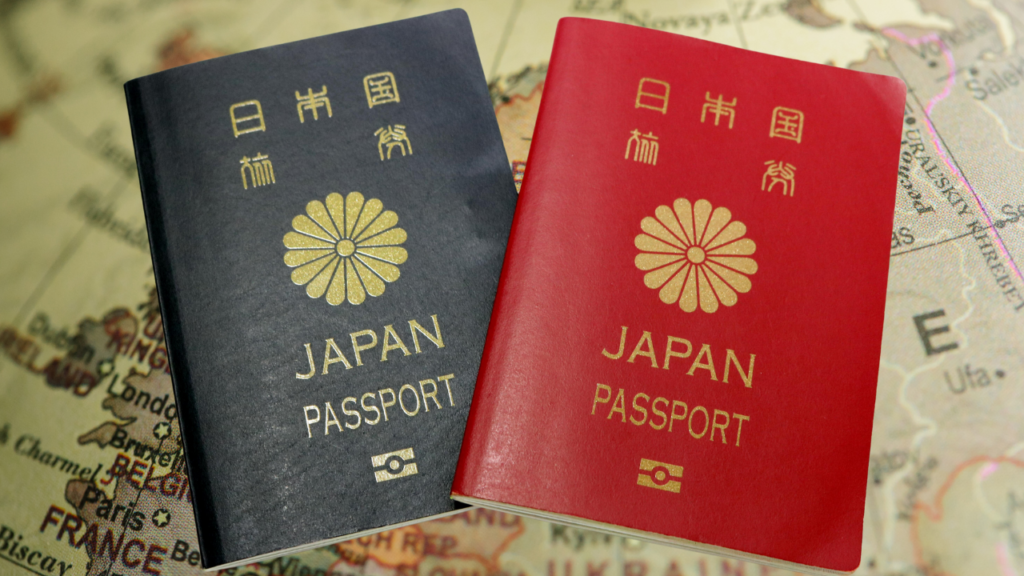
JESTA is scheduled to launch in fiscal 2028 and will apply to travellers from visa-exempt countries and territories.
Under the programme, visitors from 74 visa-waiver countries and territories will be required to submit information before departure, including identity details, travel purpose, and destination information.
Japanese authorities will screen those details against immigration and criminal databases before travellers board aircraft or ships bound for Japan.
Travellers judged to present a high risk of overstaying may be refused permission to board before reaching Japan.

If you enjoyed this article, you can see more from us directly in your Google feed by adding us as a preferred source.
This post may contain affiliate links, and Essential Japan may earn a commission if you purchase through them.