Princess Mononoke Officially Moves Closer to Becoming Studio Ghibli’s First-Ever LEGO Set
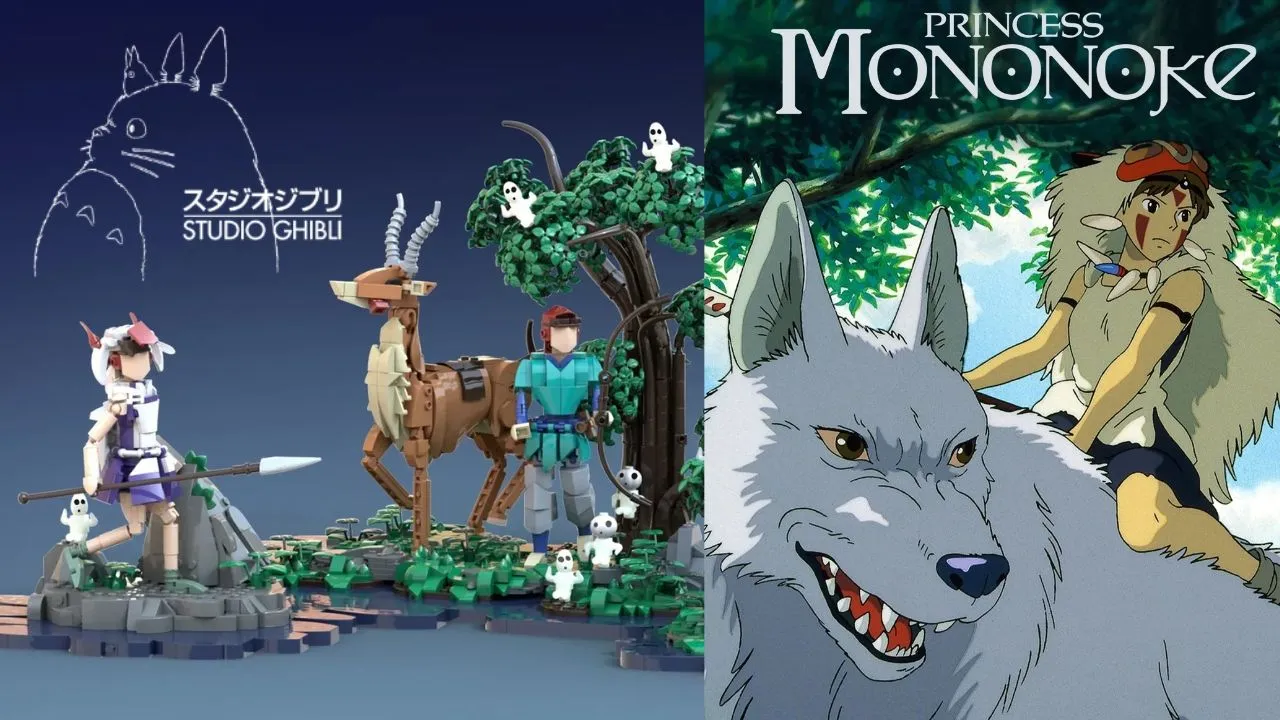 Image by James Richardson
A fan-designed Princess Mononoke LEGO build has reached the 10,000 supporters needed to enter LEGO’s official review process, giving Studio Ghibli another opportunity to receive its first commercially released LEGO set.
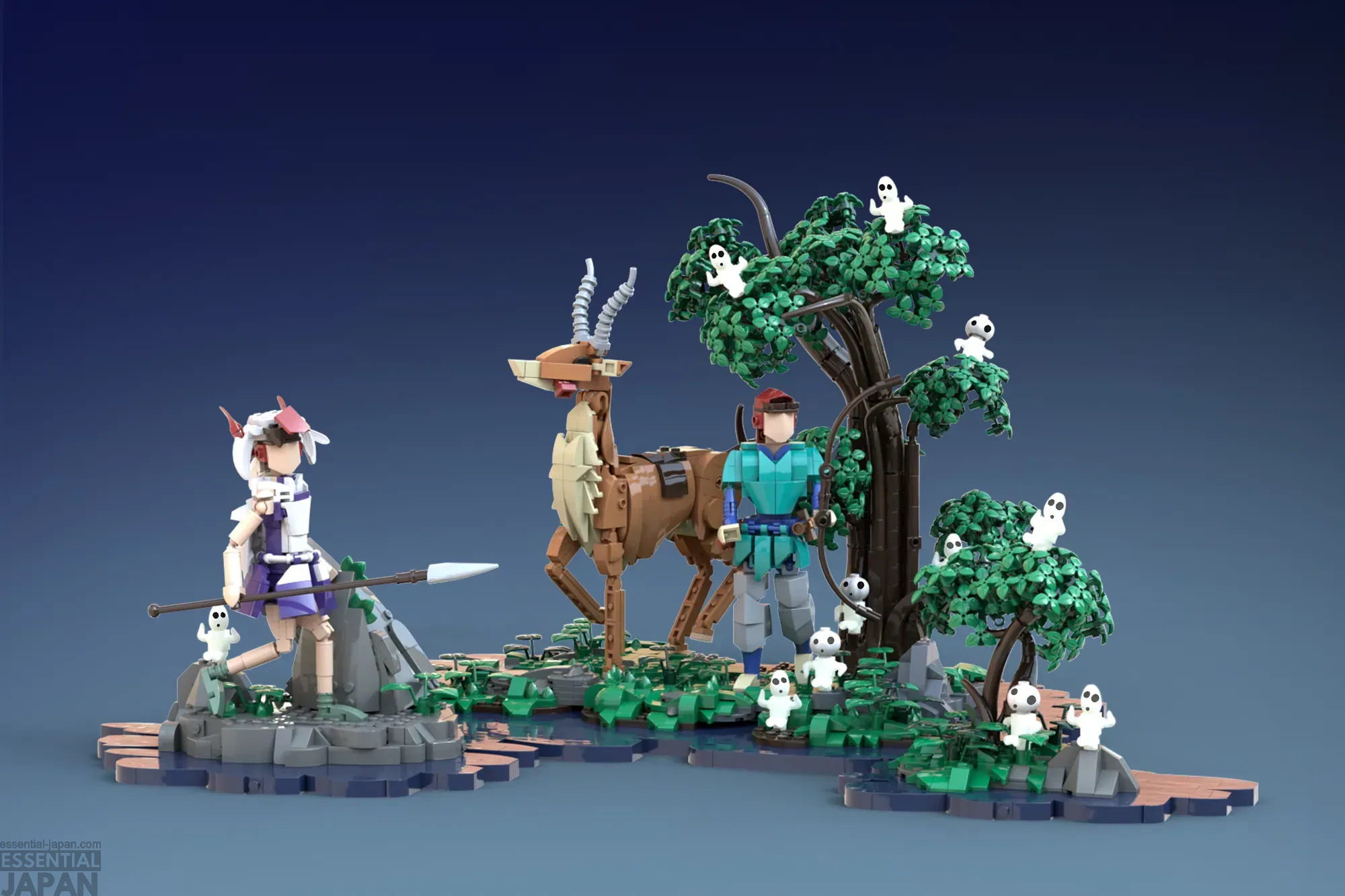
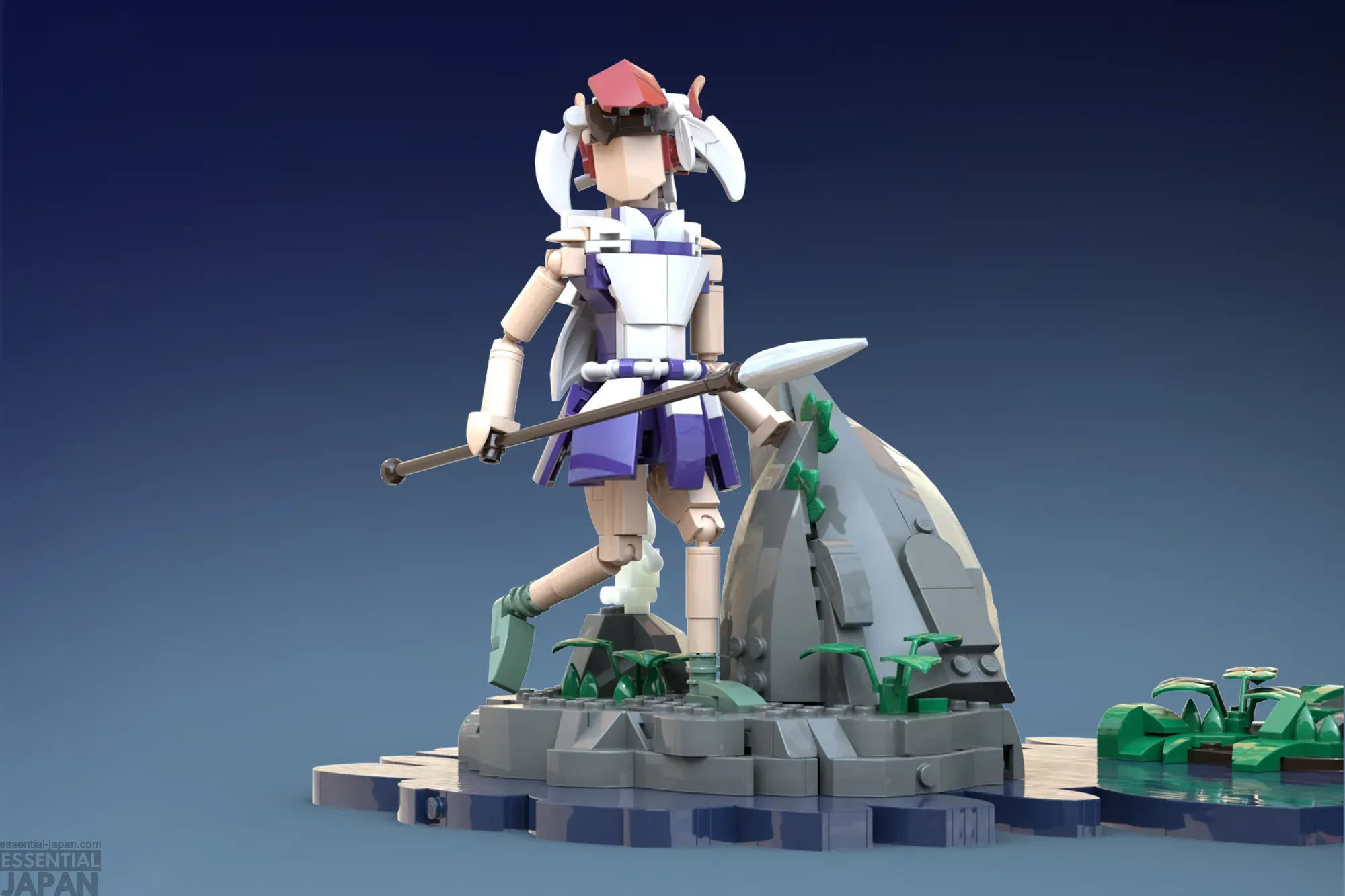
The “Princess Mononoké – The Forest of Spirits” project by LEGO Ideas creator Briquette recreates one of the movie’s forest environments with brick-built versions of San, Ashitaka and Yakkuru surrounded by trees, rocks, water and the mysterious Kodama.
Released in 1997 and directed by Hayao Miyazaki, Princess Mononoke follows Ashitaka after a curse sends him west in search of a cure, eventually drawing him into the conflict between the inhabitants of Iron Town and the gods and creatures protecting the surrounding forest.
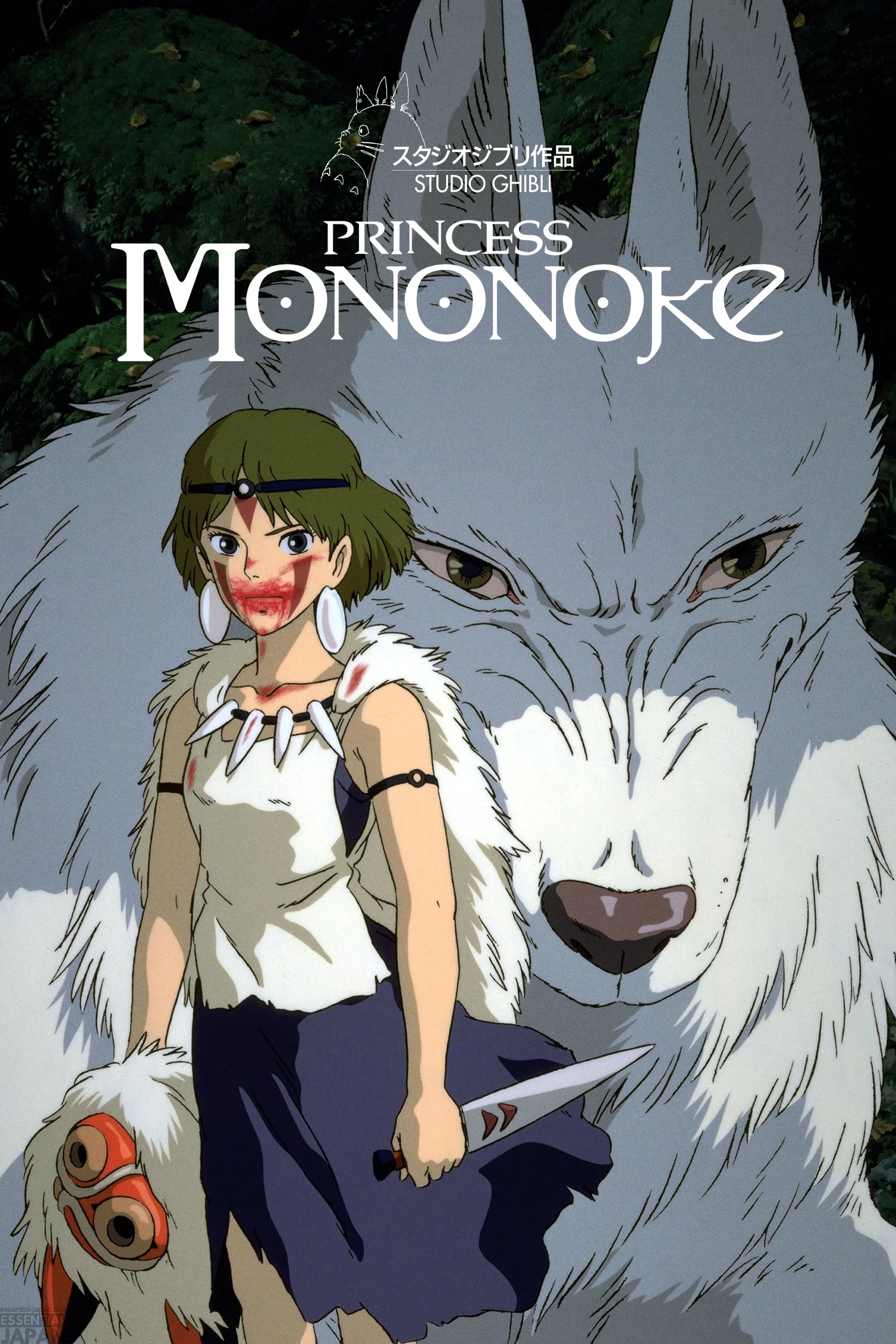
San stands at the center of that conflict after being raised by the wolf goddess Moro, while Ashitaka attempts to understand both sides without simply treating either humanity or nature as the enemy.
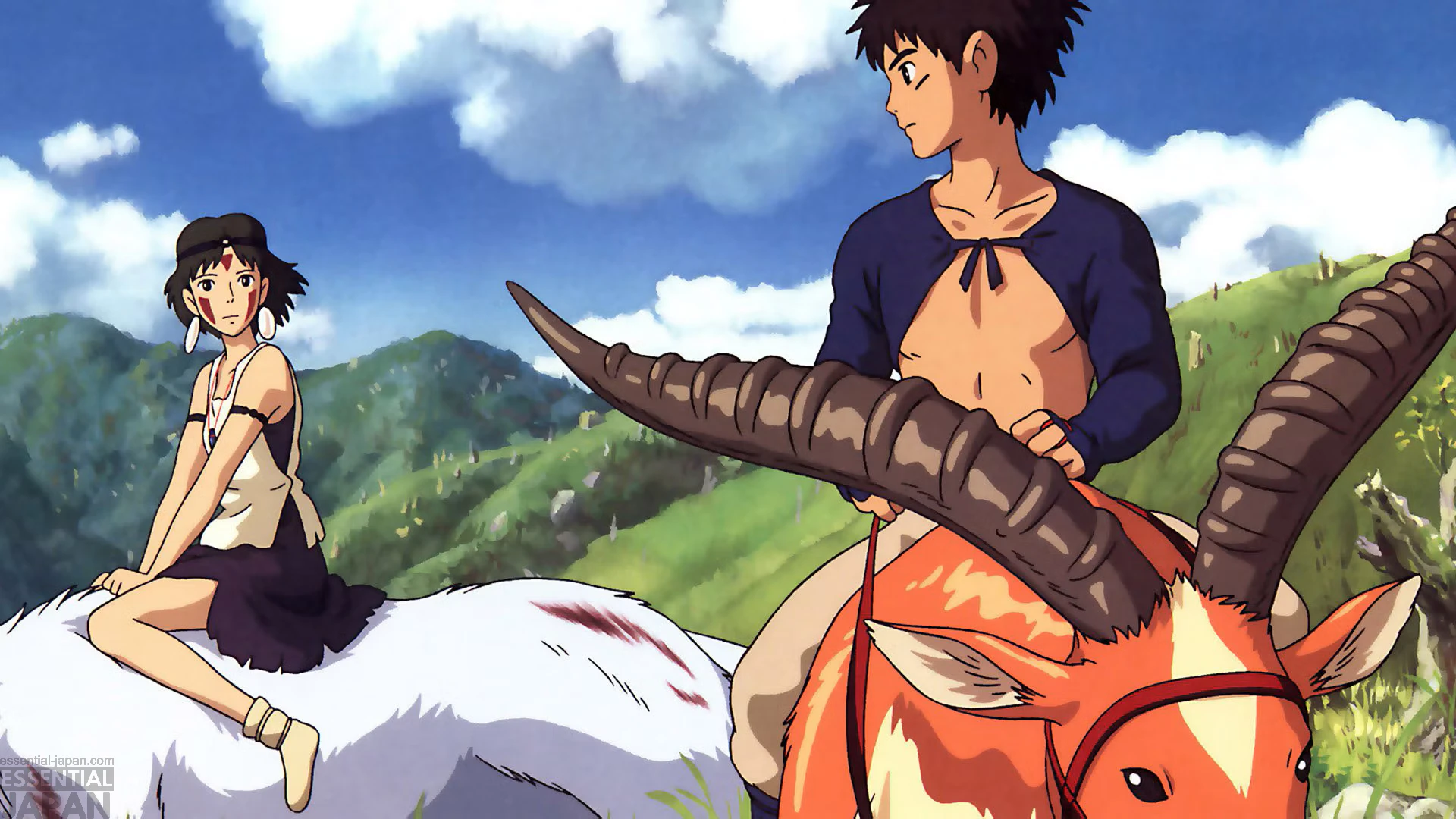
Briquette’s LEGO Ideas project translates that relationship with the natural world into a large forest diorama using approximately 2,550 pieces.
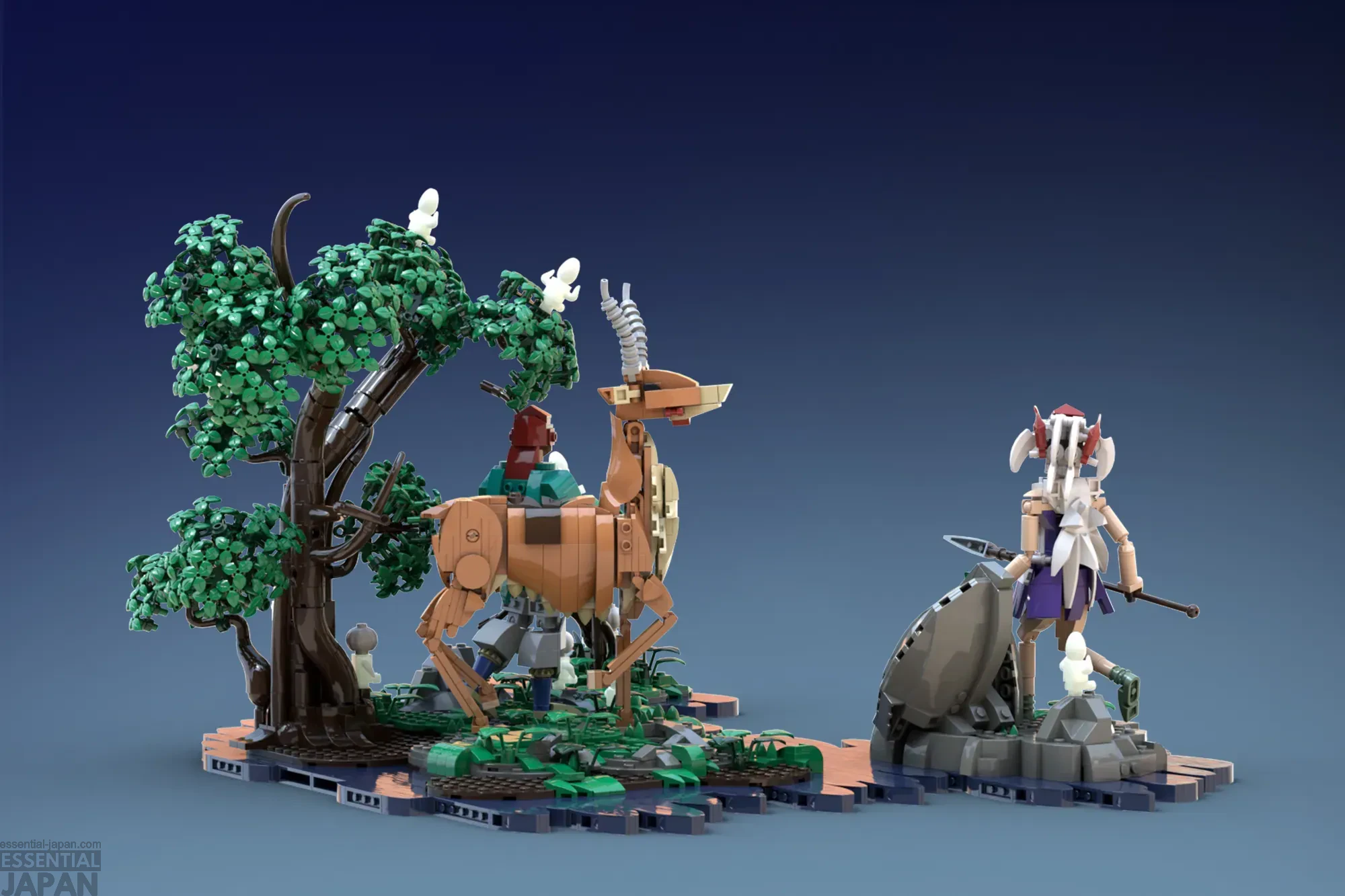
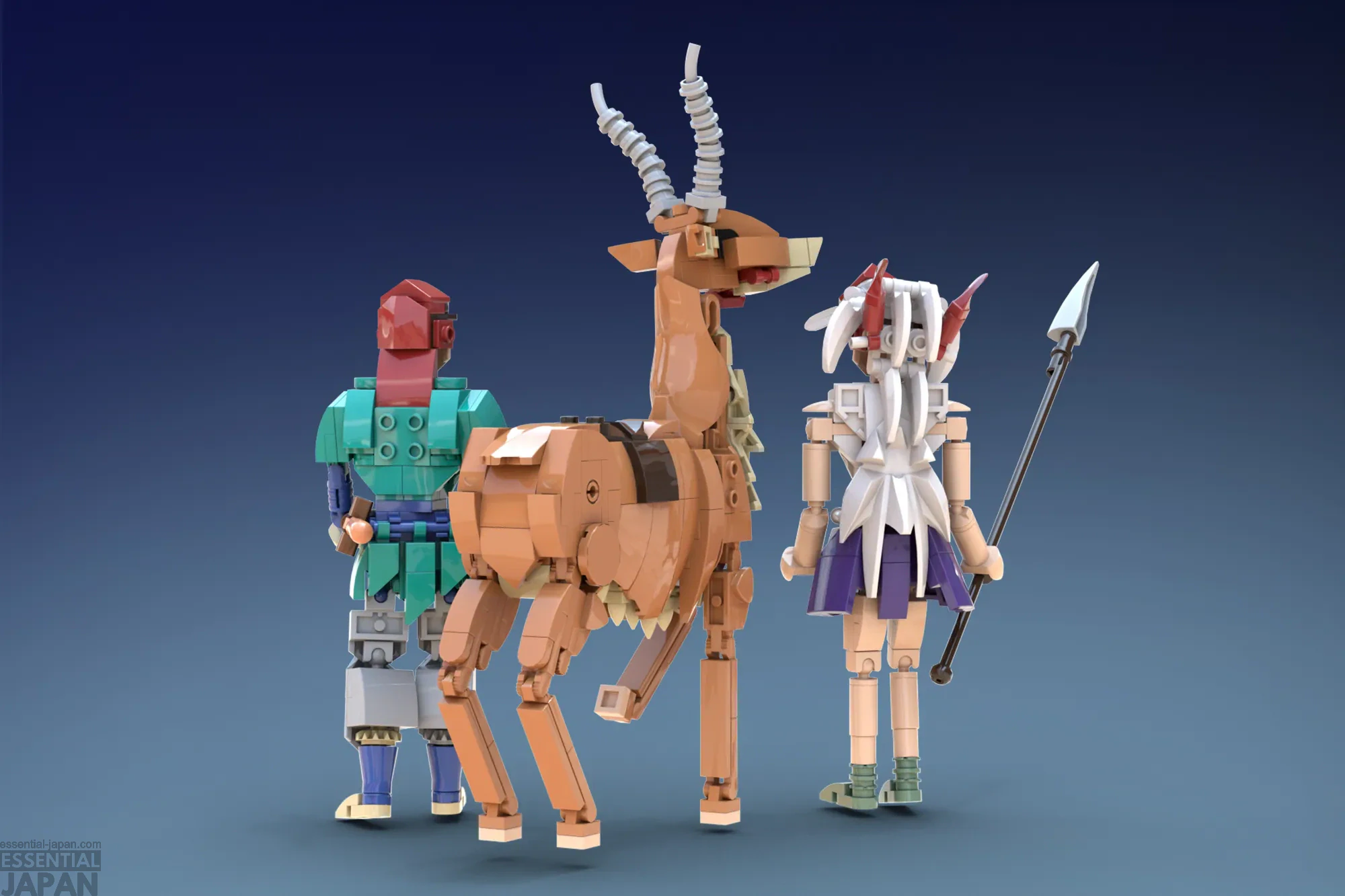
Instead of representing San and Ashitaka as conventional LEGO minifigures, the design builds both characters from bricks with articulated limbs, giving them proportions that better match the surrounding environment and allowing their poses to be changed.
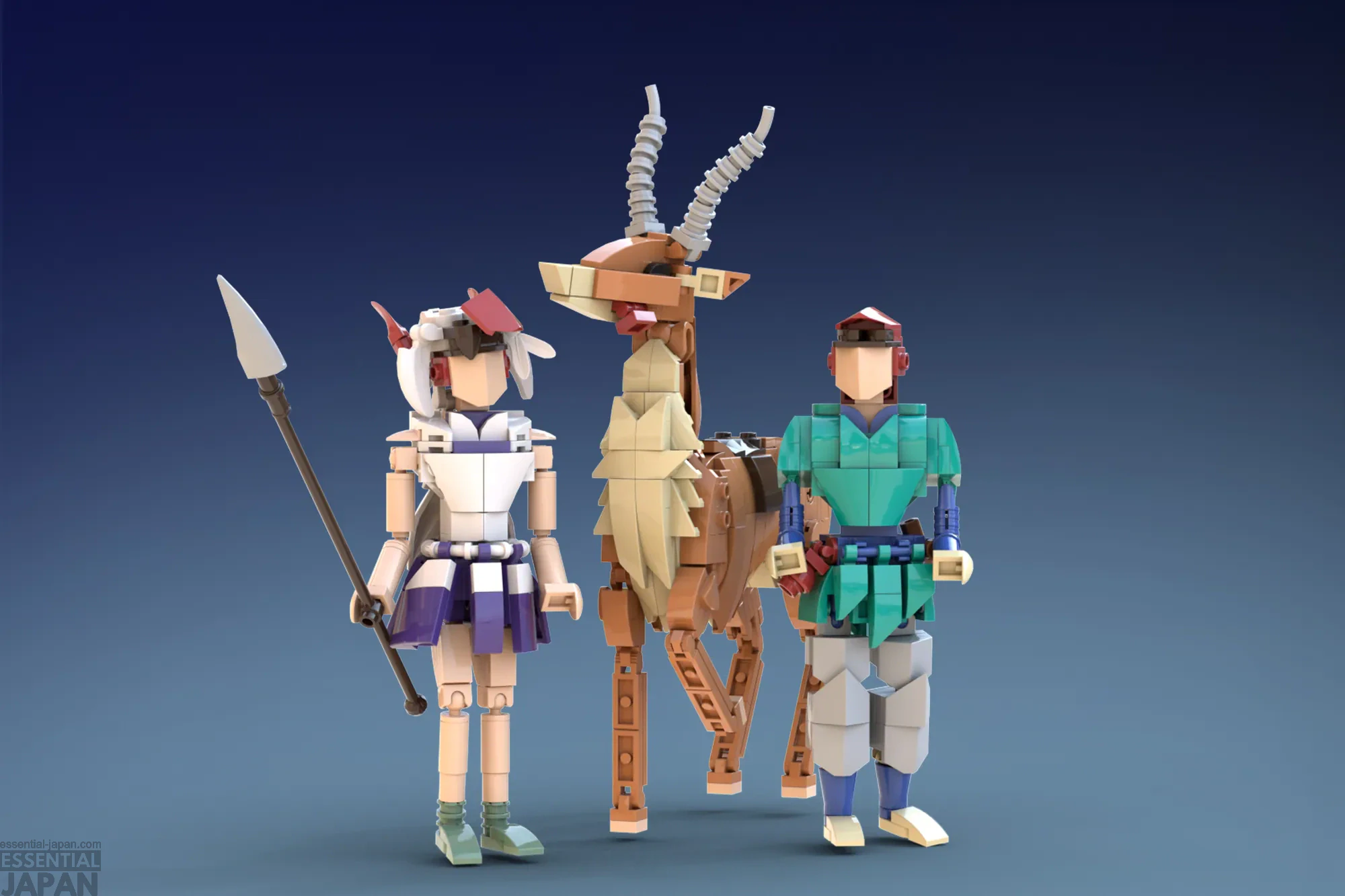
Yakkuru is similarly constructed as a larger brick-built figure, allowing Ashitaka to be displayed alongside or riding his loyal red elk companion.
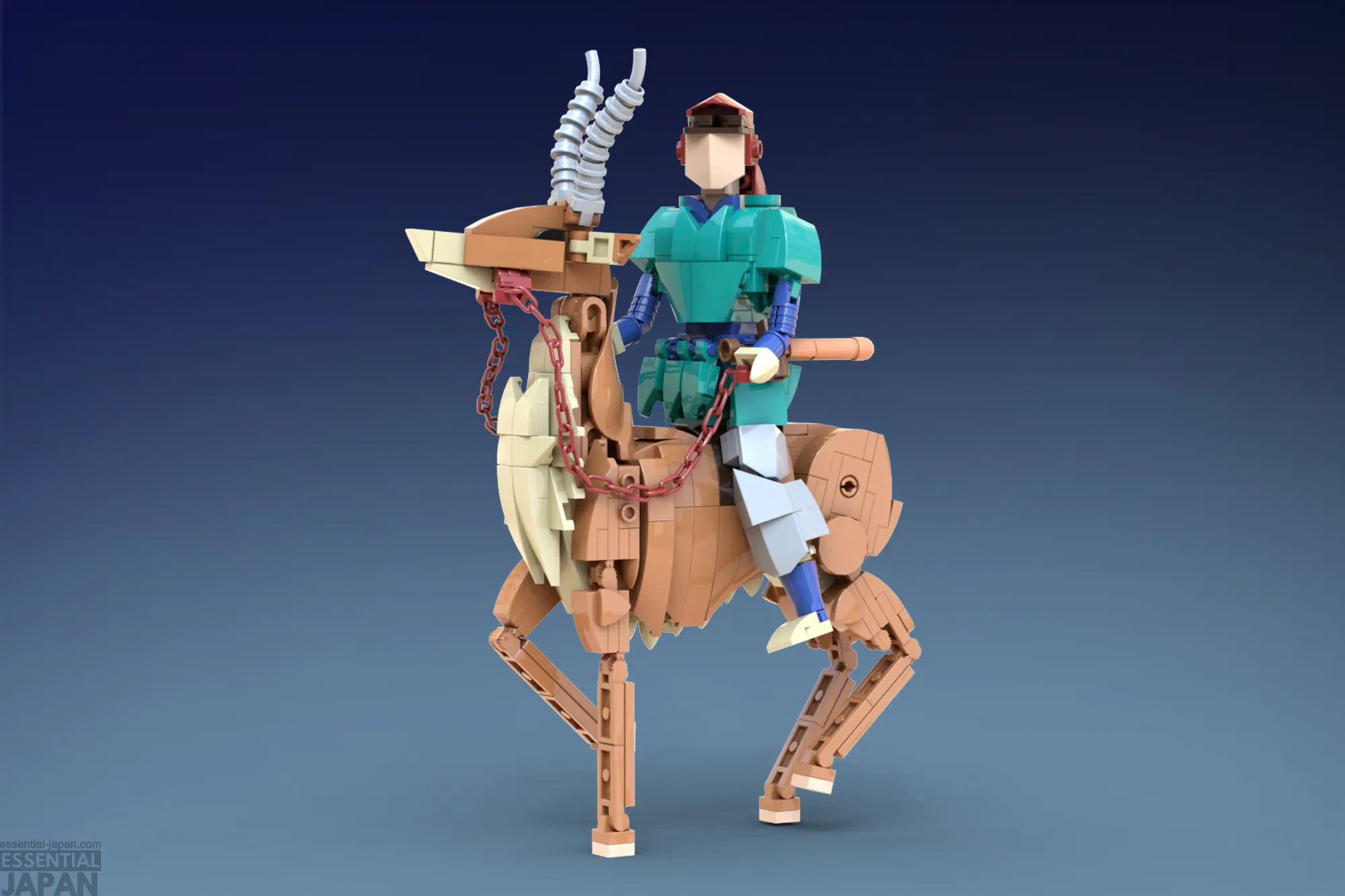
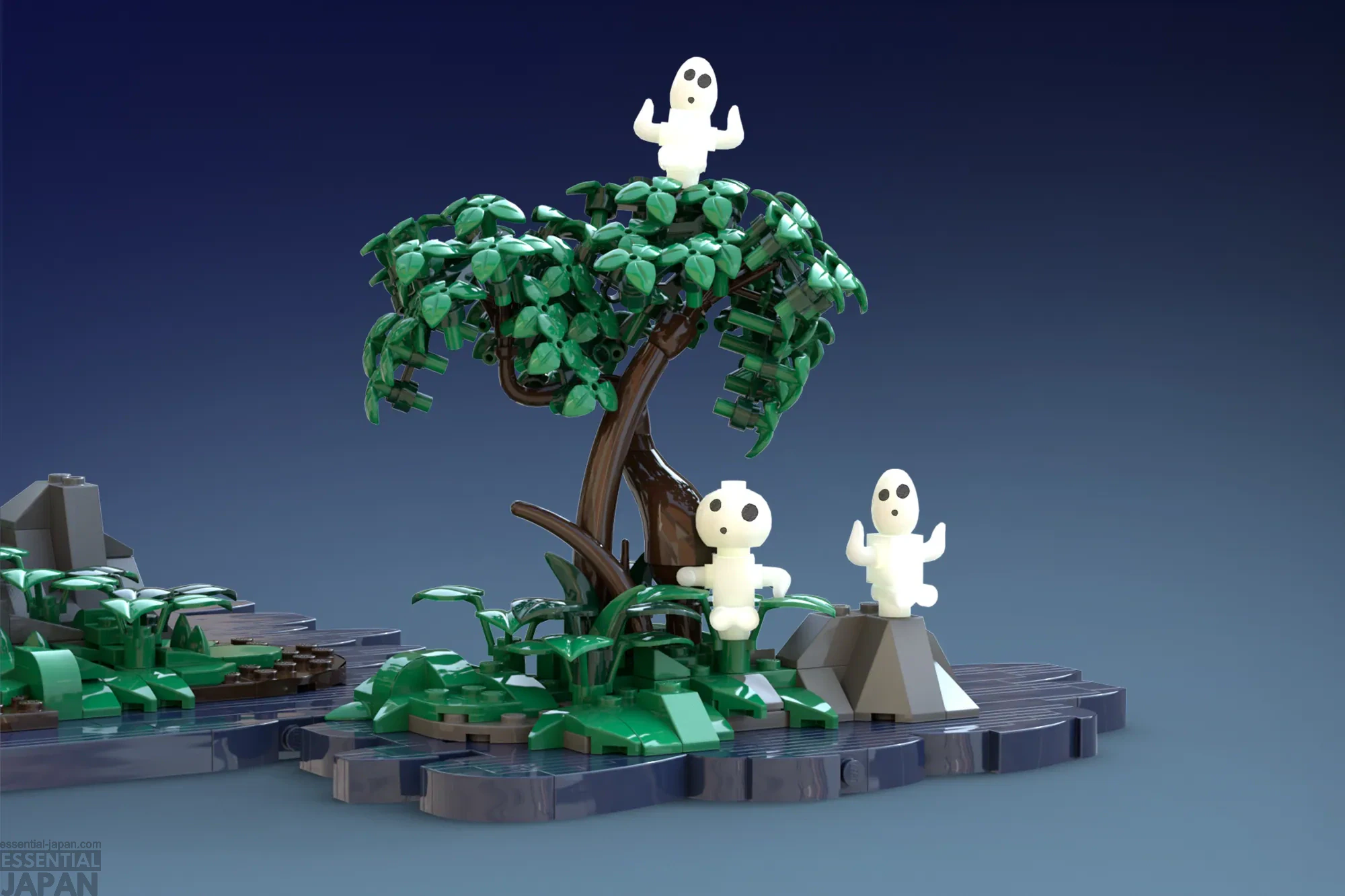
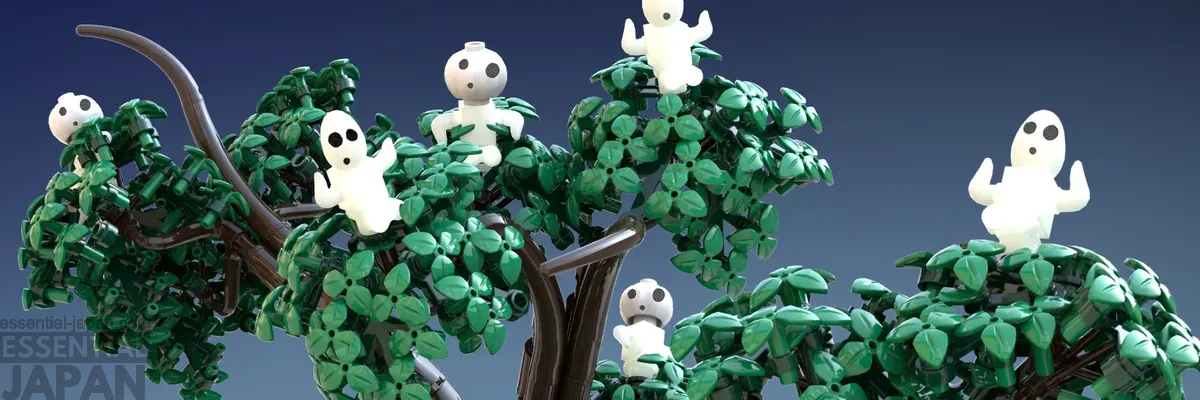
The surrounding forest uses dense vegetation, moss-covered rocks, trees and a small section of water to recreate the setting through which the characters travel, while smaller Kodama are hidden throughout the scenery.
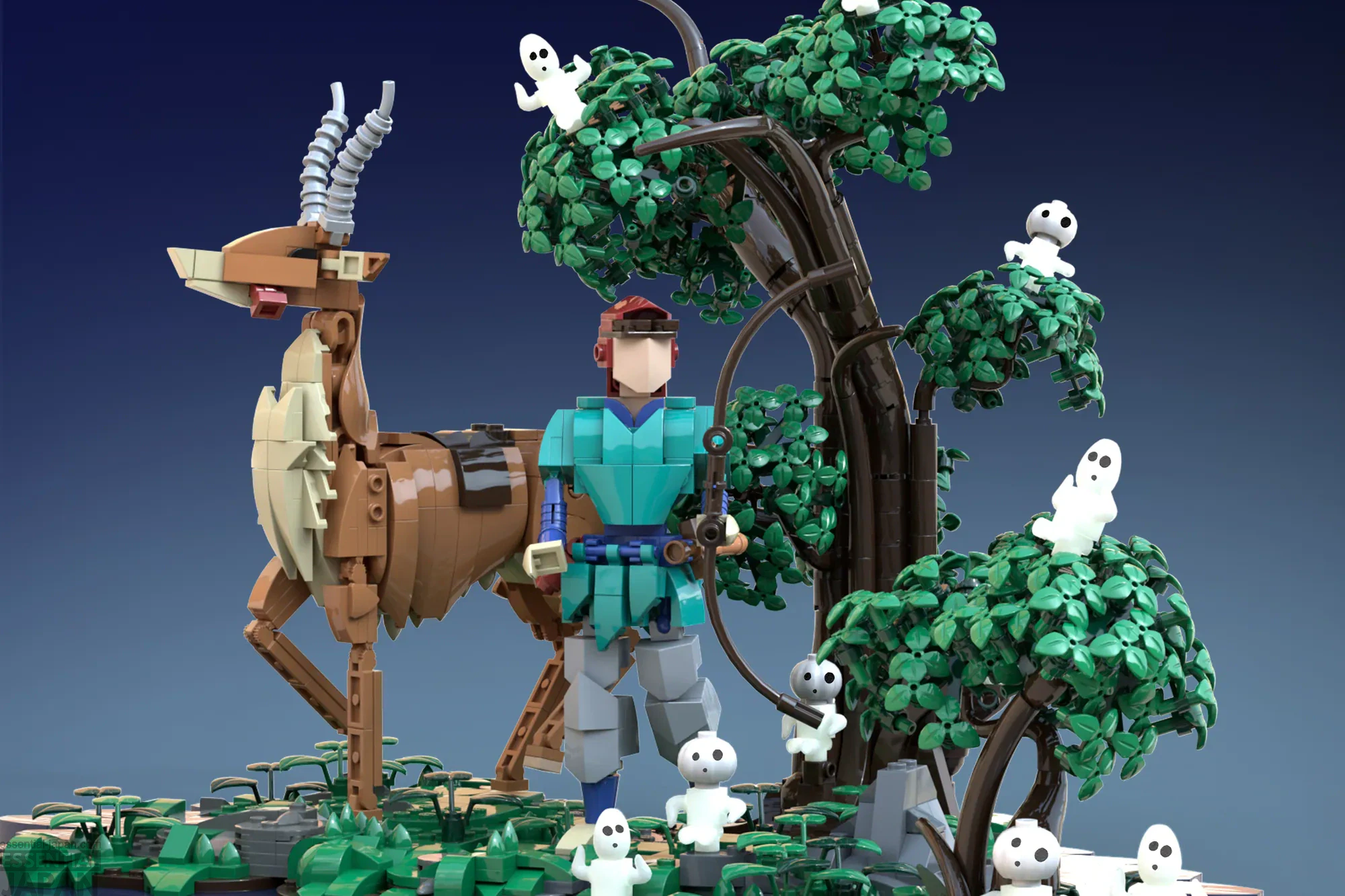
Some of those forest spirits incorporate glow-in-the-dark elements, reflecting the pale creatures that quietly appear throughout the movie’s ancient woodland.
The project was also expanded during its campaign to include Moro, adding San’s enormous adoptive wolf mother to a scene already heavily focused on the relationship between the film’s human and animal characters.
Reaching 10,000 supporters is the key qualification point for LEGO Ideas, a platform that allows fans to submit their own original builds for the possibility of becoming commercially released LEGO sets.
Once a submission reaches that total, LEGO moves it into a formal review alongside other qualifying designs, examining areas including the build itself, potential audience, licensing requirements and whether the concept can realistically be turned into a retail set.
The milestone does not mean that LEGO has approved Princess Mononoke for production, and Studio Ghibli projects have reached this stage before without ultimately becoming official sets.
Another major Studio Ghibli project entered the same review only days earlier, when a nearly 5,000-piece recreation of Howl’s Moving Castle also reached 10,000 supporters and qualified for LEGO’s third review period of 2026.
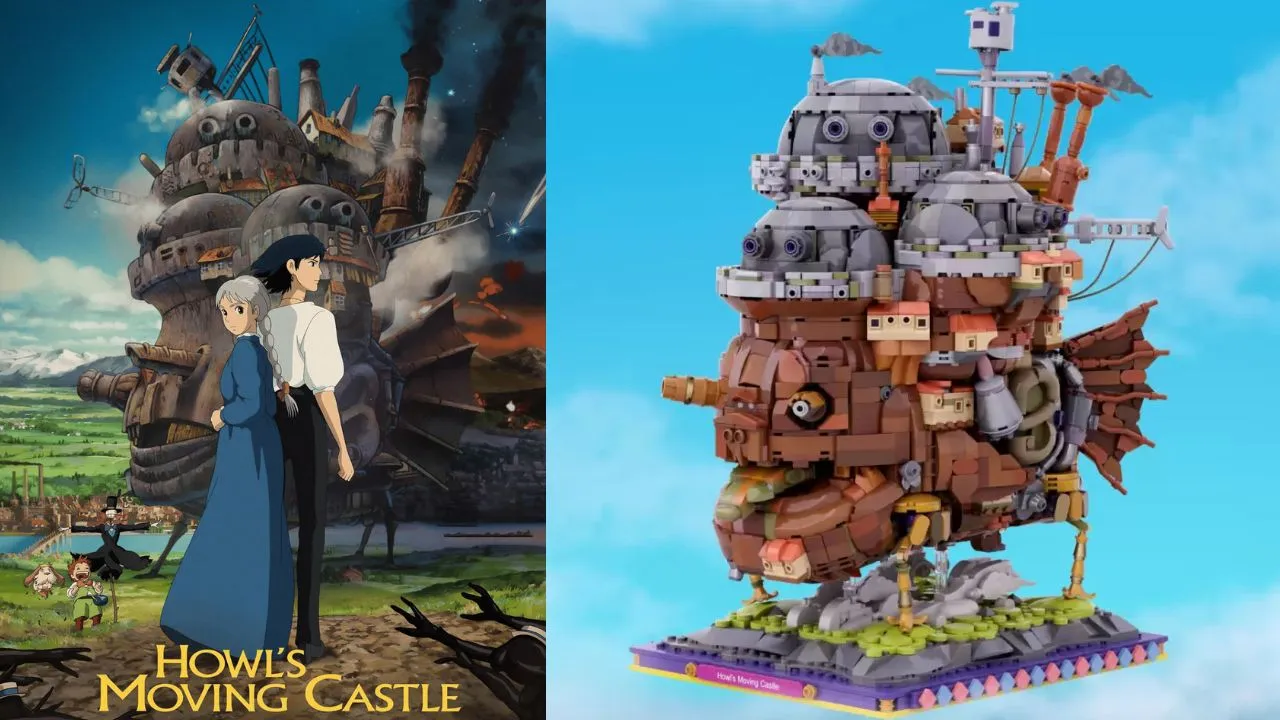 Image by James Richardson
A separate fan project based specifically on Princess Mononoke’s Kodama has also already qualified for the same review, meaning LEGO will be considering two different interpretations of Miyazaki’s 1997 movie alongside the Howl’s Moving Castle submission.
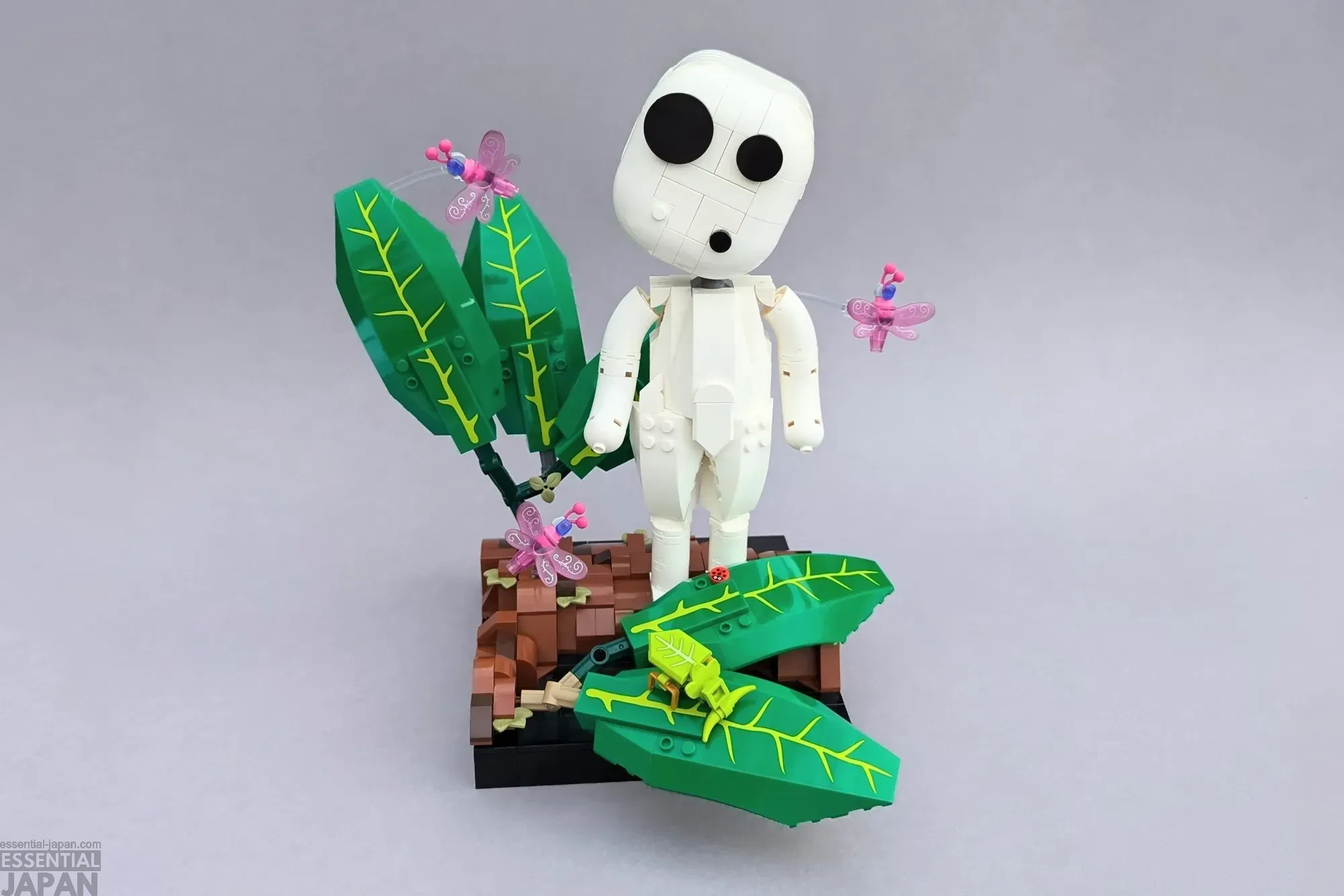
Studio Ghibli has yet to receive an officially produced LEGO set despite repeated fan interest, with earlier builds based on movies including My Neighbor Totoro, Spirited Away and Howl’s Moving Castle previously reaching the 10,000-supporter milestone before being rejected during later reviews.

That makes the current review another significant opportunity for the studio, particularly with several Ghibli-inspired projects reaching LEGO’s required support threshold during the same period.
“Princess Mononoké – The Forest of Spirits” reached 10,000 supporters on October 31, 2026 and has now entered LEGO Ideas’ third 2026 review alongside dozens of other fan submissions.
LEGO has not confirmed that the project will become an official set, with its future now depending on the results of the review and any licensing agreement that would be required with Studio Ghibli.

If you enjoyed this article, you can see more from us directly in your Google feed by adding us as a preferred source.

This post may contain affiliate links, and Essential Japan may earn a commission if you purchase through them.