One Piece and Dragon Ball publisher Shueisha accuses AI users of “trampling the dignity of authors”
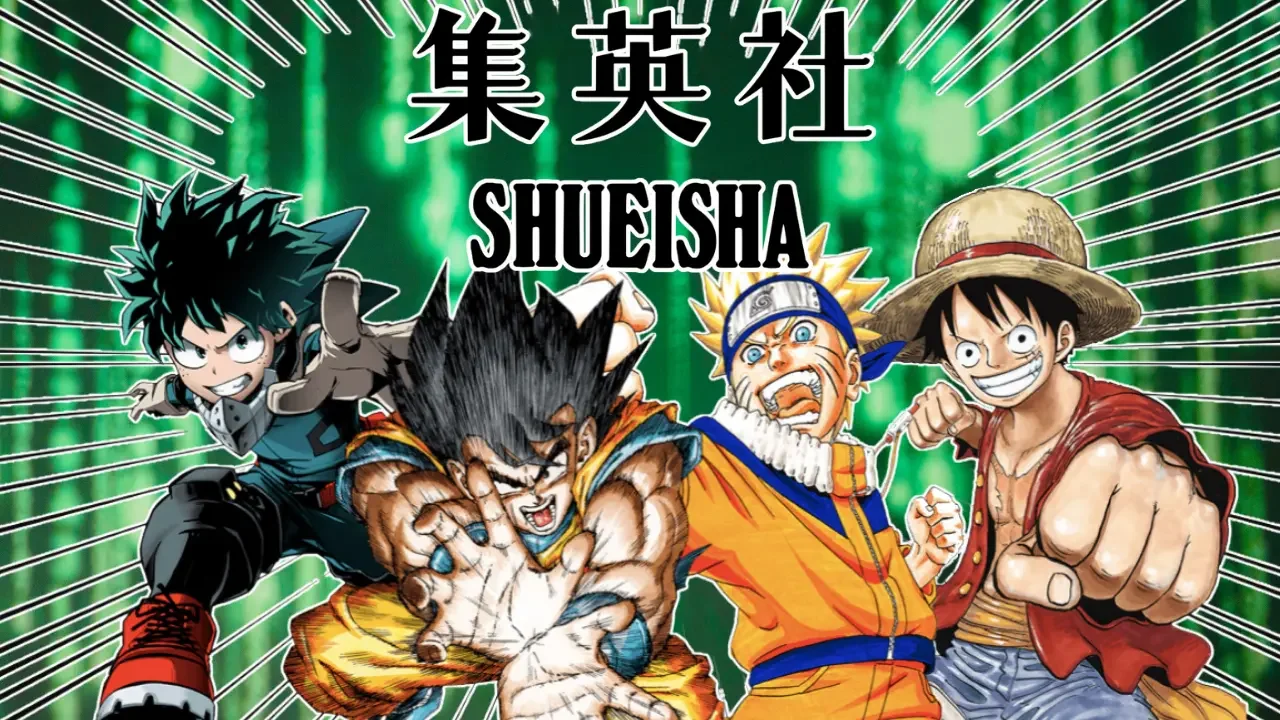
Publishing giant Shueisha has released its own powerful, independent statement regarding copyright infringement by generative AI.
This move came on the same day that 17 other major publishers and creative associations, including The Japan Cartoonists Association and Kodansha, released a separate joint statement on the same issue.

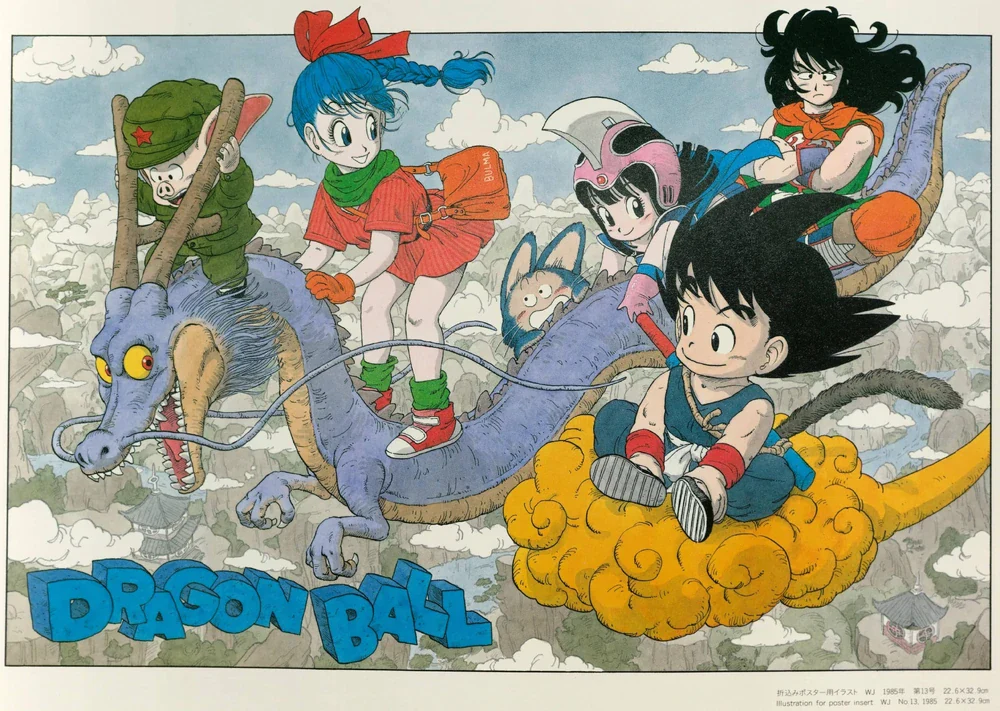
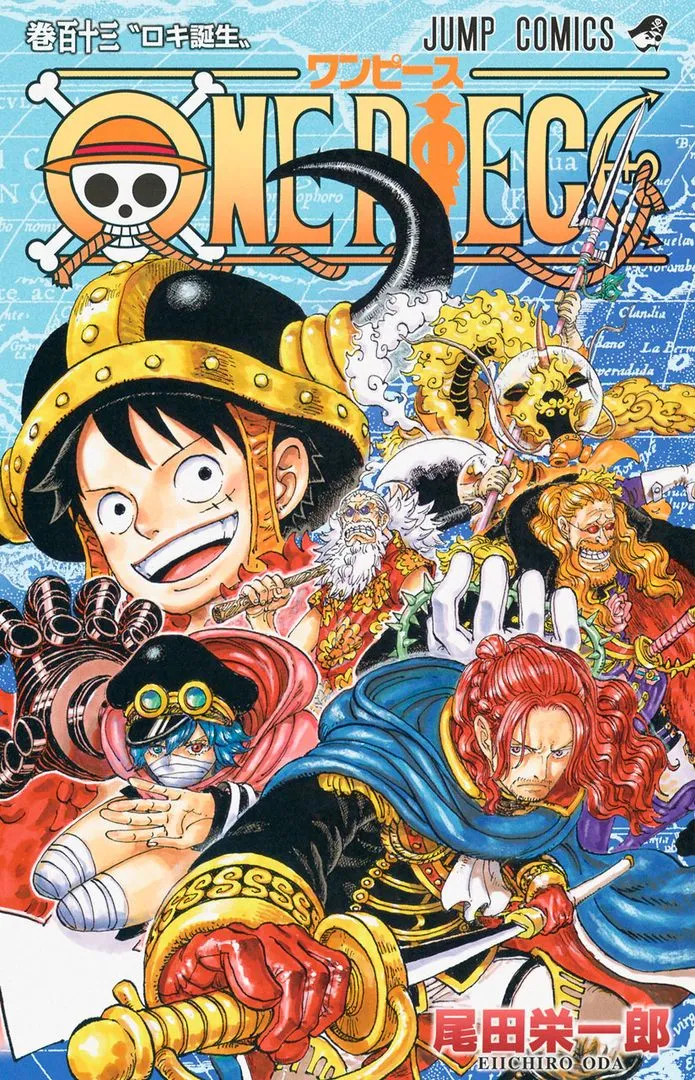
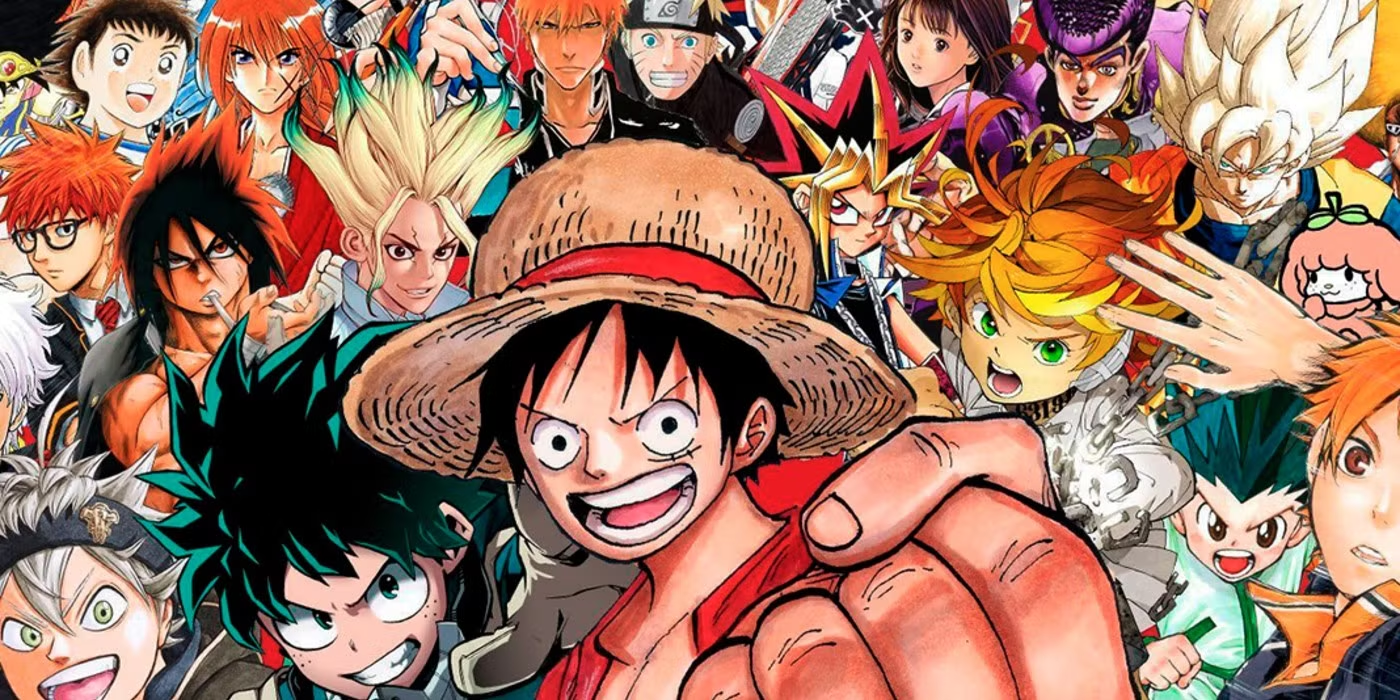
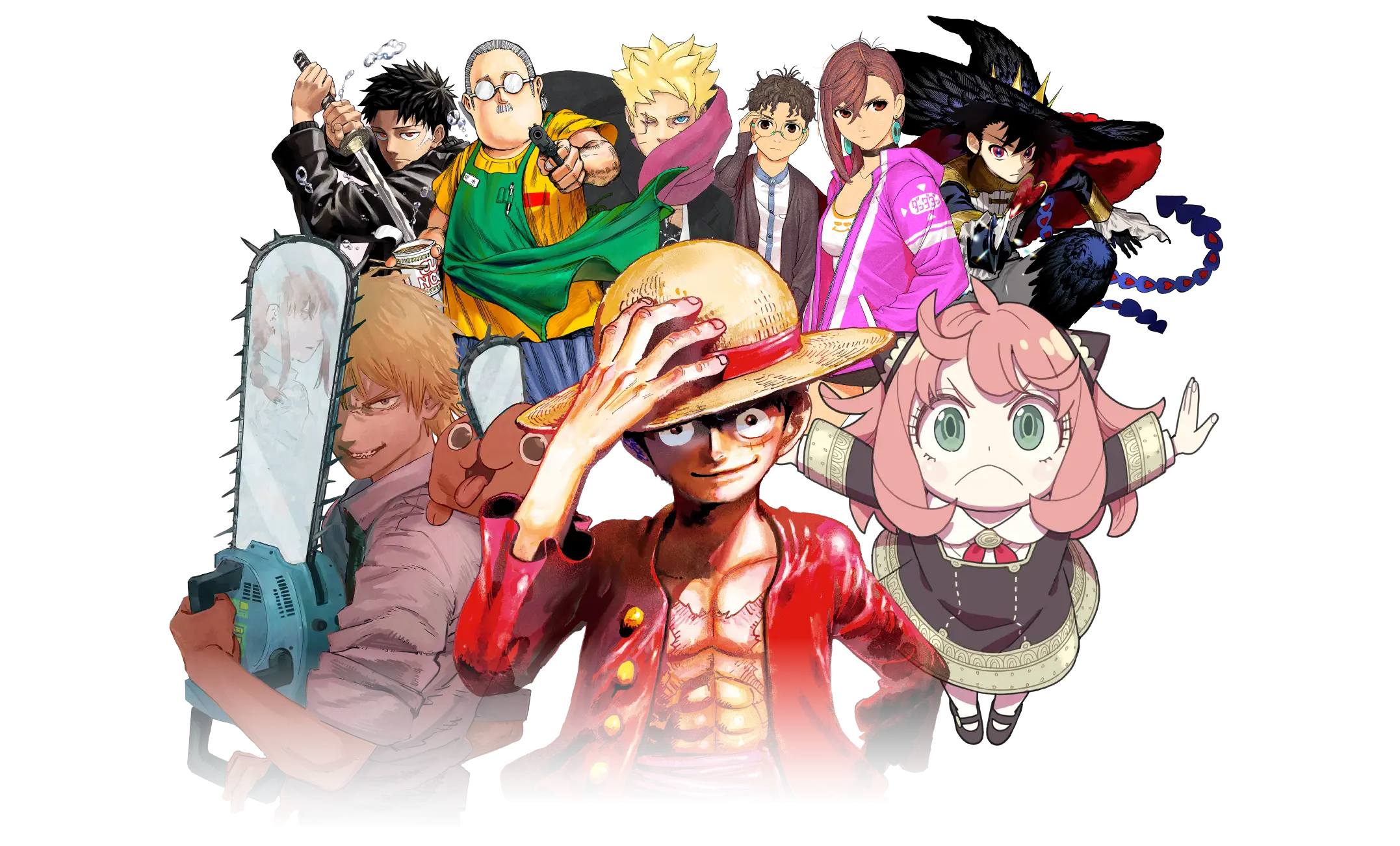
Shueisha is one of Japan’s largest publishers, known for megahit manga series like One Piece, Jujutsu Kaisen, and Dragon Ball.
Their independent release, titled “Regarding responses to copyright infringement using generative AI,” takes a notably stronger and more direct stance than the joint statement.
The publisher points directly to the “massive amount” of infringing videos that have appeared online following the release of new AI services like OpenAI’s “Sora2.”

The statement argues that while a society that shares the joy of creation is “welcomed,” it cannot be “established on the basis of trampling the dignity of authors who poured their heart and soul into their work.”
It explicitly criticizes the current “opt-out” model, demanding that AI service providers “urgently implement effective anti-infringement measures ‘beyond the opt-out system'” and provide remedies for rights holders.
Shueisha warns that without this, the “spiral of infringement” will continue to “shake the foundation of the content industry.”
The publisher also calls for “a national-level response, including legal reforms,” to protect content.

Shueisha concluded by vowing to take “appropriate and strict measures” against any infringement on its works, “regardless of whether generative AI is used,” and to cooperate with other organizations to maintain a “sustainable creative environment.”
Here is the full statement from Shueisha:
Regarding responses to copyright infringement using generative AI
This fall, with the release of a new generative AI service (OpenAI’s Sora2), a massive amount of similar videos based on famous content has appeared online.
Those videos, which infringe on the copyrights of anime and characters, are generated based on AI learning.
A society where more people can share the joy of creation and enjoy creative works due to the evolution of generative AI should be welcomed, but it should not be allowed to be established on the basis of trampling the dignity of authors who poured their heart and soul into their work, and infringing on the rights of many people.
We are at a stage where the spiral of infringement using generative AI services, which continues to shake the foundation of the content industry, will not stop unless the providers of these AI services, on their own responsibility, urgently implement effective anti-infringement measures “beyond the opt-out system” and remedies for rights holders.
A national-level response, including legal reforms, is also essential for content protection.
Regardless of whether generative AI is used or not, Shueisha will take appropriate and strict measures against anything judged to infringe upon the rights related to our works.
At the same time, we will actively collaborate and cooperate with copyright holders and related organizations to build and maintain a sustainable creative environment.
Shueisha Inc.
This post may contain affiliate links, and Essential Japan may earn a commission if you purchase through them.