
Lack of trash cans voted number one inconvenience for visitors to Japan


Visitors to Japan have revealed the main inconvenience faced when visiting the country.
A recent survey conducted by the Japan Tourism Agency found that foreign visitors to Japan found the scarcity of public trash cans, particularly in high-traffic areas such as train stations, to be a significant point of frustration.
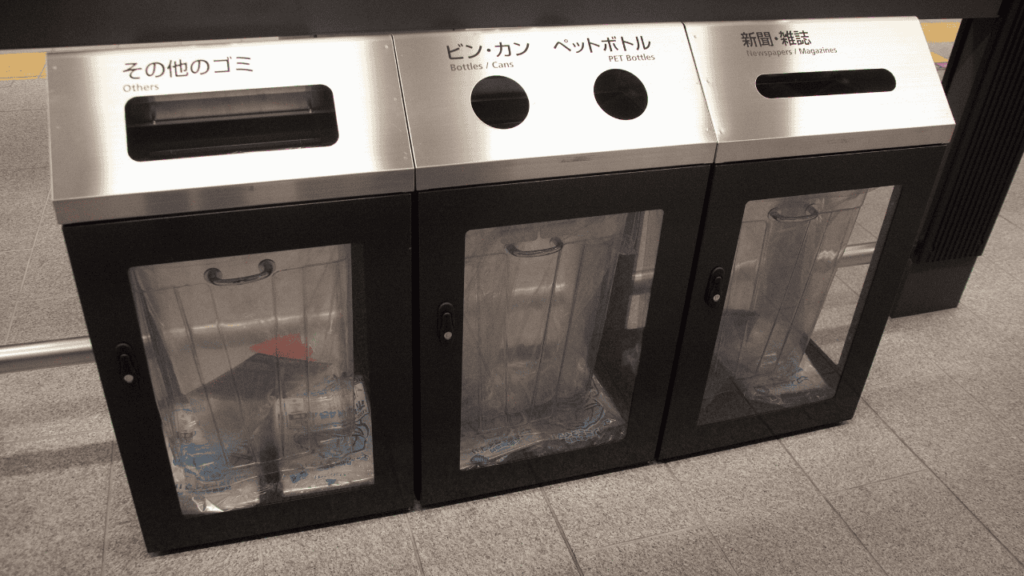
The survey polled over 4,000 international tourists departing from five major Japanese airports. The results revealed that 21.9 percent cited the lack of accessible waste disposal as their primary inconvenience during their travels.
The survey was administered between December 2024 and January 2025 at New Chitose, Narita, Haneda, Kansai, and Fukuoka airports and gathered feedback from tourists leaving Japan.
While the 21.9 percent figure represents an improvement of approximately 8 percentage points compared to the previous year’s survey, a substantial number of respondents still reported difficulties in disposing of their trash and they often resorted to carrying it back to their accommodation.
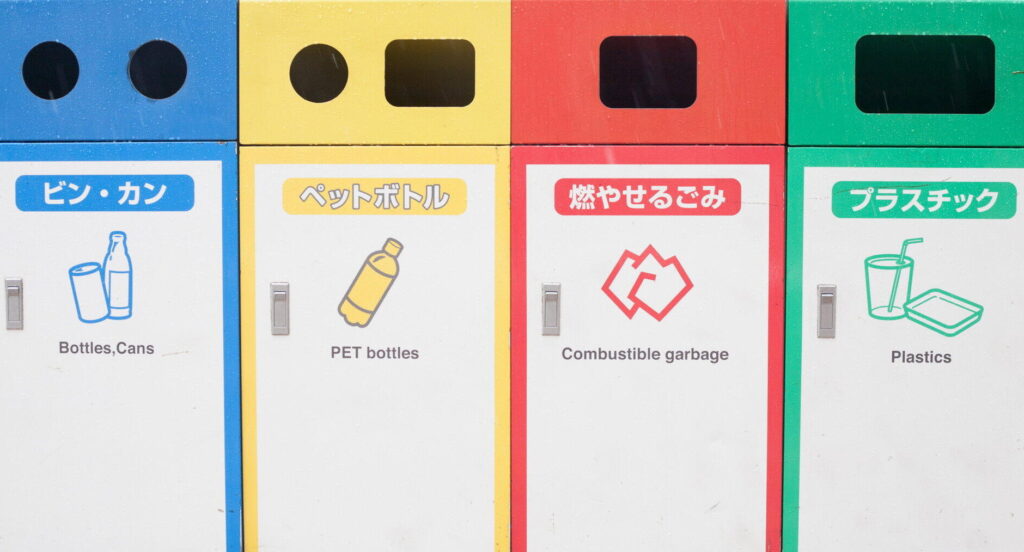
Japan has historically had a large number of public trash cans but in recent years, many of these have been removed from public spaces as a security measure.
This policy shift is partly attributed to heightened safety concerns following terrorist attacks both within Japan and internationally, such as the devastating 1995 Tokyo subway sarin gas attack.
Experts have noted that these events led to increased vigilance regarding potential threats in public areas, with unattended trash cans being identified as potential locations for concealed explosives.
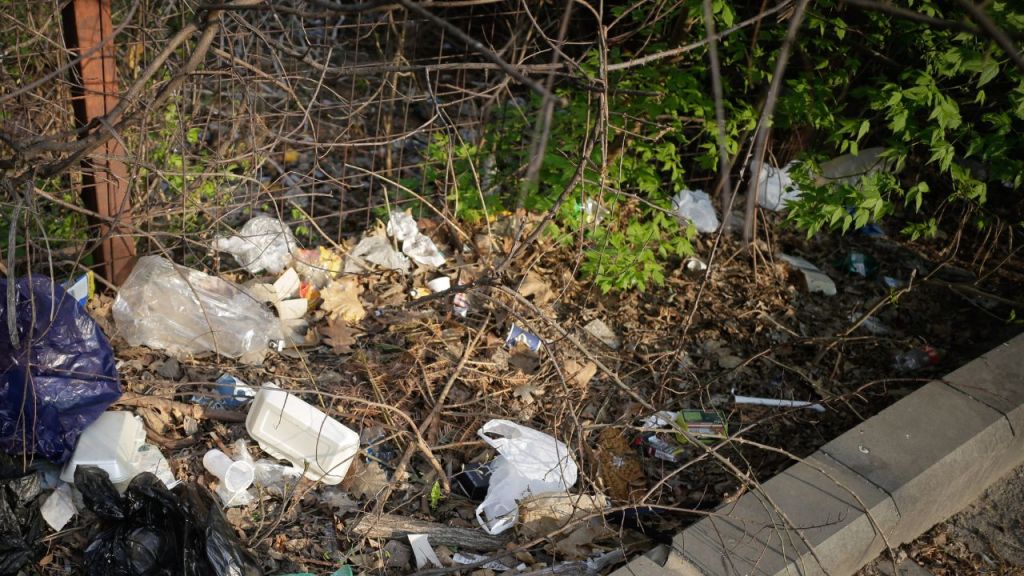
Despite the security reasons behind the removal of public trash cans, the unintended consequence has been a growing problem of littering in popular tourist destinations.
The absence of convenient disposal options has led some visitors and even locals to leave their trash in public areas, detracting from the cleanliness that Japan is typically known for and becoming a significant public concern.
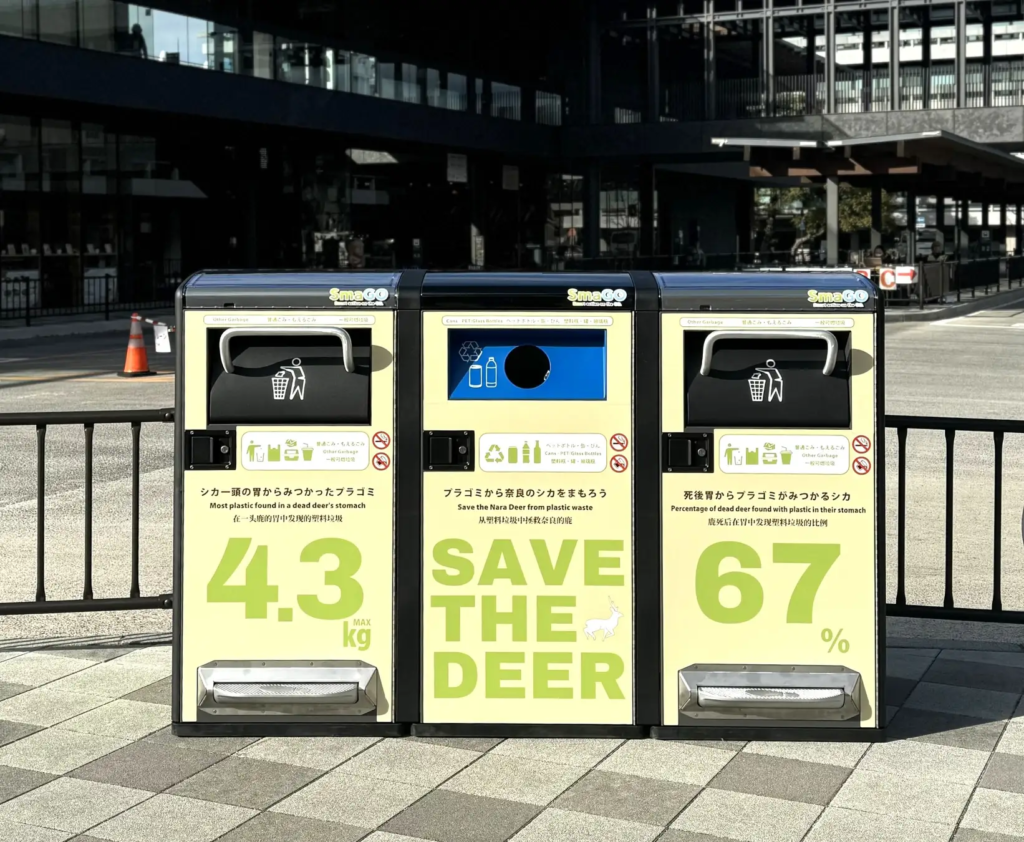
Due to these issues, some cities have begun providing new public trash cans. Nara City recently installed new trash cans for the first time in 40 years.
Yohei Takemura, CEO of Forcetec Inc., a company specializing in solar-powered trash cans equipped with compaction technology for public spaces, provided context by noting the stark contrast with other major global tourist hubs.
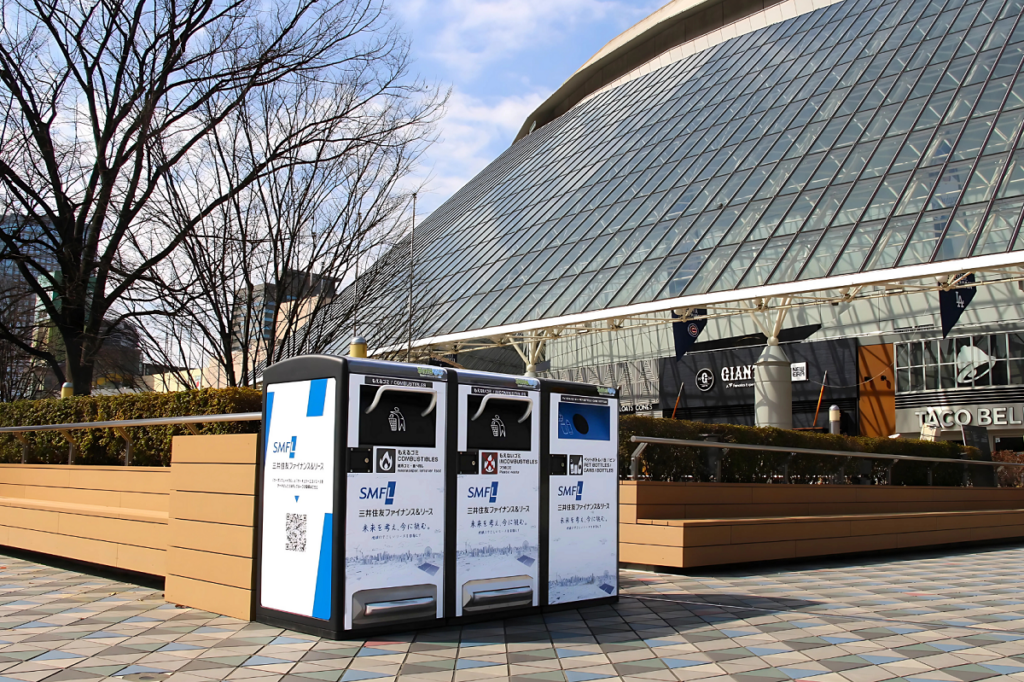
According to Takemura, cities like New York and Paris each boast approximately 30,000 public trash bins, while many Japanese cities have none.
While publicly maintained trash cans have largely disappeared in Tokyo, Takemura pointed out that some trash bins are still set up and maintained by private sector entities, often within or near their businesses.
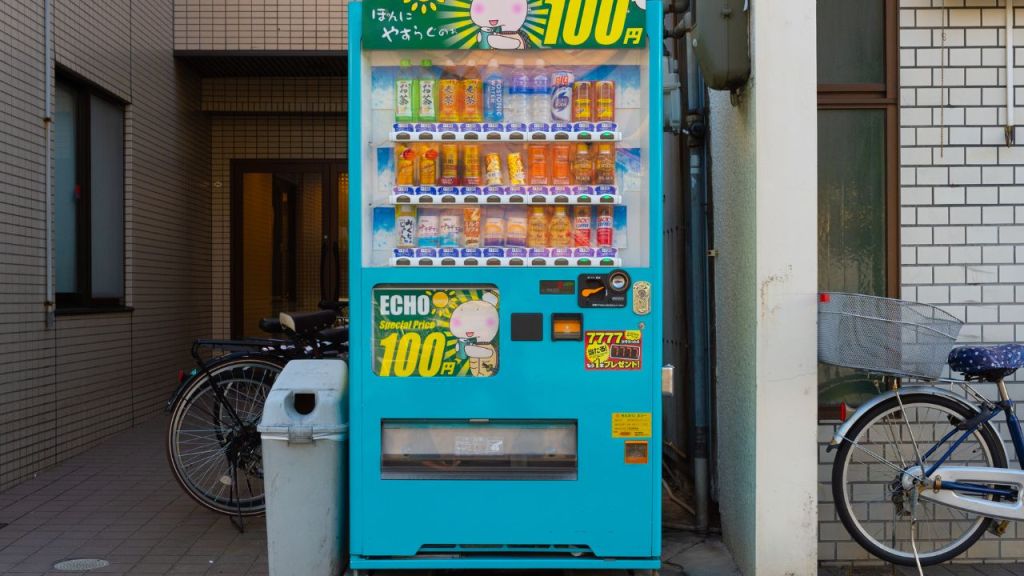
What few accessible trash cans remain in Japanese cities are usually located next to vending machines or convenience stores.
While the placement of these trash cans is intended to allow customers to dispose of packaging from food and drinks purchased there, they can often be found filled with trash from passers by.
Beyond the issue of trash disposal, the Japan Tourism Agency survey also identified other areas of inconvenience for foreign visitors.
Communication barriers, such as the limited English proficiency of staff at restaurants and other facilities, were cited by 15.2 percent of respondents.
Overcrowding at popular tourist spots was another significant concern, mentioned by 13.1 percent of those surveyed.
Additionally, some respondents raised concerns regarding the length of waiting times for immigration procedures at airports, indicating that the initial and final stages of their travel experience could be improved.
The findings of this survey shows the need for a balanced approach to managing public spaces in Japan, particularly in light of increasing tourism.
While safety remains an important concern, the inconvenience caused by the lack of trash bins and the resulting littering problems suggest a potential need for exploring alternative solutions.
These could include innovative, secure waste disposal systems or clearer guidelines and facilities in popular tourist areas to accommodate the needs of international visitors while maintaining public safety and cleanliness.
Source: The Mainichi

If you enjoyed this article, you can see more from us directly in your Google feed by adding us as a preferred source.
This post may contain affiliate links, and Essential Japan may earn a commission if you purchase through them.