
Kyoto Proposes Major Airbnb Restrictions as Complaints About Tourists Continue to Grow
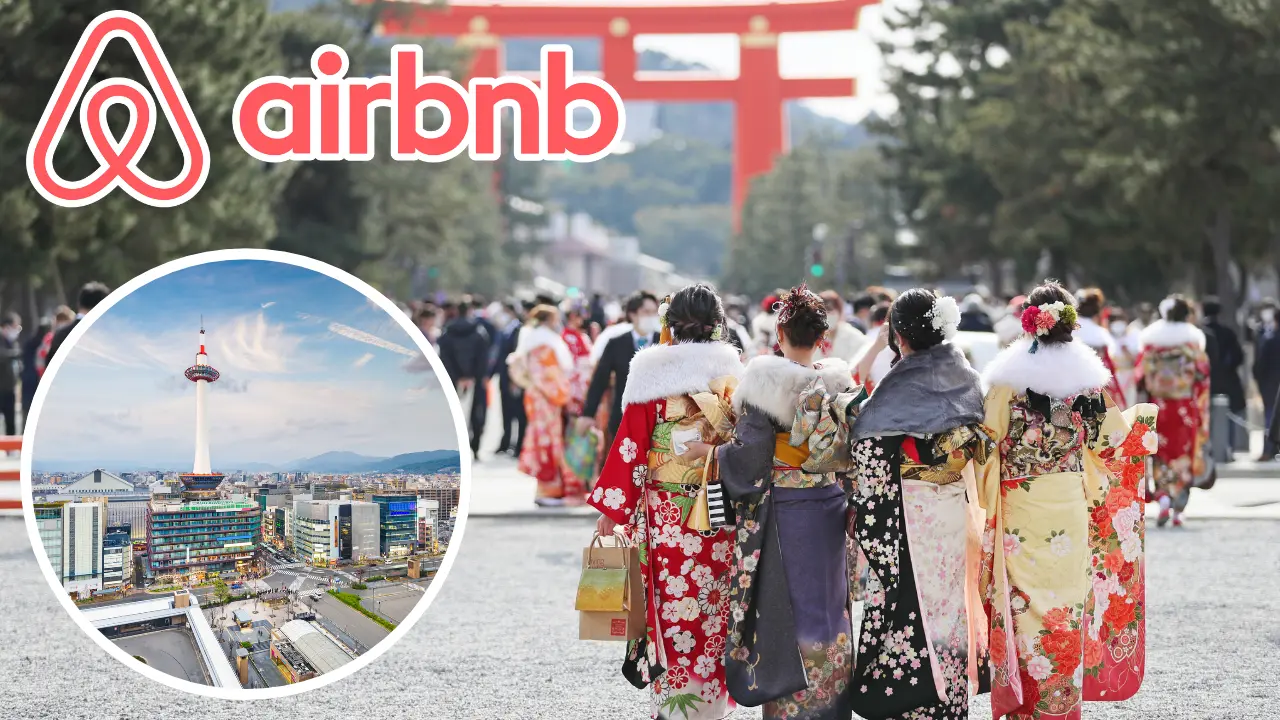 Image by Charlotte Davis
Kyoto City officials are considering sweeping new restrictions on Airbnb-style accommodation, including measures that could effectively prevent new holiday rentals from opening in residential neighbourhoods following growing complaints from local residents.
The proposals would also require staff to remain within 10 metres of accommodation properties, dramatically tightening existing rules intended to ensure that operators can respond quickly to problems involving tourists.

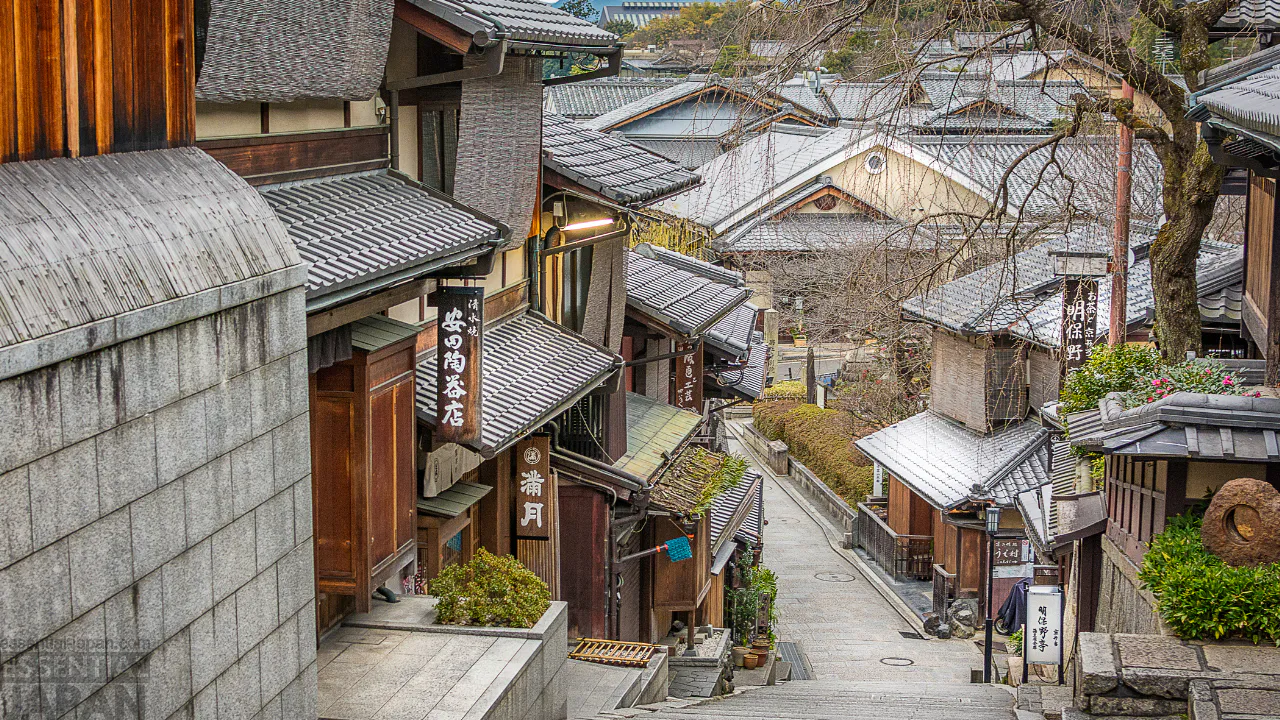
Kyoto has long struggled to balance its popularity as one of Japan’s leading tourist destinations with the needs of the people who live there, particularly as visitor numbers have surged following the pandemic.
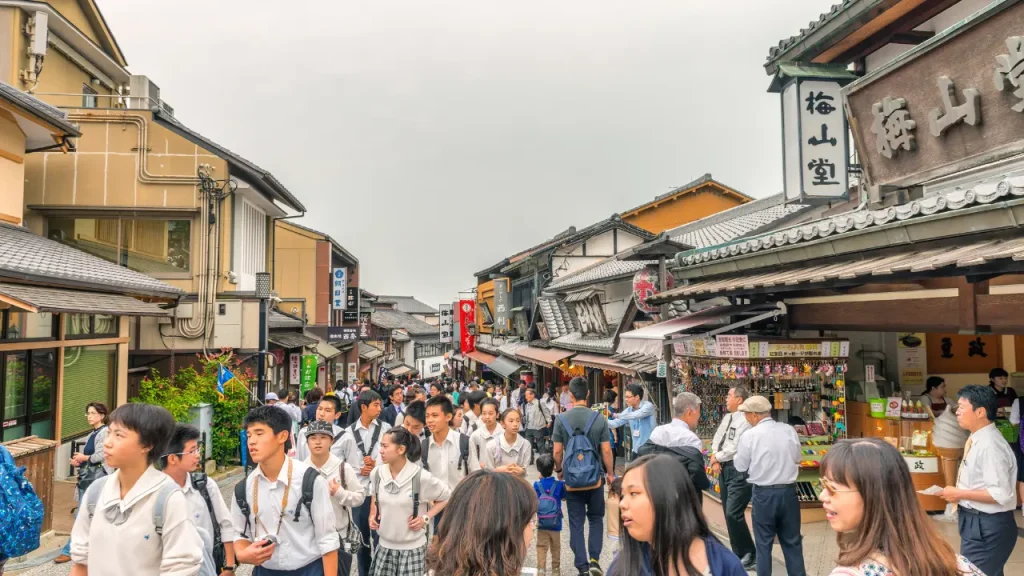
Short-term private accommodation, commonly known in Japan as minpaku, has become a particular source of frustration, with residents reporting problems involving noise, improperly disposed rubbish and guests entering or leaving buildings late at night.
Although Kyoto already operates some of Japan’s toughest regulations for private accommodation, city authorities say the current measures have not been sufficient to prevent neighbourhood disputes.

The latest proposals were examined during the third meeting of the city’s expert panel reviewing the future of private accommodation, which brought together specialists in urban planning, law and tourism to consider changes to the existing rules.
One of the biggest proposed changes concerns where new holiday rentals would be allowed to operate.
Under the current national framework, registered private accommodation can operate for a maximum of 180 days each year, although Kyoto already limits certain rentals without resident hosts in residential districts to a much shorter period between January and March.
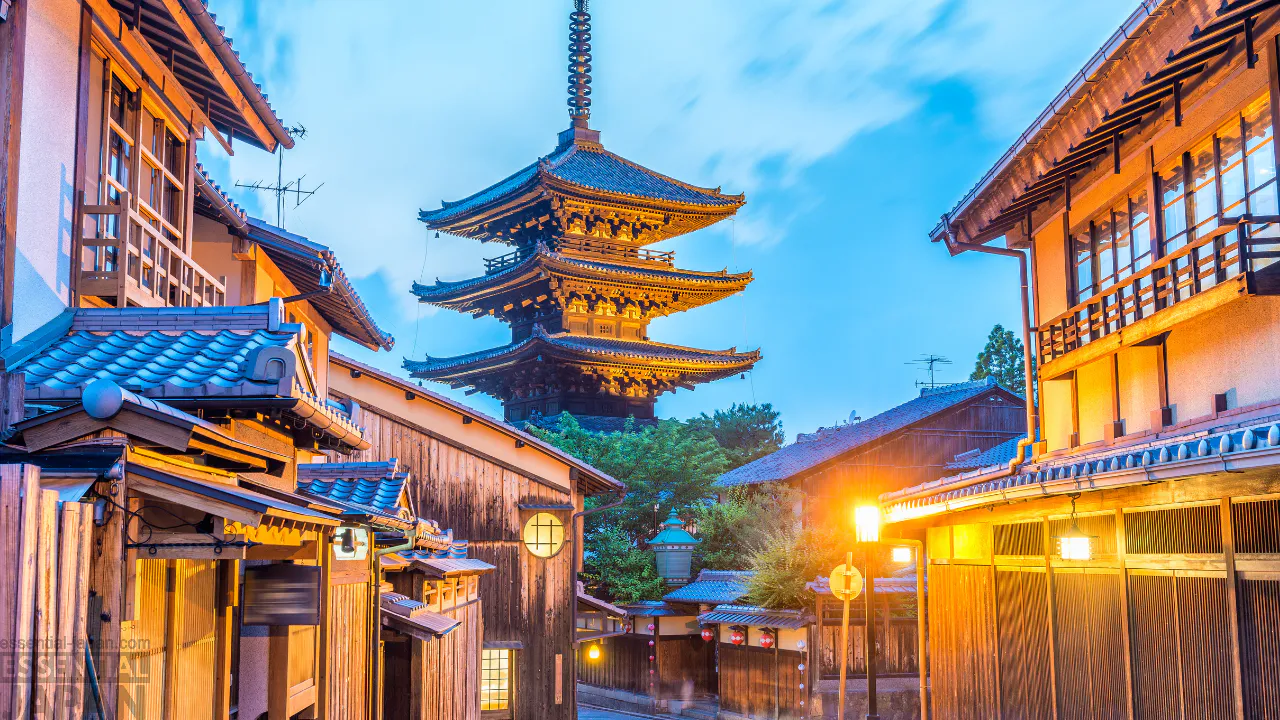
The city’s new proposals would introduce a so-called “zero-day restriction” in designated residential and industrial zones, effectively preventing new registered private rentals from operating in those areas.
Existing registered accommodation would be exempt from this particular proposed restriction, although operators could still face significant changes to how their properties must be managed.
Another major measure would require staff responsible for handling complaints and emergencies to be stationed either inside the accommodation itself or in a nearby building within 10 metres.
Current rules generally allow staff to be based somewhere they can reach the property within approximately 10 minutes, meaning the new requirement could make remotely managed holiday rentals considerably more difficult to operate.
The restrictions are also being considered for certain small guesthouses and other accommodation operating under Japan’s Hotel Business Act, extending the potential impact beyond properties registered under the private lodging system.
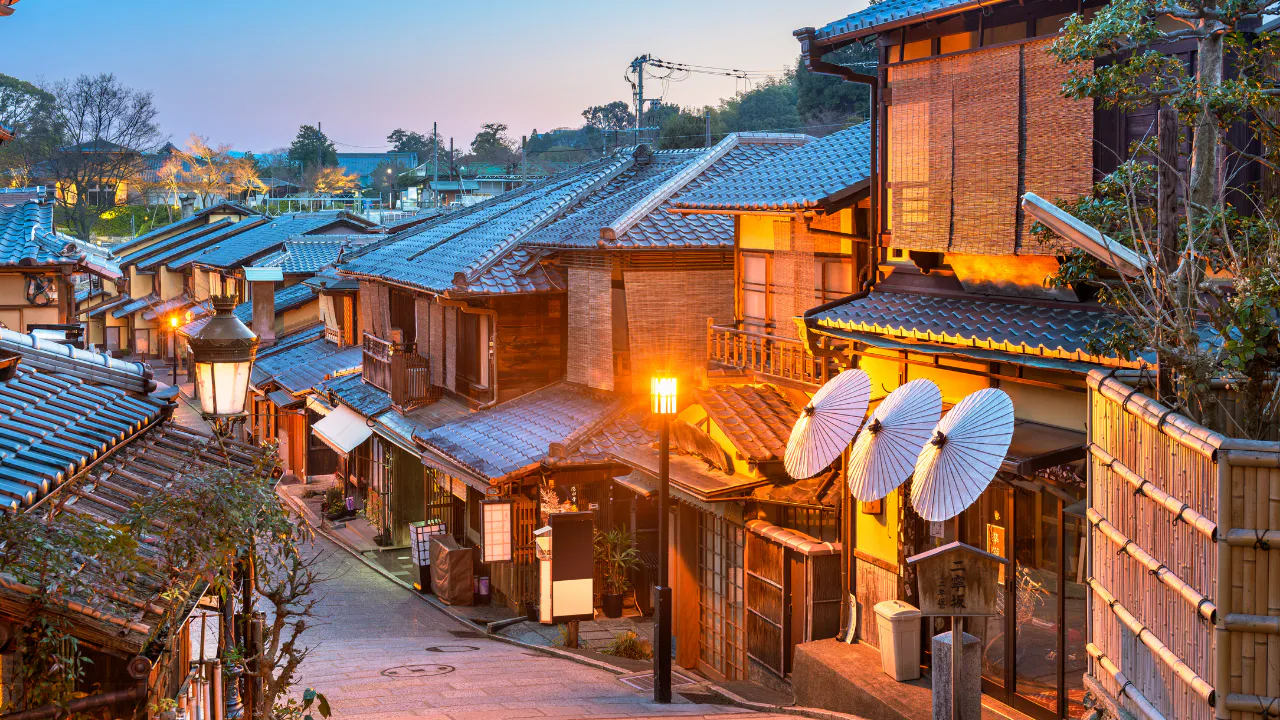
Other measures under consideration include tighter restrictions on properties located along extremely narrow access roads and additional soundproofing requirements for some traditional connected housing.

The city has pointed to complaints data as justification for the tougher approach, with private rentals and similar small lodging facilities accounting for approximately 74% of accommodation-related complaints recorded between fiscal 2018 and 2025 despite representing only around 7% of the city’s available guest rooms.
A survey of 518 residents living near such properties also found that approximately 70% supported stronger regulations, while 65% held a negative impression of private accommodation.
However, the proposals have also raised concerns among operators, particularly those who already comply with existing regulations but could face substantial additional staffing costs or difficulties continuing their businesses.
Kyoto Mayor Koji Matsui has previously acknowledged those competing concerns, recognizing that residents want stronger protections while responsible accommodation operators question why they should face further restrictions because of problems caused by others.
The debate forms part of Kyoto’s wider response to overtourism, with the city having already approved a major increase in its accommodation tax, raising the maximum charge to ¥10,000 per guest per night for the most expensive accommodation.

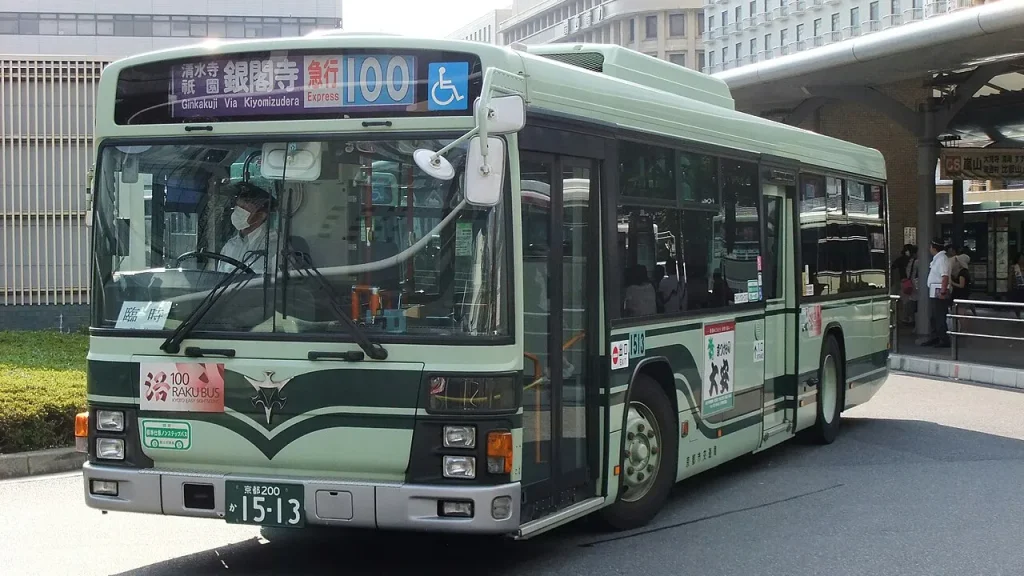
Officials have also proposed charging tourists more than local residents to use Kyoto’s public buses, another measure intended to address growing frustration over the pressure that large visitor numbers place on everyday life.
Unlike those initiatives, however, the proposed rental restrictions could directly affect the availability of accommodation in residential neighbourhoods, potentially reducing options for travelers while also changing the economics of running smaller lodging businesses.
The city is now expected to refine its proposals and seek public feedback before deciding which measures should be included in a formal ordinance amendment.
The latest expert meeting took place on November 2, 2026, with Kyoto officials aiming to present an ordinance amendment to the city assembly in February 2027, before the end of the current fiscal year.
No new restrictions have been enacted as a result of the meeting, and the precise scope, implementation dates, and transitional arrangements will depend on the final proposals and their approval by the city assembly.

If you enjoyed this article, you can see more from us directly in your Google feed by adding us as a preferred source.

This post may contain affiliate links, and Essential Japan may earn a commission if you purchase through them.