Japan’s bullet trains to go driverless by 2035
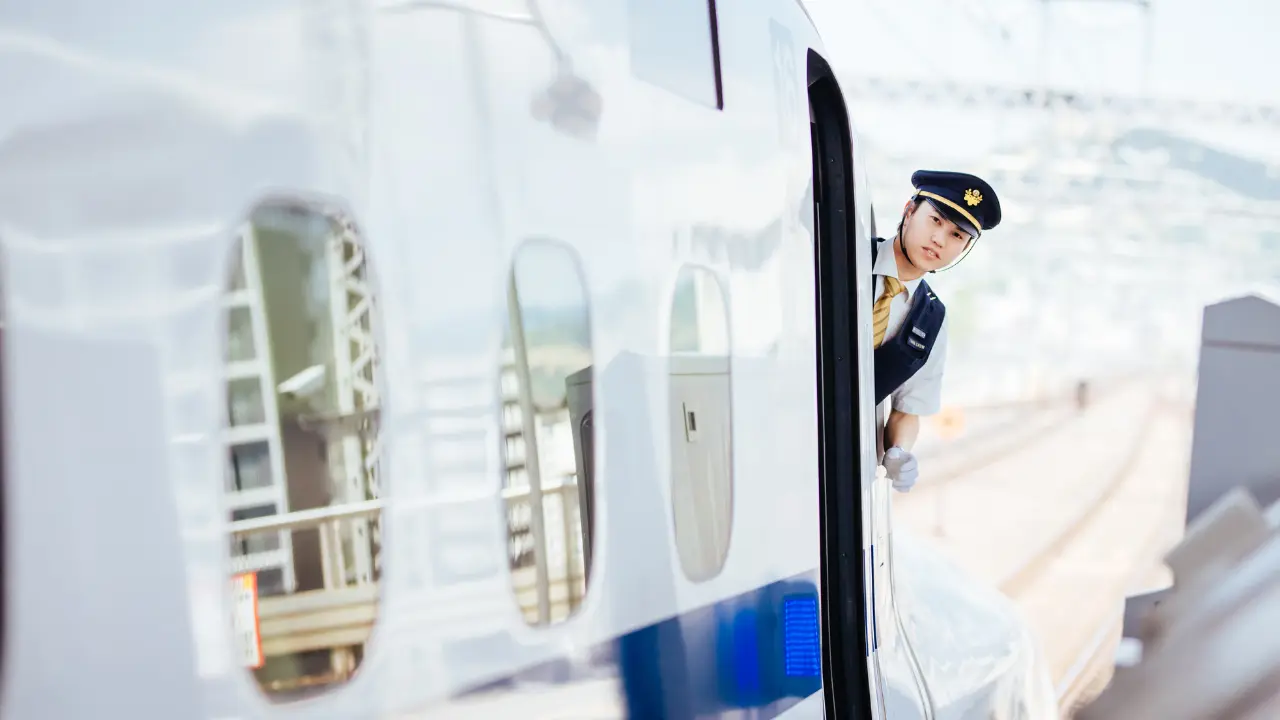
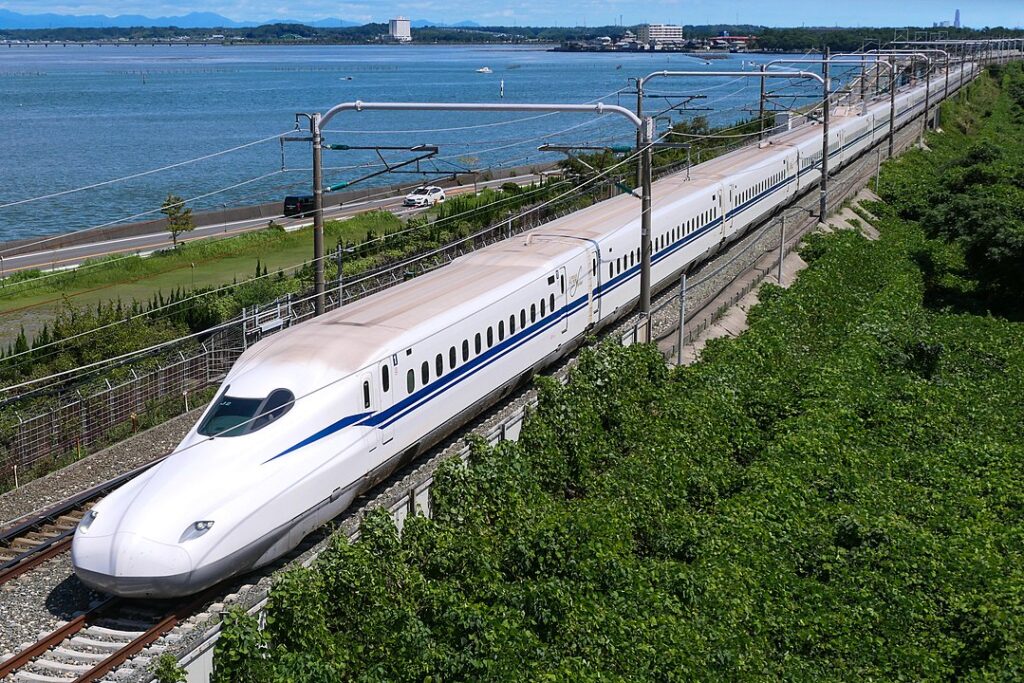
JR East has unveiled an ambitious long-term business plan that includes the introduction of driverless trains on Shinkansen routes by 2035.
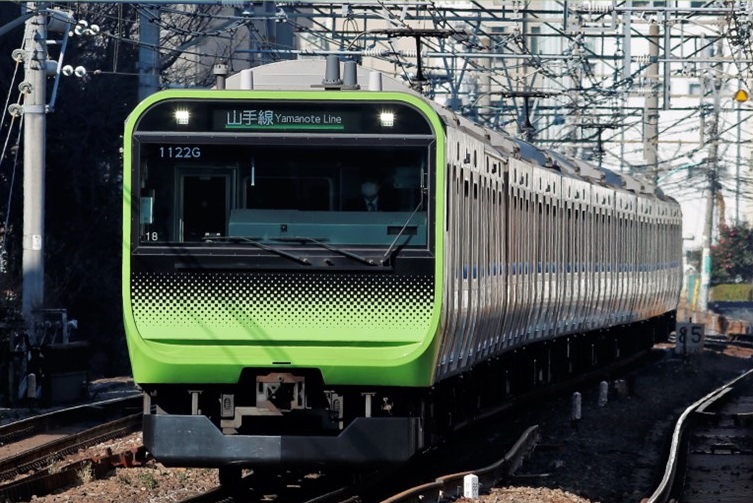
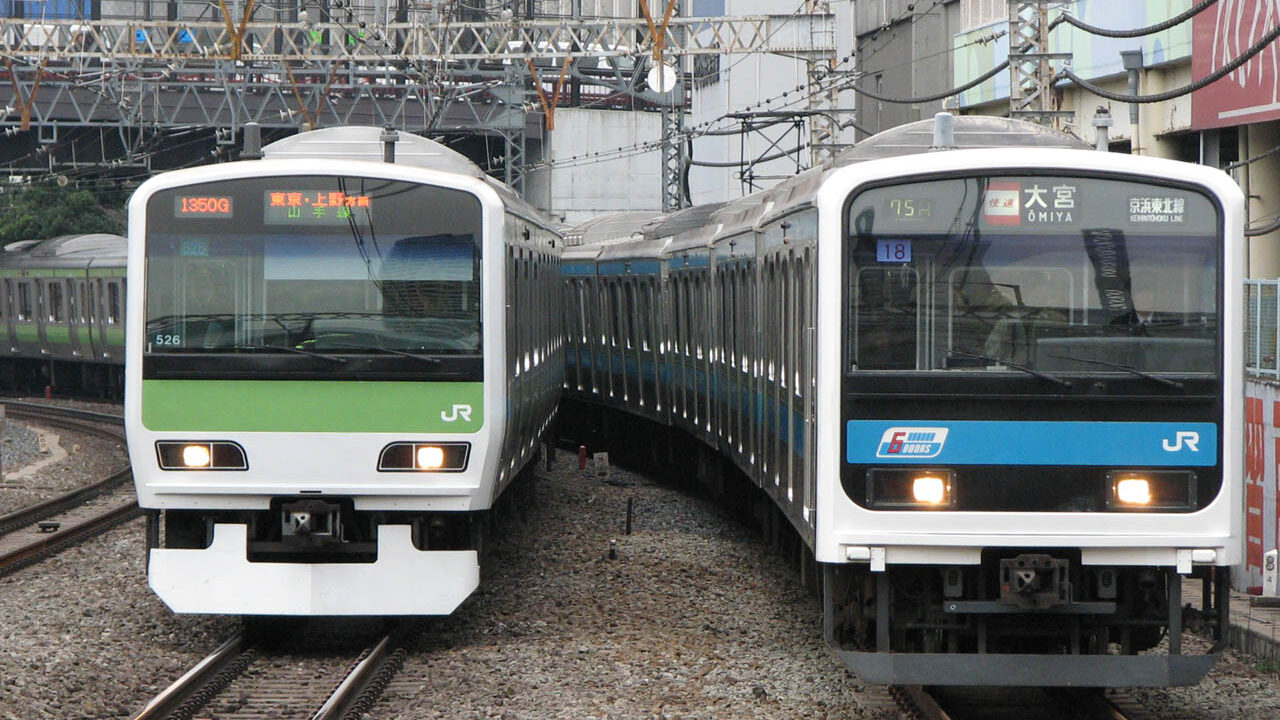
This initiative is a core part of the company’s strategy to combat a looming labor shortage and enhance operational efficiency, with similar autonomous systems also planned to be introduced to Tokyo’s busy Yamanote Line at the same time.
JR East President Yoichi Kise announced the plan, stating that while traditional driving jobs will be phased out, the need for human personnel will not disappear.
Any affected workers will be reassigned to roles focused on customer service, such as providing travel advice and addressing passenger issues at stations.
Even after the transition to driverless operation, safety personnel will remain on board to handle any emergencies, ensuring a continued human presence to assist travelers.
The driverless technology will first be implemented on the Yamanote Line, a major loop that connects urban centers in central Tokyo like Shinjuku and Shibuya, before being expanded to other suburban and long-distance routes, including the famous shinkansen bullet trains.
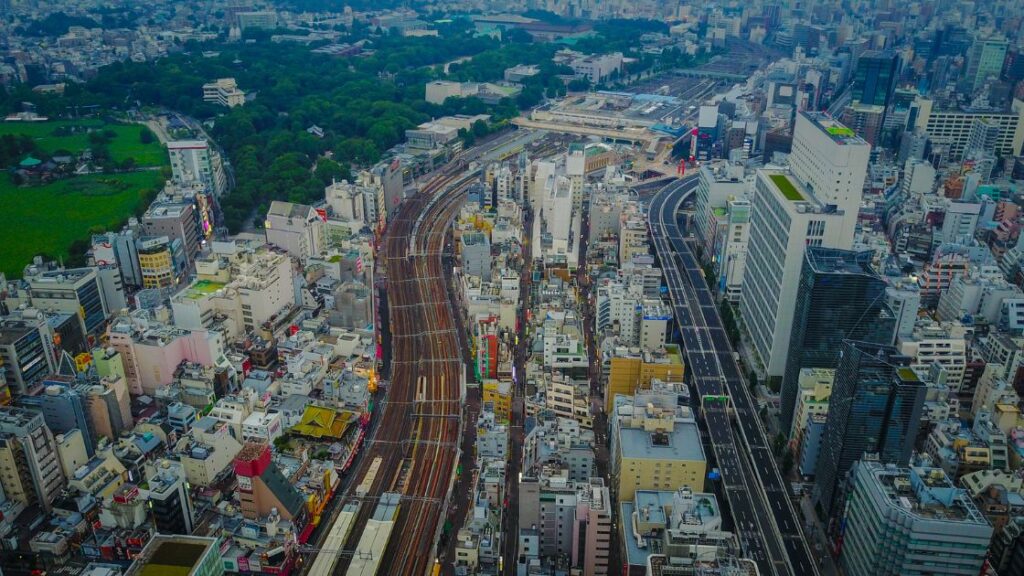
The move toward automation is a strategic response to Japan’s demographic challenges, specifically a declining and aging population that is leading to a shrinking workforce.
By adopting unattended train operation, JR East can maintain its high service standards and operational frequency while adapting to a smaller pool of available employees.
This modernization effort also extends to the passenger experience, with plans to install communication systems in train cars by 2035 that will allow passengers to contact onboard personnel directly.
Beyond automation, JR East’s new plan places a significant priority on safety. Kise emphasized that “systems-led driving will lead to greater safety, which will benefit customers.”

The company has set a target of reducing railway accidents by 30% from its fiscal 2023 level by fiscal 2031.
To achieve this, a range of new safety measures will be implemented.
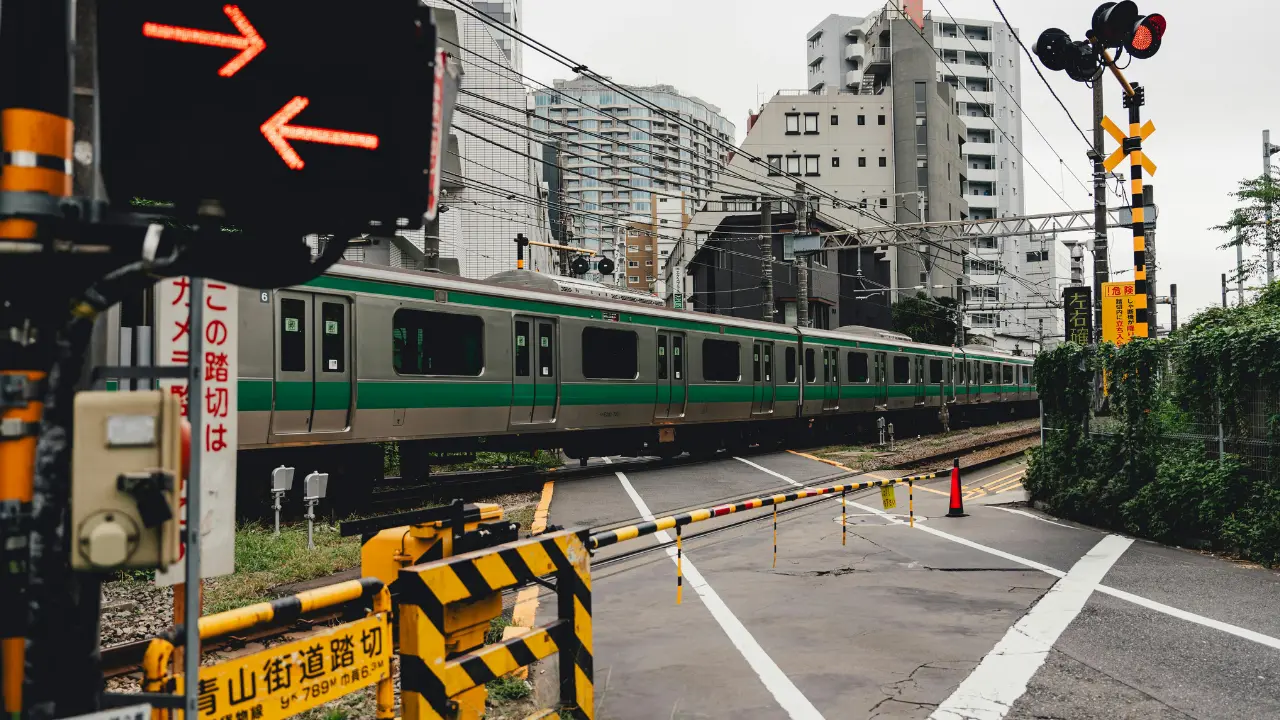
These include using satellite data to control railroad crossing gates and a system that can automatically stop trains if an emergency button is pressed.
At stations, JR East aims to install more platform screen doors, which are designed to slash platform-related injuries and accidents by 80% by fiscal 2031 compared to 2023.
The company’s vision also extends to a reimagined future for train stations themselves.
JR East is exploring a concept for stations 20 years from now that would eliminate traditional fare gates, creating more open space on platforms.
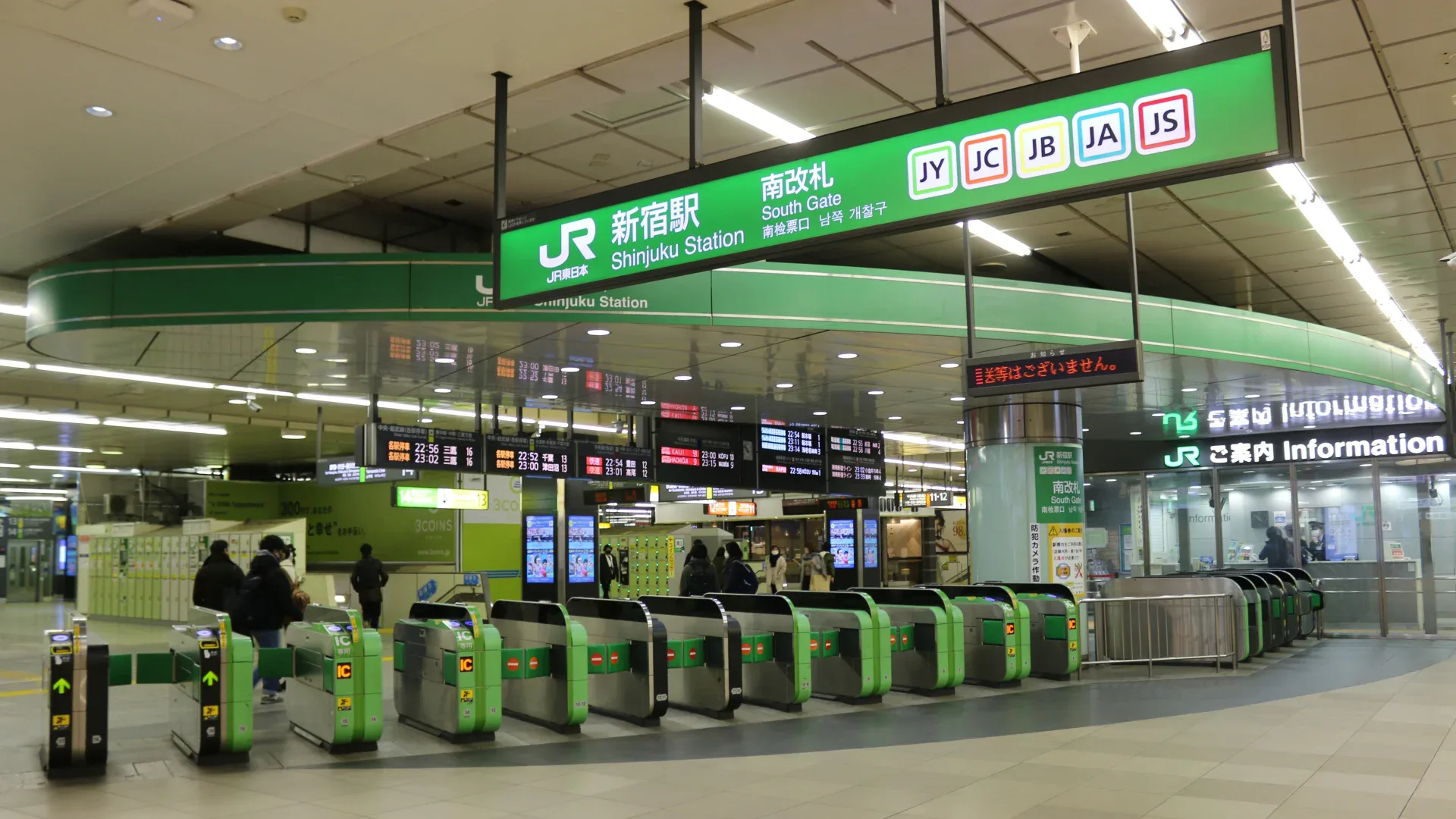
The freed-up areas could then be used for alternative purposes, such as hosting concerts or local goods markets, turning stations into community hubs.
This post may contain affiliate links, and Essential Japan may earn a commission if you purchase through them.