
Japan Denies Claims It Agreed to Accept 100,000 Bangladeshi Workers Every Year
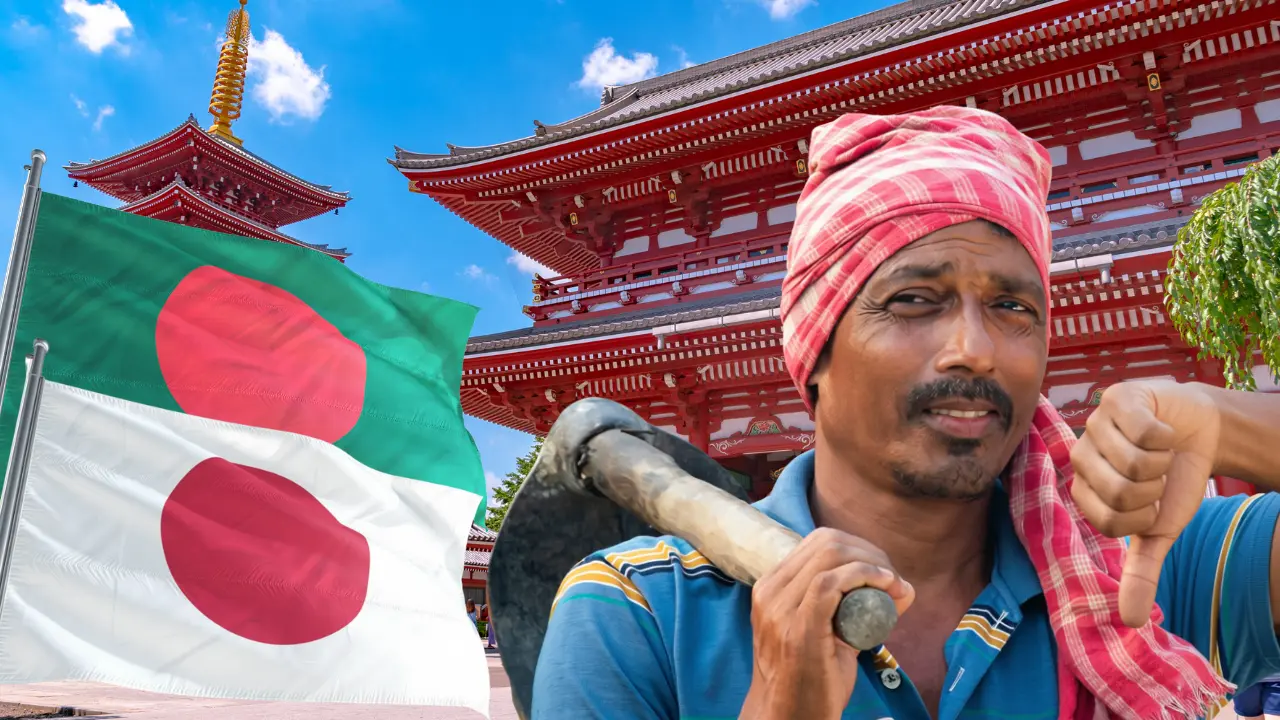
Japan’s Foreign Ministry has publicly denied claims that the government agreed to accept 100,000 workers from Bangladesh, following widespread reports of a major new immigration arrangement between the two countries.
Some reports went further by claiming that the rumored total was an amount that would be accepted every year for five years, potentially resulting in 500,000 Bangladeshis entering the country under the supposed agreement, rather than it being a one-off deal.
Officials have, however, now formally confirmed that no such commitment was made following an October summit between Japanese Prime Minister Sanae Takaichi and Bangladeshi Prime Minister Tarique Rahman.
Foreign Ministry Press Secretary Toshihiro Kitamura directly rejected those claims, stating that there was no agreement for Japan to accept the reported number of workers.
The confusion followed Rahman’s four-day visit to Japan and his meeting with Takaichi, during which the two governments announced a broader package of economic and diplomatic cooperation.
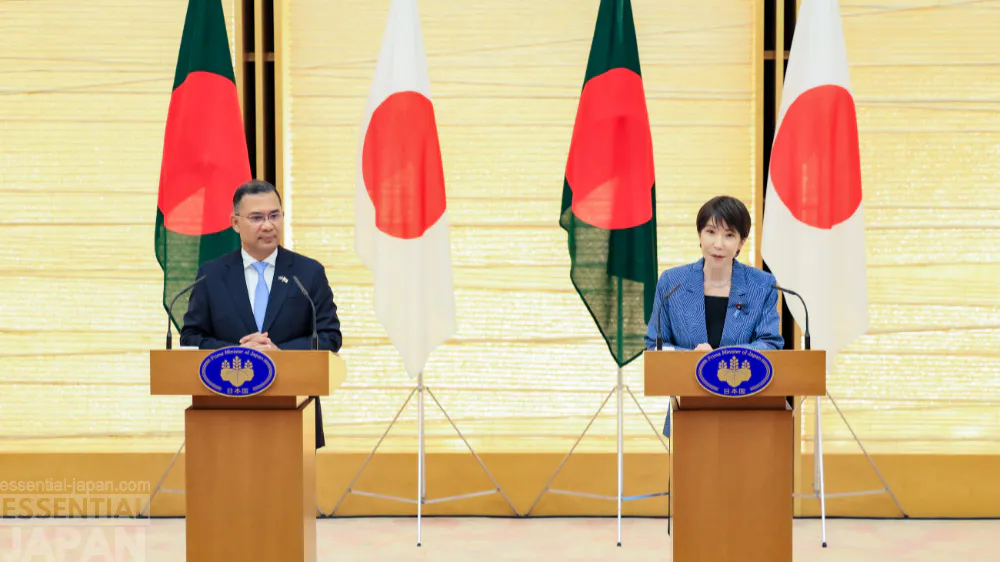 Image by Prime Minister's Office of Japan
Japan’s official account of the summit instead states that Japanese private investment in Bangladesh is expected to reach as much as ¥1 trillion over the next five years, potentially creating around 200,000 jobs within Bangladesh.
The two countries also agreed to strengthen cooperation in areas including trade, investment, agriculture, fisheries, aviation, environmental policy and maritime security, but the published agreement contains no commitment to accept 100,000 Bangladeshi workers into Japan.
There is, however, genuine cooperation underway over employment and skills development, which appears to have contributed to the confusion surrounding the viral claims.
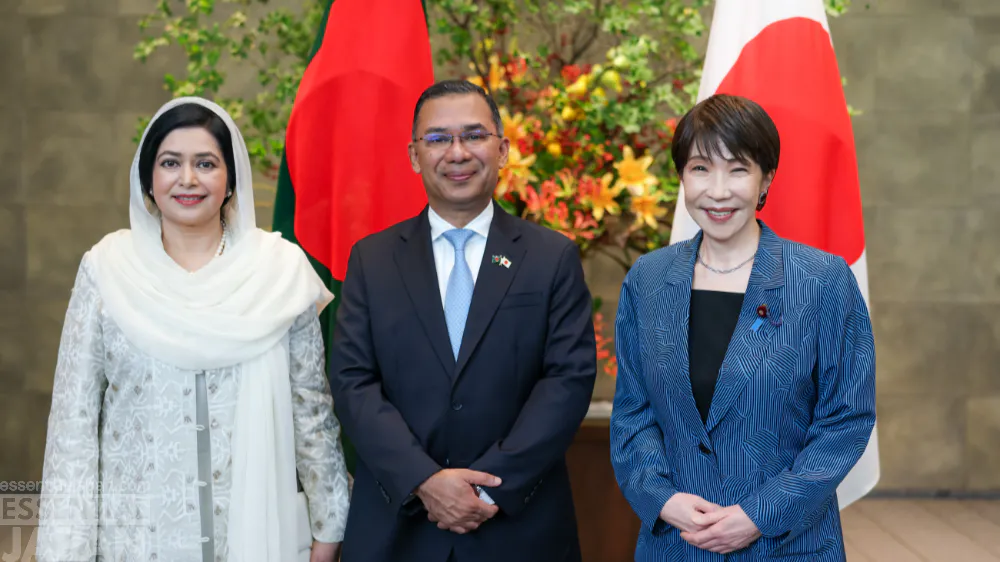 Image by Prime Minister's Office of Japan
Japan and Bangladesh recently established a framework intended to improve recruitment, skills development and protections for Bangladeshi workers seeking employment in Japan, but it does not guarantee that a fixed number of people will be accepted each year.
The figure of 100,000 also predates the latest summit, with Japanese business representatives previously expressing an ambition to welcome at least 100,000 Bangladeshi workers over a five-year period rather than 100,000 every year, though no formal plans have ever been put in place.
Bangladeshi officials have separately spoken about significantly increasing the number of workers sent to Japan, further creating room for private-sector targets and government policy to become conflated as the claims spread online.
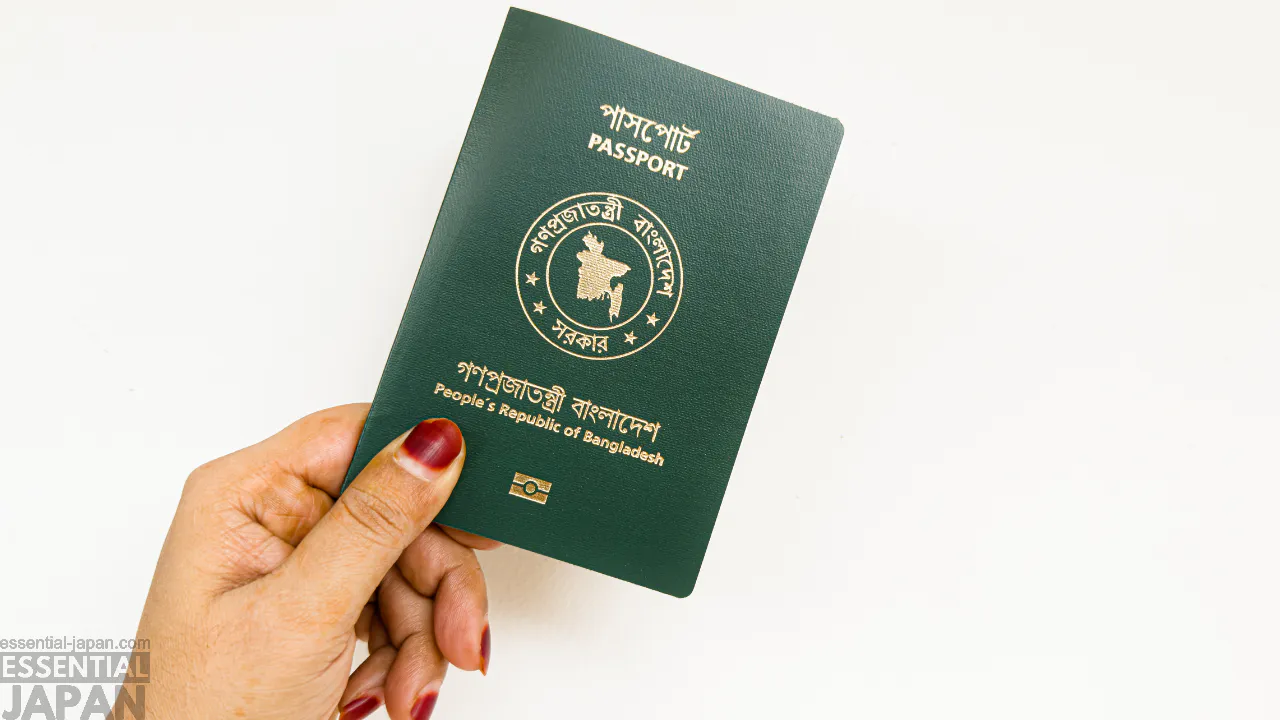
Japan has been expanding routes for foreign workers as severe labor shortages affect industries including construction, agriculture, manufacturing, food services and nursing care.
The government has already outlined plans to replace its controversial technical trainee scheme with a new Employment for Skill Development program, which is intended to give overseas workers a clearer path toward longer-term employment through the Specified Skilled Worker system.

At the same time, immigration has become an increasingly prominent political issue as Japan’s foreign population grows, with authorities previously considering broader limits on the number of foreign residents as part of a long-term review of the country’s immigration policy.
Recent government data has also shown foreign resident numbers increasing across much of Japan even as the Japanese population continues to shrink, highlighting the growing role immigration is playing in communities facing demographic decline.
That wider debate likely helped the Bangladesh claim gain traction, particularly as Japan continues trying to balance its need for overseas workers with growing political pressure over how quickly the foreign population should increase.
The Foreign Ministry has made its position clear, stating that it has no agreement to accept 100,000 Bangladeshi workers annually and that no such commitment was made at the October 27 summit.

If you enjoyed this article, you can see more from us directly in your Google feed by adding us as a preferred source.

This post may contain affiliate links, and Essential Japan may earn a commission if you purchase through them.