
Immigrant Numbers Rise Across Japan as Local Populations Continue to Shrink

Japan’s population decline is being accompanied by a sharp rise in foreign residents, with new government data showing that communities across the country are becoming increasingly international even as their overall populations continue to shrink.
Figures released by Japan’s Ministry of Internal Affairs and Communications show that 1,436 municipalities recorded a decrease in Japanese residents alongside an increase in foreign residents between January 1, 2025 and January 1, 2026.
Japan’s total population has been declining since 2010, driven by a persistently low birth rate and an aging population, while the number of foreign nationals living in the country has grown steadily as immigration plays an increasingly important role in the workforce and local communities.
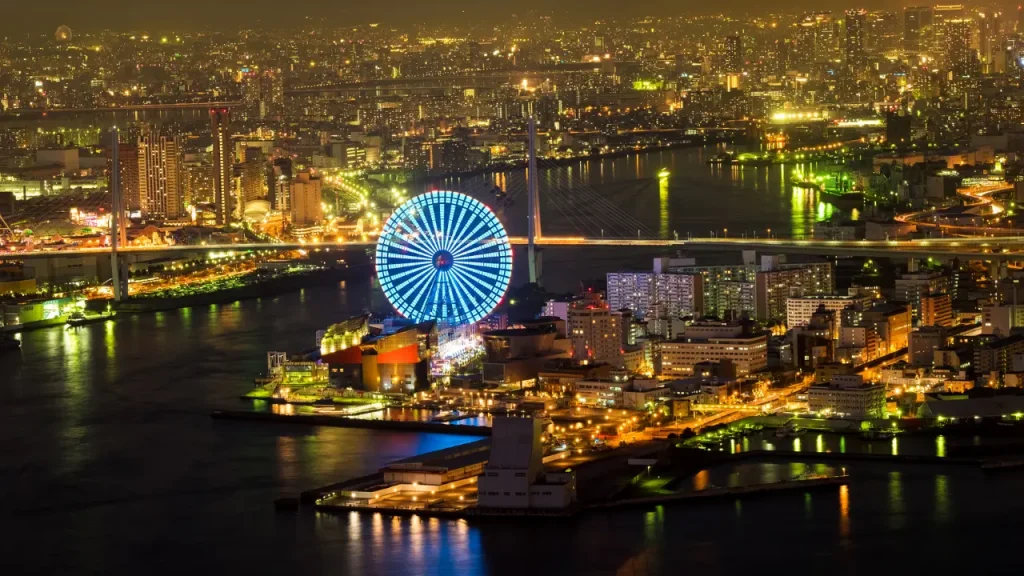
Osaka recorded the largest increase in foreign residents during the 12-month period, adding 25,056 people while its Japanese population fell by 5,191, resulting in a net population gain of 19,865.
Yokohama placed second with 11,056 additional foreign residents, although a decline of 11,139 Japanese residents meant the city’s overall population still fell slightly by 83 people.
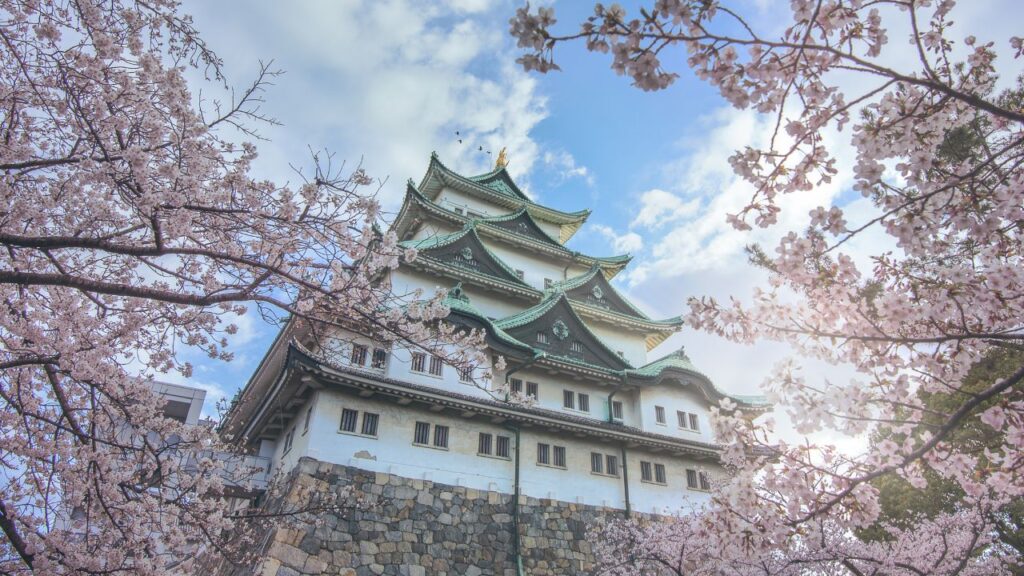
Nagoya added 10,091 foreign residents and lost 2,374 Japanese residents, producing a total population increase of 7,717.
Kyoto saw its foreign resident population rise by 6,483, but that growth was not enough to offset a fall of 10,620 Japanese residents, leaving the city with 4,137 fewer people overall.
Kawaguchi in Saitama Prefecture rounded out the top five after adding 5,629 foreign residents, more than compensating for a decline of 4,561 Japanese residents and increasing its total population by 1,068.
The remaining municipalities in the top 10 were Kobe with an increase of 5,033 foreign residents, Tokyo’s Edogawa Ward with 4,839, Chiba City with 4,086, Shinjuku Ward with 3,260 and Sapporo with 3,216.
Tokyo’s position in the ranking can appear lower than expected because the capital’s 23 special wards and other municipalities are counted separately rather than as one combined city.
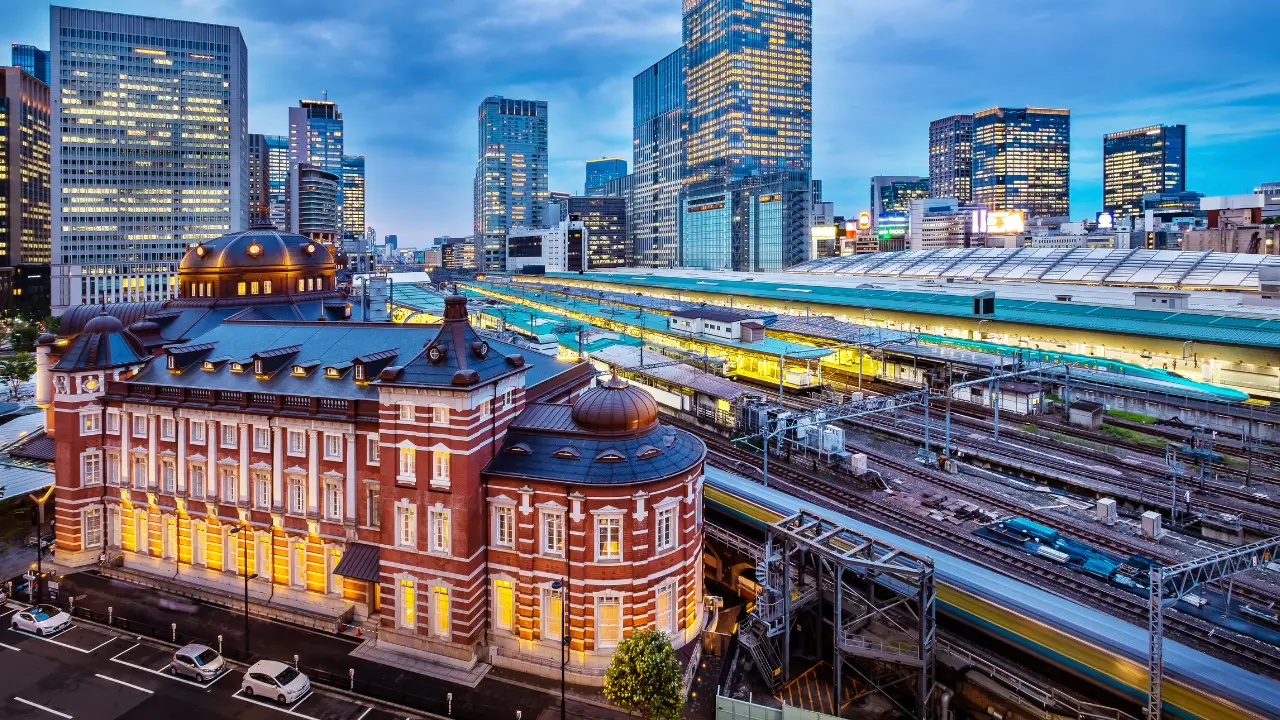
Ten Tokyo municipalities appeared within the top 100 for foreign resident growth, including Edogawa, Shinjuku, Katsushika, Nakano, Toshima, Hachioji, Koto, Machida, Nishi-Tokyo and Shibuya, collectively adding more than 22,000 foreign residents over the year.
The data does not mean that every increase came directly from new international arrivals, as the totals also reflect foreign residents moving between Japanese municipalities, births, deaths, changes in nationality and other updates to resident records.
However, simultaneous growth across many of Japan’s largest urban areas indicates that increased immigration is playing a major role rather than the changes being explained purely by existing foreign communities relocating within the country.
The wider picture also shows that foreign population growth is not yet large enough to reverse Japan’s demographic decline in most places, as only 92 of the 1,436 municipalities where Japanese residents fell and foreign residents increased recorded an overall population gain.

A further 1,342 municipalities still lost population despite gaining foreign residents, while two remained unchanged, highlighting how rapidly Japan’s demographic makeup is shifting even as the country continues to become smaller overall.
The figures were published by the Ministry of Internal Affairs and Communications on July 29, 2026, as part of its latest population, demographic movement and household statistics based on Japan’s Basic Resident Register.

If you enjoyed this article, you can see more from us directly in your Google feed by adding us as a preferred source.
This post may contain affiliate links, and Essential Japan may earn a commission if you purchase through them.