Top Train Passes for Travelling Around Tokyo: The Complete 2026 Guide
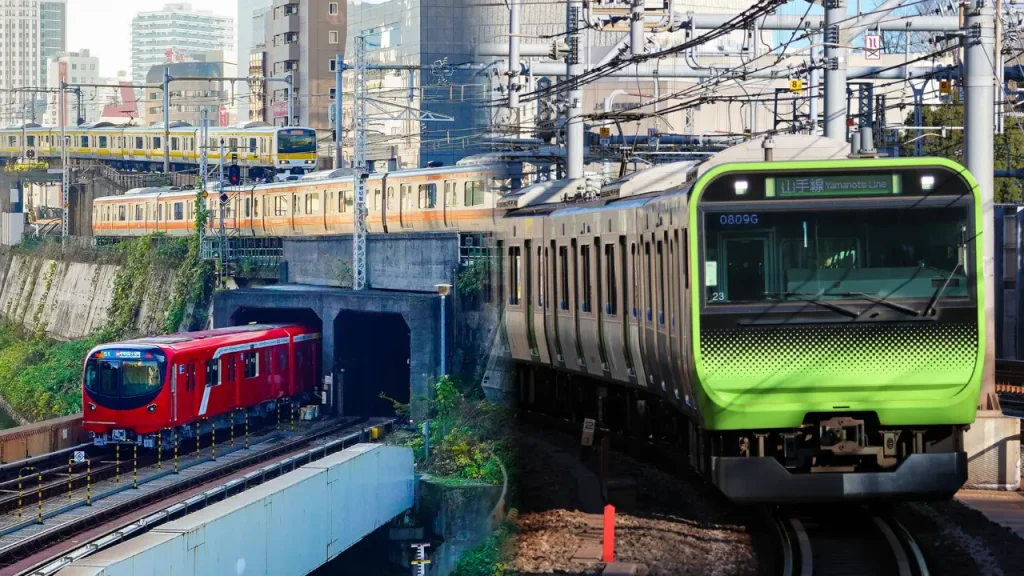
Tokyo has one of the most useful public transport networks in the world, but finding the right train pass can be surprisingly difficult because the network is divided between several separate operators.
Tokyo Metro, Toei Subway, JR East and the city’s many private railway companies all sell their own tickets, while only a small number of passes cover more than one operator.
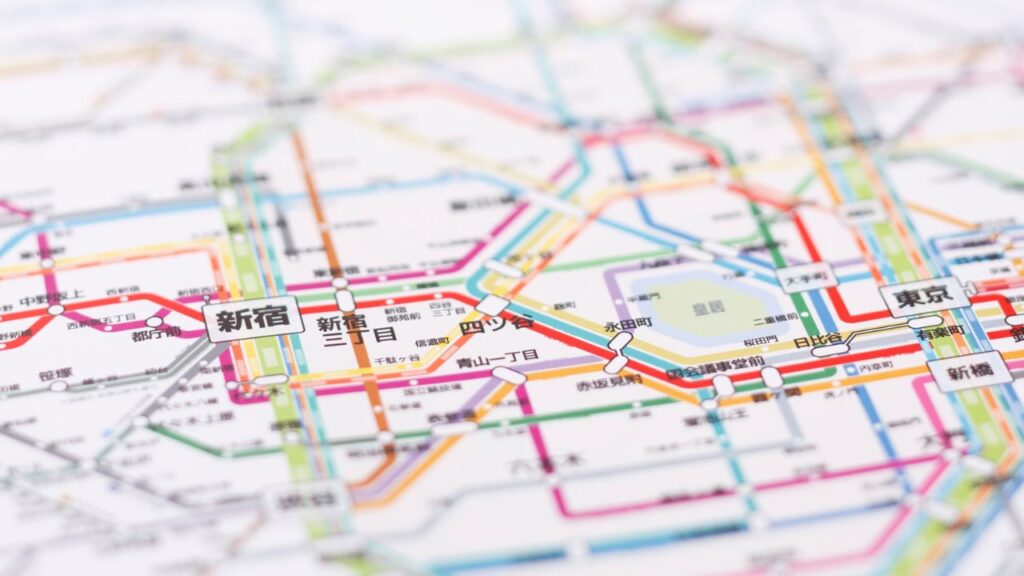
This means that the pass with the most extensive coverage is not always the cheapest option, and you may need something completely different depending on where you are staying and which parts of Tokyo you plan to visit.
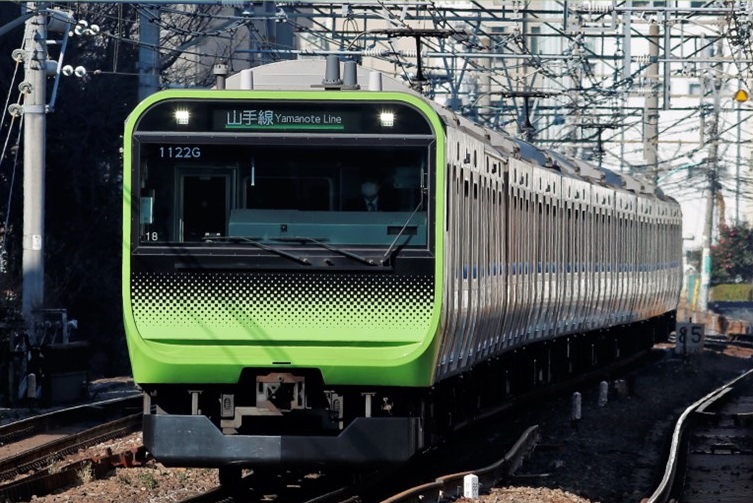
If your hotel is beside a Tokyo Metro station, for example, your ideal pass may be very different from the one you would choose if you plan to use the JR Yamanote Line every day.
The most important rule is to choose a pass around the journeys in your itinerary rather than changing your itinerary to fit a pass.
For most international visitors spending two or three sightseeing-heavy days in central Tokyo, the Tokyo Subway Ticket is likely to provide the best balance of price, coverage and flexibility.
If you plan to concentrate on JR stations, you may find the Tokyo Metropolitan District Pass more useful, while the more expensive Tokyo 1-Day Ticket can work well if you expect to mix JR trains, subways and buses throughout one particularly busy day.
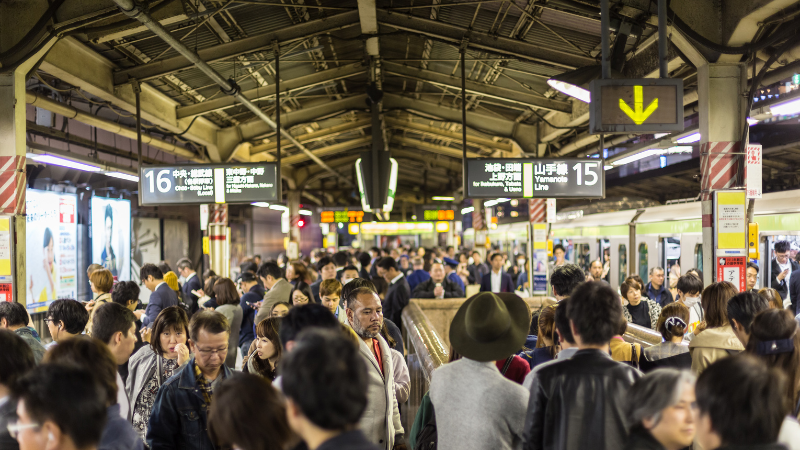
If you only expect to take a few journeys each day, you will usually be better served by a rechargeable Suica or PASMO card, as unlimited travel has little value when the pass costs more than your individual fares.
The prices in this guide were checked in July 2026, including changes introduced to several Tokyo passes on March 14, 2026.
Understanding Tokyo’s Rail Operators Before You Buy a Pass
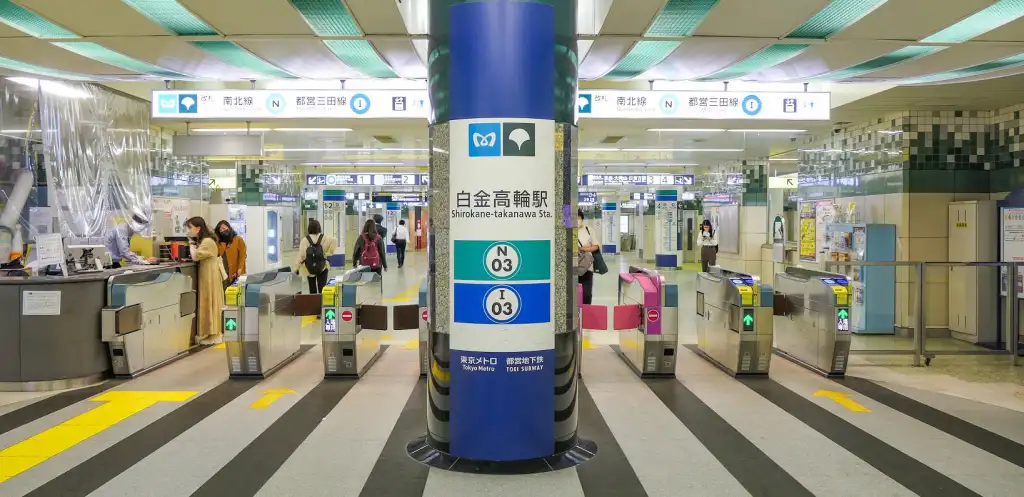
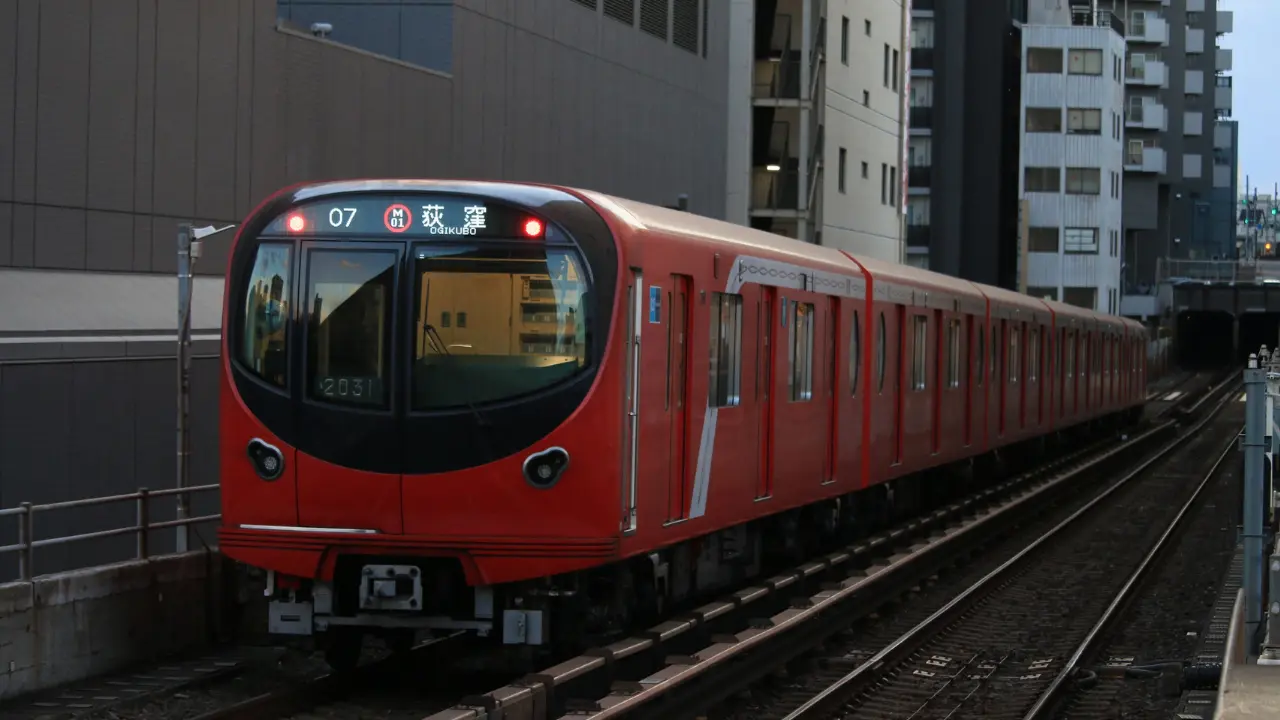
Tokyo Metro operates nine subway lines, including the Ginza, Marunouchi, Hibiya, Tozai, Chiyoda, Yurakucho, Hanzomon, Namboku and Fukutoshin lines.
Toei Subway is operated separately by the Tokyo Metropolitan Government and consists of the Asakusa, Mita, Shinjuku and Oedo lines.
Together, Tokyo Metro and Toei provide Tokyo’s 13 principal subway lines, but a Tokyo Metro-only ticket cannot normally be used on Toei services and a Toei-only pass cannot be used on Tokyo Metro.
JR East operates another extensive network that includes the Yamanote, Chuo, Sobu, Keihin-Tohoku, Saikyo and several other surface railway lines used throughout the metropolitan area.
Private operators including Tokyu, Keio, Odakyu, Seibu, Tobu, Keisei and Keikyu generally connect central Tokyo with residential neighborhoods, suburbs, airports and destinations in nearby prefectures.
You may occasionally board a train that continues directly from a subway line onto another company’s tracks, but your pass does not automatically remain valid simply because you stay on the same train.
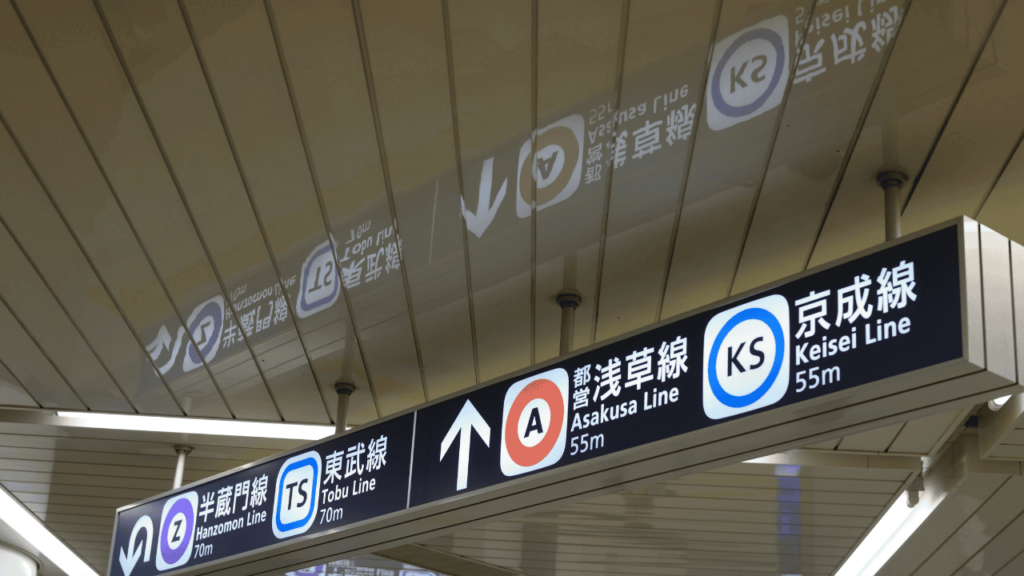
When your journey continues outside the area covered by your pass, you will normally need to pay for the uncovered section, making operator boundaries just as important as the route shown on a map.
A Suica or PASMO card handles these boundaries automatically by deducting the correct fare, while a limited-area pass may require you to make a fare adjustment at your destination.
Timed Passes and Calendar-Day Passes Are Not the Same
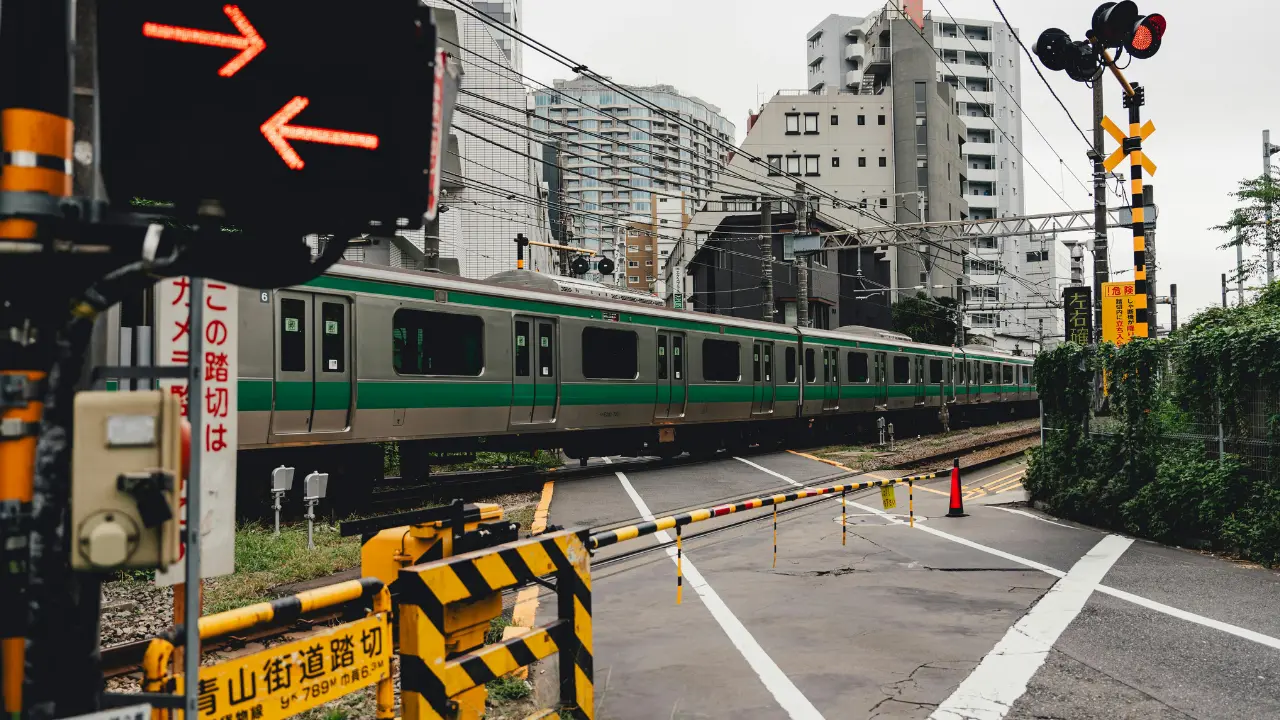
Some of Tokyo’s best-value tickets provide you with a full 24, 48 or 72 hours from the moment you first use them.
A 24-hour ticket activated at 4:00 pm can therefore remain valid until 4:00 pm the following day, which can be particularly useful on your arrival day or when you begin sightseeing later in the morning.
Other tickets are valid only for the specified calendar day, usually from the first train until the last train, so buying one late in the afternoon can significantly reduce its value.
The Tokyo Subway Ticket and Tokyo Metro 24-hour Ticket use timed validity, while the Common One-Day Ticket, Toei 1Day Pass, Tokyo Metropolitan District Pass and Tokyo 1-Day Ticket are essentially calendar-day tickets.
You should always check how validity is calculated before buying your pass, as the difference between a rolling 24-hour period and a calendar day can determine whether the ticket saves you money.
The Quick Recommendation
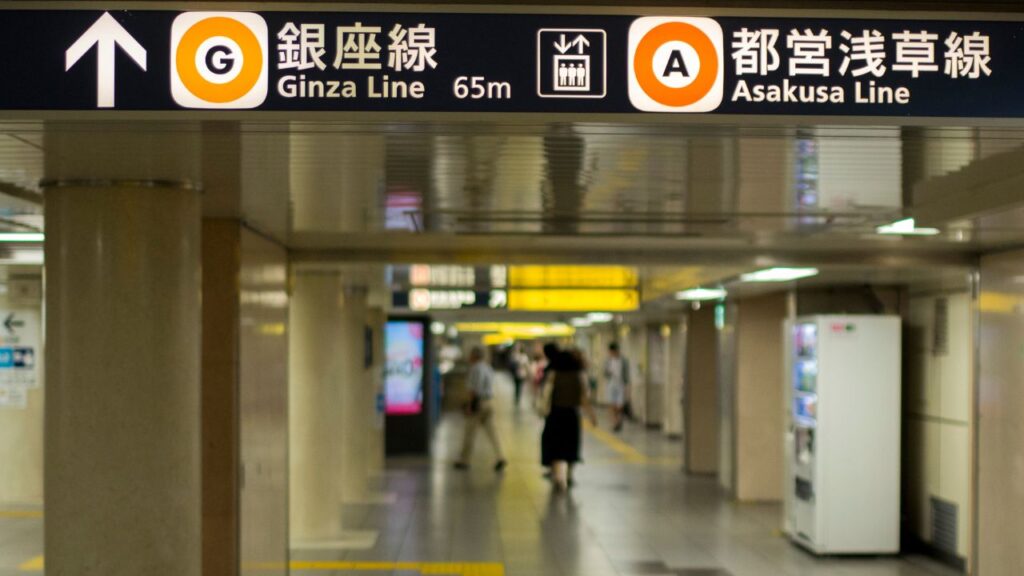
Choose the Tokyo Subway 72-hour Ticket if you are spending three busy days visiting central districts that can be reached using Tokyo Metro and Toei Subway.
Choose the Tokyo Metro 24-hour Ticket for one subway-heavy day when every station you plan to use is served by Tokyo Metro and you do not require Toei coverage.
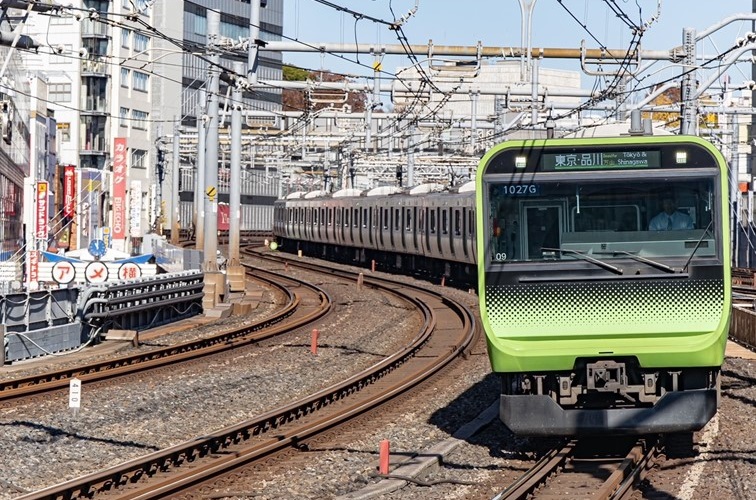
Choose the Tokyo Metropolitan District Pass when your itinerary is built mainly around JR stations such as Tokyo, Akihabara, Ueno, Ikebukuro, Shinjuku and Shibuya.
Choose the Common One-Day Ticket when you require both subway systems for one full calendar day and you are unable to purchase the visitor-focused Tokyo Subway Ticket.
Choose the Toei 1Day Pass when Toei subways, buses, the Tokyo Sakura Tram or the Nippori-Toneri Liner form the core of your day.
Choose the Tokyo 1-Day Ticket when your itinerary genuinely requires repeated journeys across JR, Tokyo Metro, Toei Subway and municipal transport on the same day.
Choose the Greater Tokyo Pass if you are planning five consecutive days of extensive travel on private railways around Tokyo, Yokohama and neighboring areas and the absence of JR coverage will not create a problem.
Choose the NONBIRI Holiday Suica Pass for a wide-ranging weekend or holiday journey using JR local trains, the Rinkai Line and Tokyo Monorail.
Choose the JR TOKYO Wide Pass only when you are taking substantial trips outside central Tokyo, as its price is difficult to justify for ordinary city sightseeing.
Use Suica, PASMO or another compatible transport IC card when you are travelling lightly, mixing several operators or prioritising convenience over unlimited rides.
Let’s take a look at the various passes available to visitors to Tokyo in more detail!
Tokyo Travel Passes
1. Tokyo Subway Ticket: The Best Overall Pass for Most Visitors
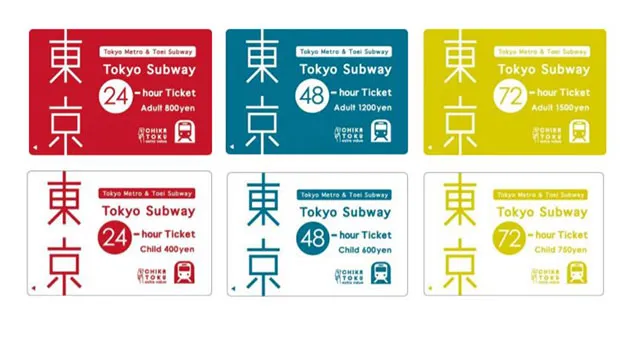
The Tokyo Subway Ticket provides you with unlimited travel on all Tokyo Metro and Toei Subway lines for 24, 48 or 72 consecutive hours from first use.
The adult 24-hour version costs ¥1,000 (approx. US$6.16/ £4.58), the 48-hour version costs ¥1,500 (approx. US$9.24/ £6.87) and the 72-hour version costs ¥2,000 (approx. US$12.32/ £9.15).
Child tickets cost ¥500 (approx. US$3.08/ £2.29), ¥750 (approx. US$4.62/ £3.43) and ¥1,000 (approx. US$6.16/ £4.58) respectively.

Its greatest advantage is that the validity is measured in hours rather than calendar days, allowing you to begin using it at almost any point without losing the remainder of your first day.
The 48-hour ticket effectively costs ¥750 per day, while the 72-hour ticket averages approximately ¥667 per day, making the longer versions significantly easier to justify than the 24-hour option.
Tokyo Metro’s ordinary paper fares currently range from ¥180 to ¥330 depending on distance, meaning the 24-hour Tokyo Subway Ticket will generally require you to make around four to six subway journeys before it becomes cheaper than individual tickets.

The 48-hour and 72-hour options can begin saving you money with fewer journeys per day because their average daily cost is lower.
This is particularly useful when your itinerary involves several districts each day rather than spending the entire day walking around one neighborhood.
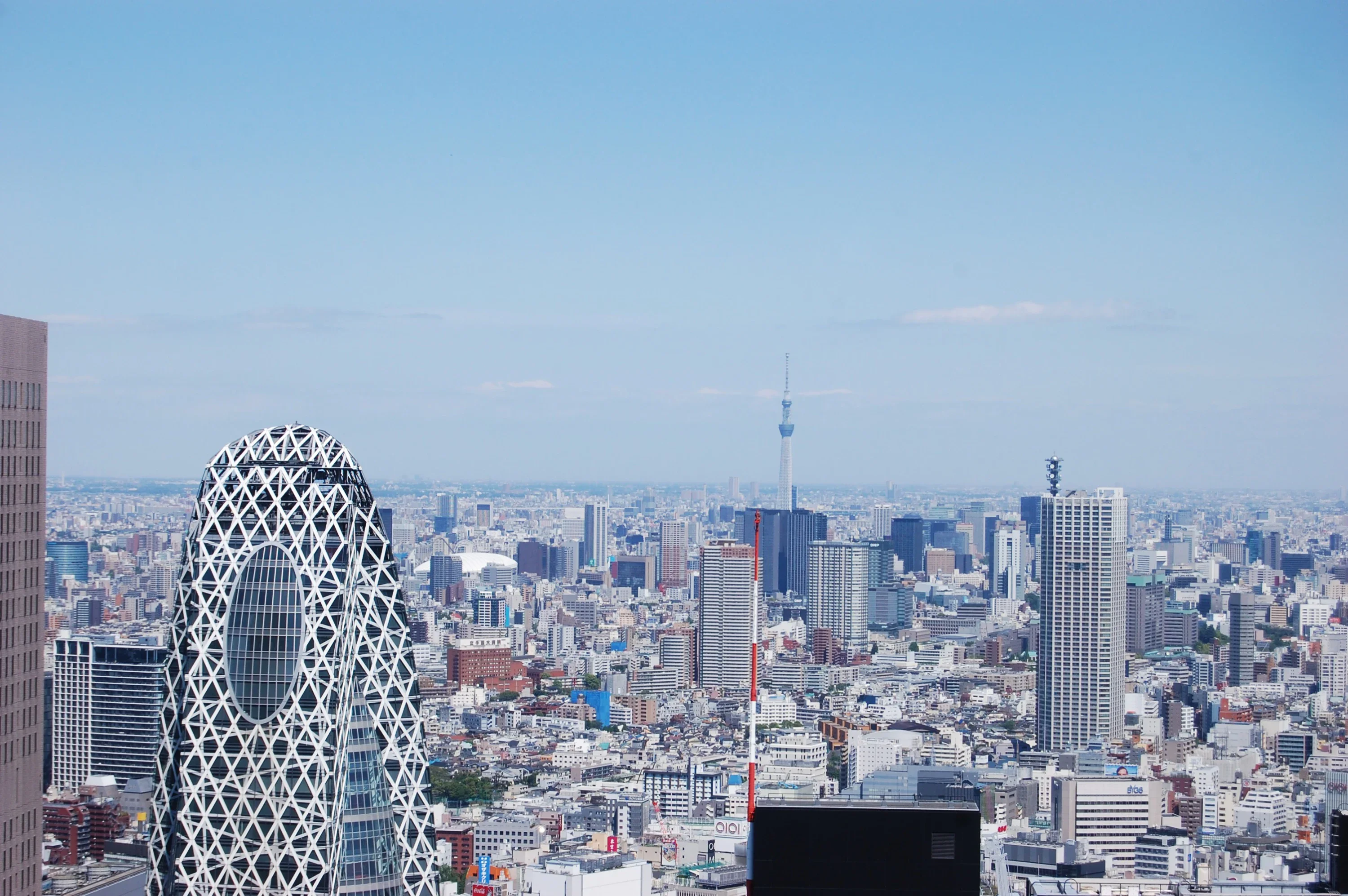
You can use the pass for journeys between areas such as Asakusa, Ueno, Ginza, Shibuya, Shinjuku, Roppongi, Ikebukuro and Oshiage without worrying about whether a particular subway belongs to Tokyo Metro or Toei.
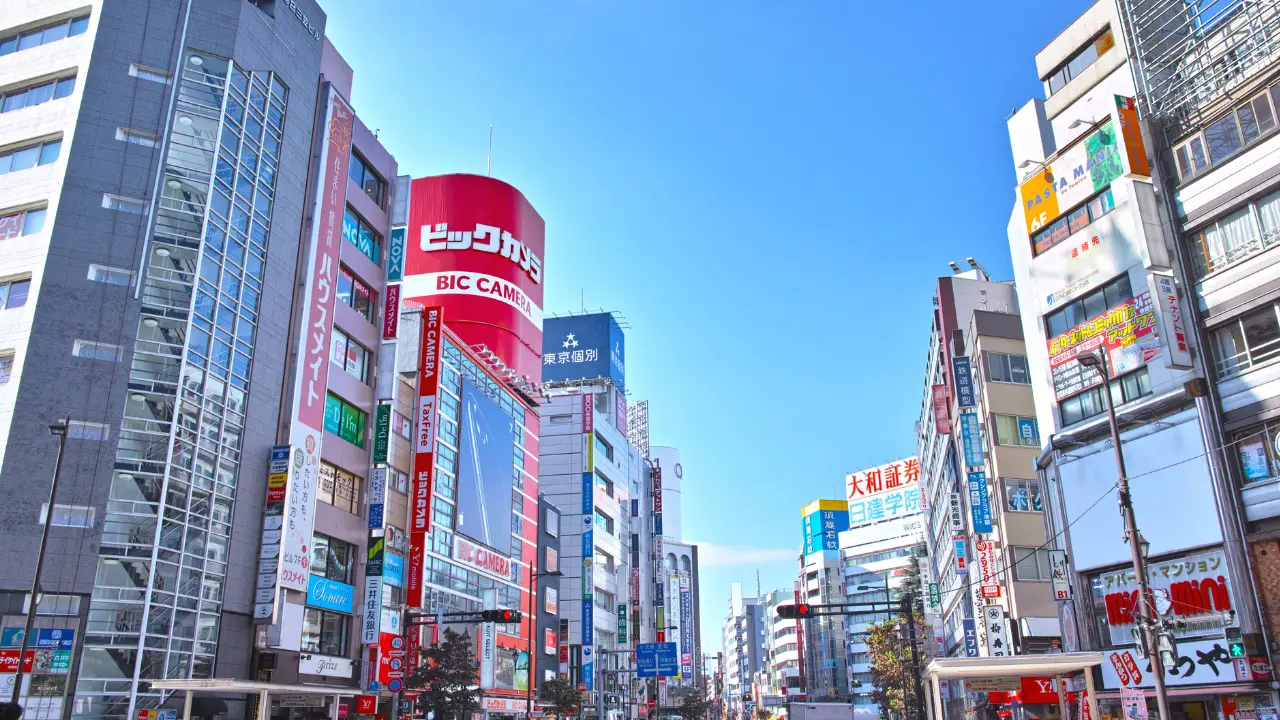
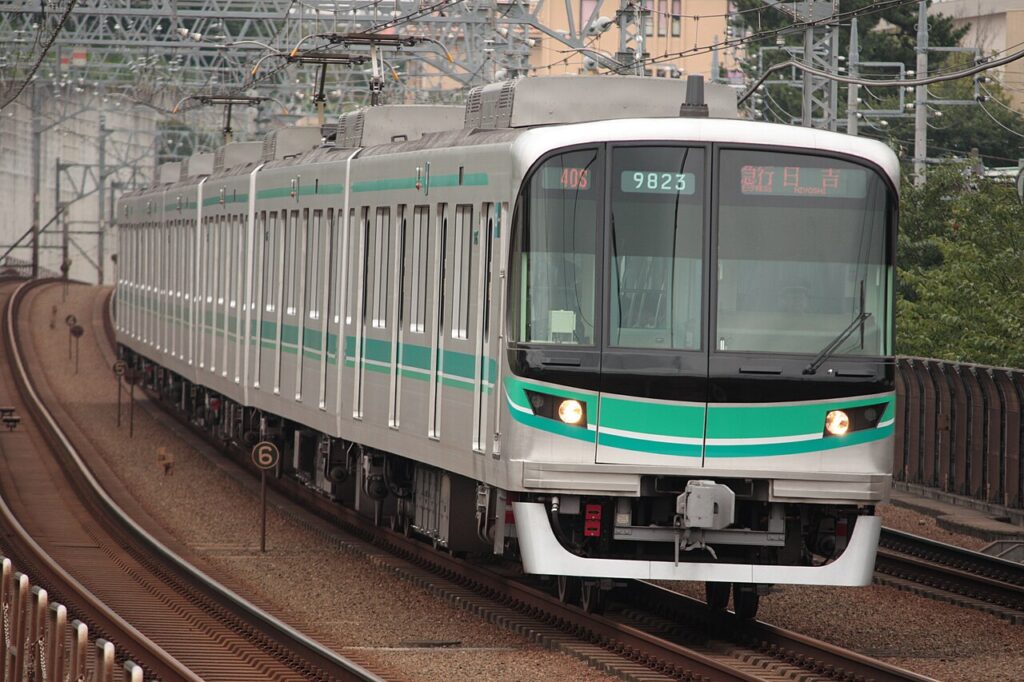
The pass does not cover JR services such as the Yamanote Line, private railways, the Rinkai Line, Tokyo Monorail or Yurikamome.
It also does not cover the portion of a through-running train that travels beyond Tokyo Metro or Toei tracks, so you may need to pay an additional fare when continuing into the suburbs.
The ticket is primarily offered to overseas visitors and domestic visitors who live outside Tokyo, Kanagawa, Saitama, Chiba, Ibaraki, Tochigi, Gunma and Yamanashi.
If you are visiting from overseas, you can purchase the ticket online, while physical sales locations include selected airport counters, tourist information centers, hotels and other authorized outlets.
Tokyo Metro and Toei also offer QR-based versions, allowing you to purchase and use the pass through your mobile device rather than relying entirely on a paper ticket.
This is our first recommendation for a typical three-day Tokyo itinerary because it removes the need to distinguish between the city’s two subway operators without charging you for regional railway coverage you may never use.
The 72-hour version offers the strongest value, but you should only purchase the 24-hour version when your itinerary contains enough journeys to exceed roughly ¥1,000 in ordinary fares.
2. Tokyo Metro 24-Hour Ticket: The Best Low-Cost City Pass

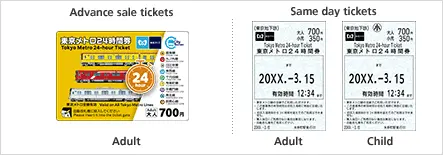
The Tokyo Metro 24-hour Ticket costs ¥700 for adults (approx. US$4.31/ £3.20) and ¥350 for children (approx. US$2.16/ £1.60).
It provides you with unlimited travel on all nine Tokyo Metro lines for 24 hours from first use, but it does not cover any of the four Toei Subway lines.
This is one of Tokyo’s easiest passes to make worthwhile because four journeys charged at the ¥180 minimum paper fare would cost ¥720.
Tokyo Metro notes that even four journeys within its lowest fare zone are enough for the pass to begin saving you money.
The ticket is particularly useful if your itinerary concentrates on stations served by the Ginza, Marunouchi, Hibiya, Chiyoda, Hanzomon, Fukutoshin or other Tokyo Metro lines.
Its weakness becomes apparent when your recommended route uses the Toei Oedo, Asakusa, Mita or Shinjuku line, as you will have to pay separately for each of those journeys.
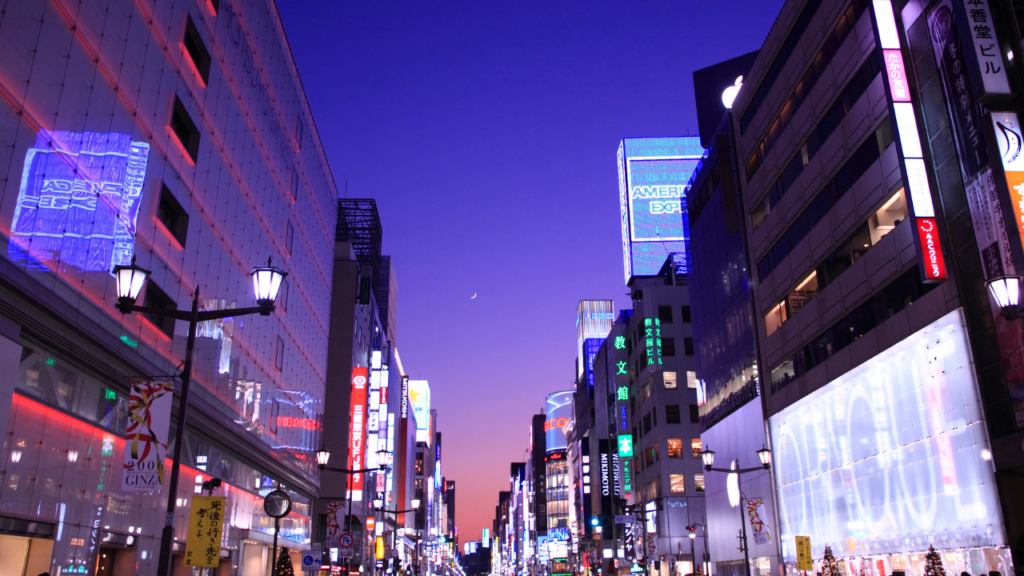
You can purchase paper tickets in advance through Tokyo Metro’s online store or buy a same-day ticket from a machine at a Tokyo Metro station.
An advance paper ticket remains usable for 24 hours from first use as long as you activate it within six months of purchase, while a same-day paper ticket must be activated on the date you buy it.
Tokyo Metro also sells an IC version for PASMO, although you cannot load it onto Suica, TOICA or other non-PASMO cards.

The IC version starts its 24-hour validity at the time of purchase rather than waiting for your first train journey, so you should not buy it long before you are ready to start using it.
A QR version is also available and begins from your selected travel starting time, making it more flexible if you prefer mobile ticketing.
This is the strongest one-day bargain when your route is almost entirely on Tokyo Metro, but paying the additional ¥300 for a 24-hour Tokyo Subway Ticket can be worthwhile if you plan to make several Toei journeys.
3. Tokyo Metropolitan District Pass: The Best JR Pass for Central Tokyo
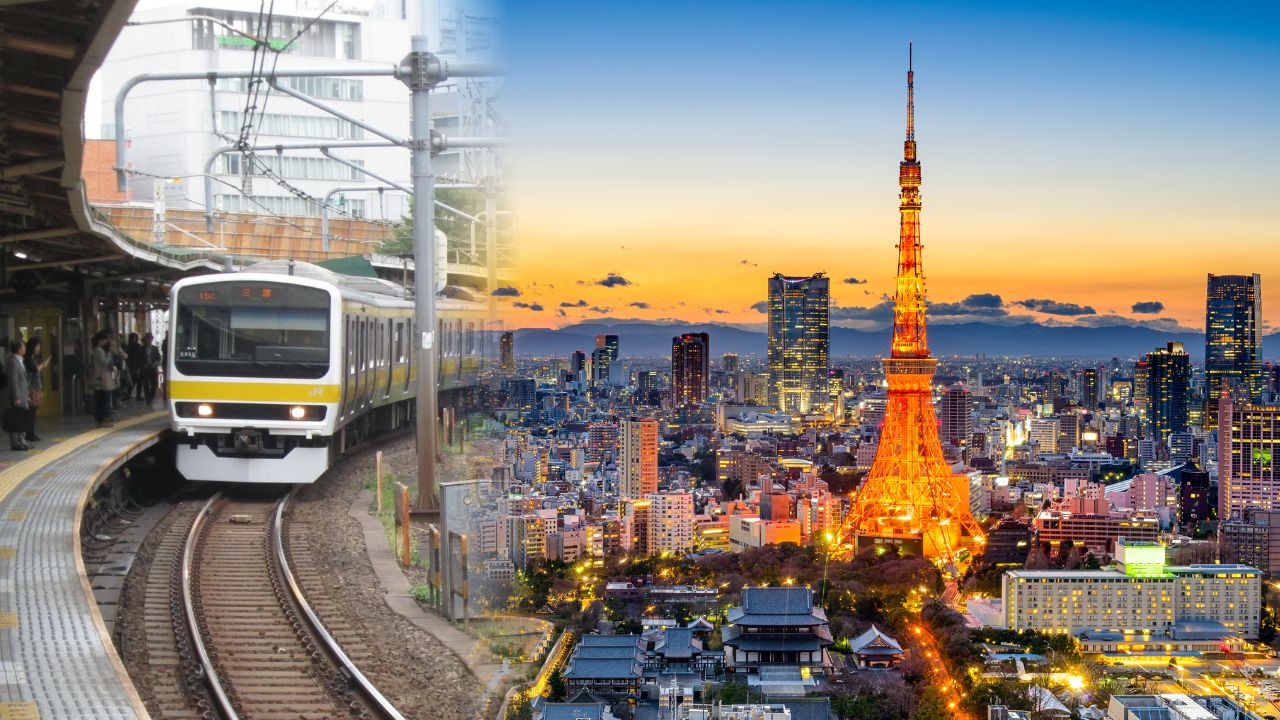
The Tokyo Metropolitan District Pass, commonly called the Tokunai Pass, costs ¥870 for adults (approx. US$5.36/ £3.98) and ¥430 for children (approx. US$2.65/ £1.97).
It gives you unlimited travel for one day in non-reserved ordinary cars on JR East local and rapid trains within Tokyo’s 23 wards.
This makes it the natural alternative to a subway pass when your itinerary revolves around JR routes.
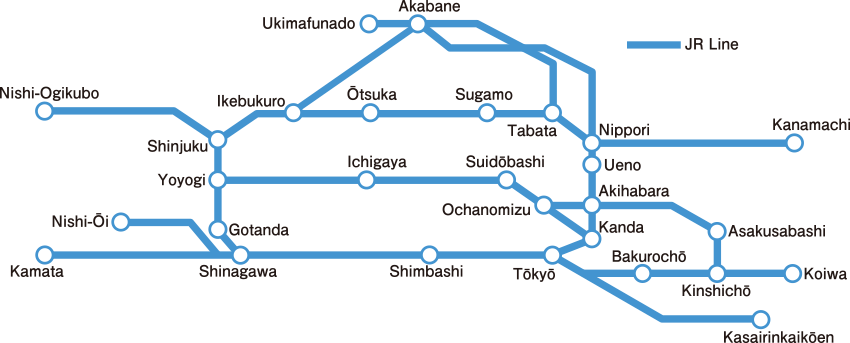
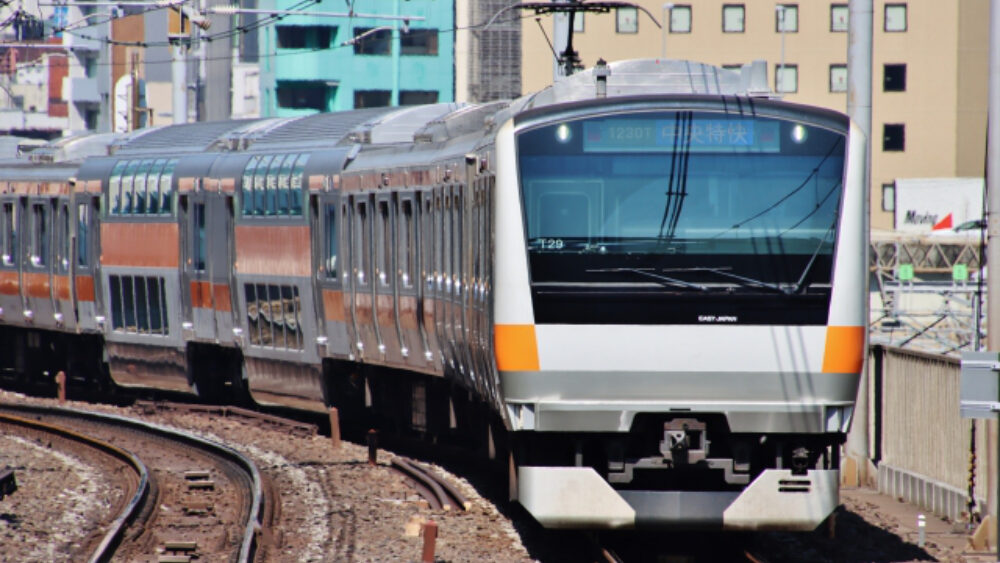
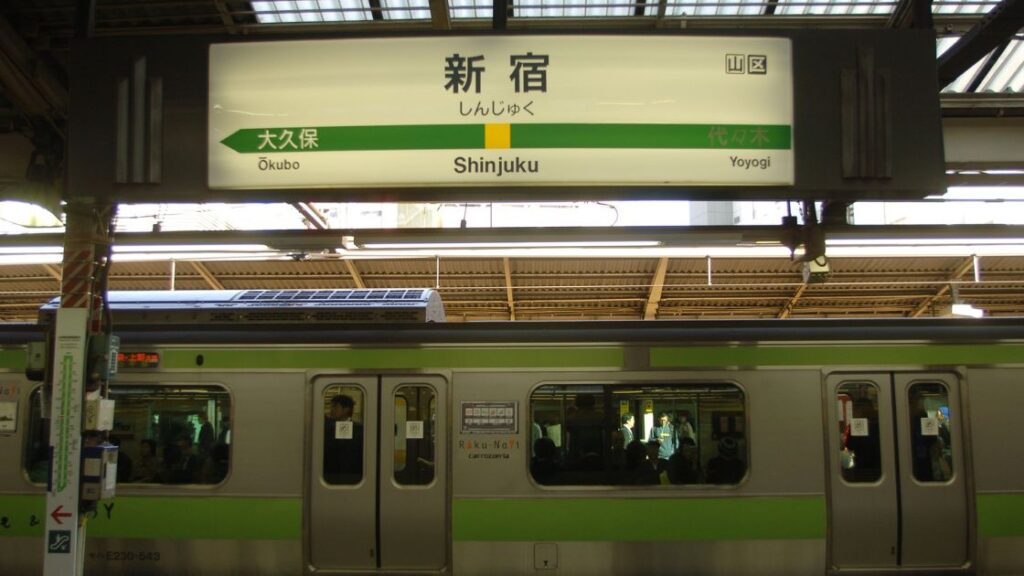
The Yamanote Line connects many of Tokyo’s major commercial centers, while the Chuo, Sobu, Keihin-Tohoku and other JR services can be faster than the subway for particular cross-city journeys.
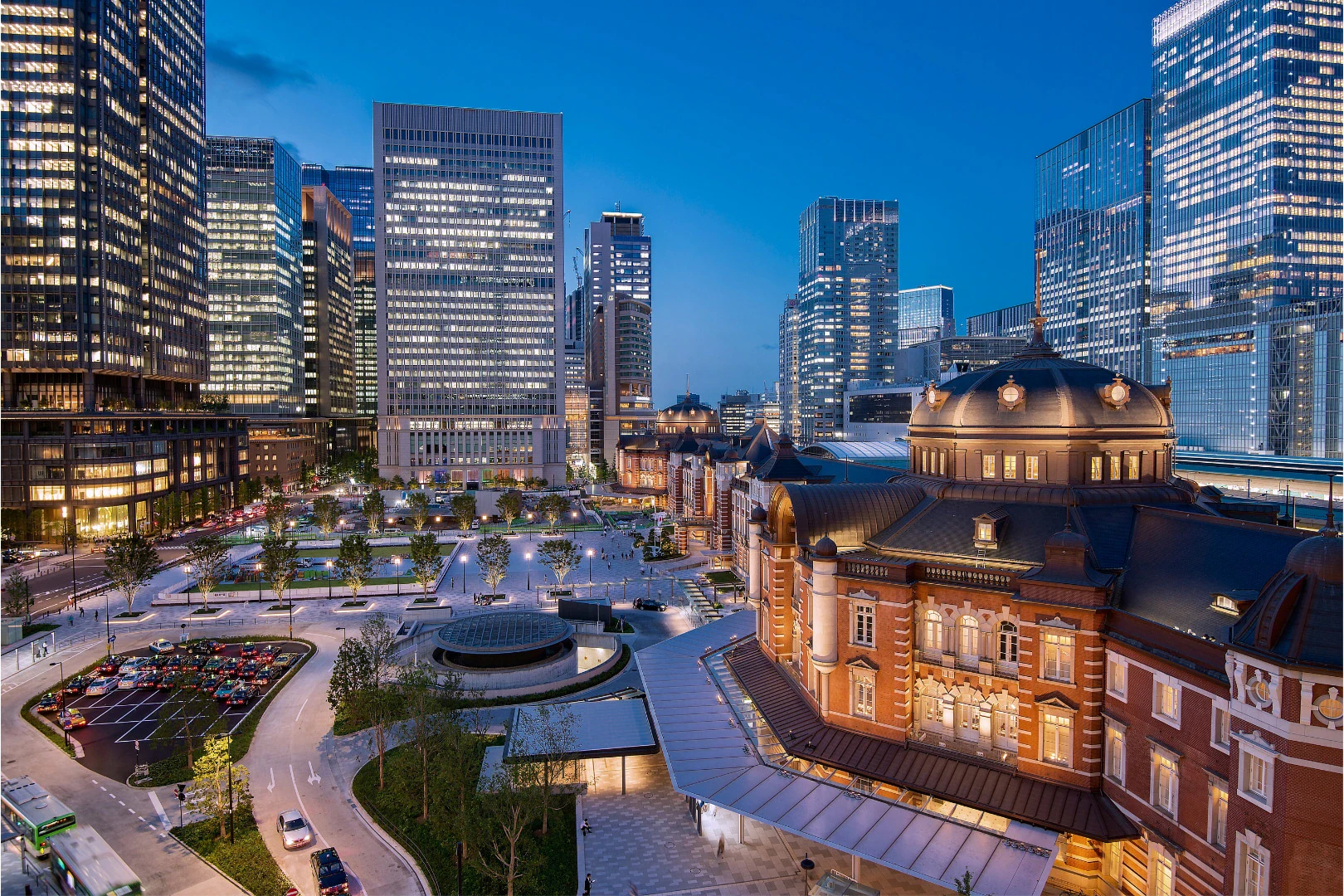
A day involving Tokyo Station, Akihabara, Ryogoku, Ueno, Ikebukuro, Shinjuku and Shibuya is the kind of route for which the Tokunai Pass was designed.
JR East provides a similar multi-stop itinerary as an example and estimates that the individual fares would total approximately ¥1,000, compared with the pass price of ¥870.
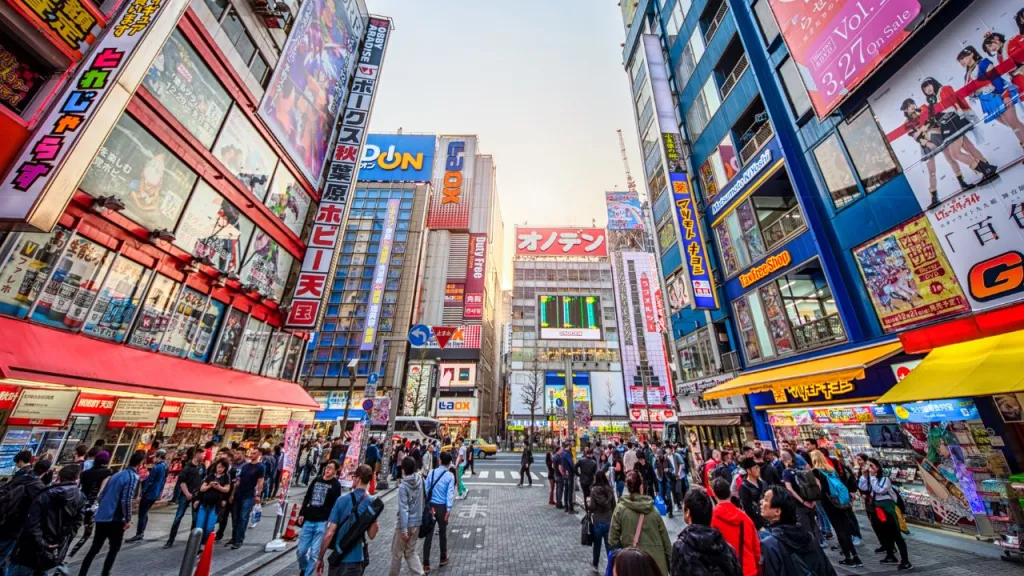
The pass is valid for one calendar day rather than 24 hours from activation, so you will receive the most value if you begin using it in the morning.
It does not cover Tokyo Metro, Toei Subway, private railways, the Rinkai Line, Yurikamome or Tokyo Monorail.
This limitation matters because some attractions that appear to be close to JR stations can be reached more directly by subway, which may tempt you to take a less efficient route simply to remain within the pass area.
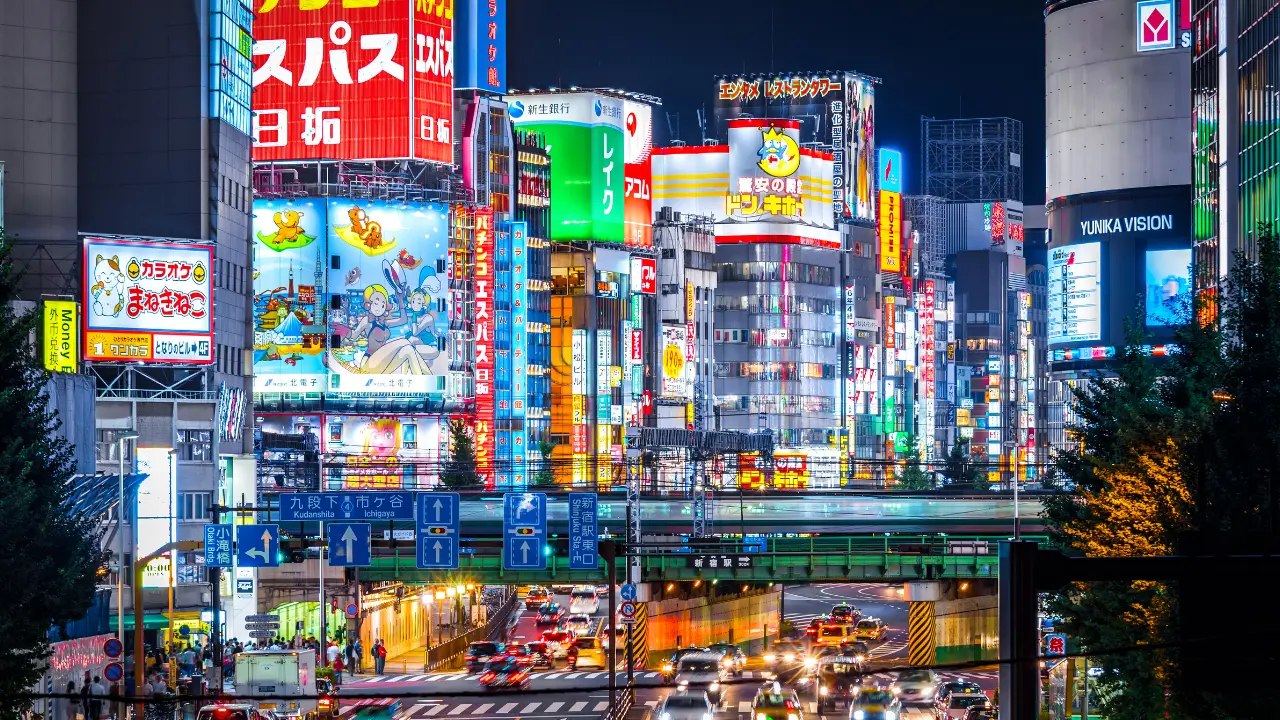
The Tokunai Pass is therefore excellent for a carefully planned JR day, but it is less useful when you want the freedom to take whichever train is fastest.
You can purchase it from JR East reserved-seat ticket machines within the covered area.
4. Common One-Day Ticket for Tokyo Metro and Toei Subway: The Best Easy-Purchase Subway Pass
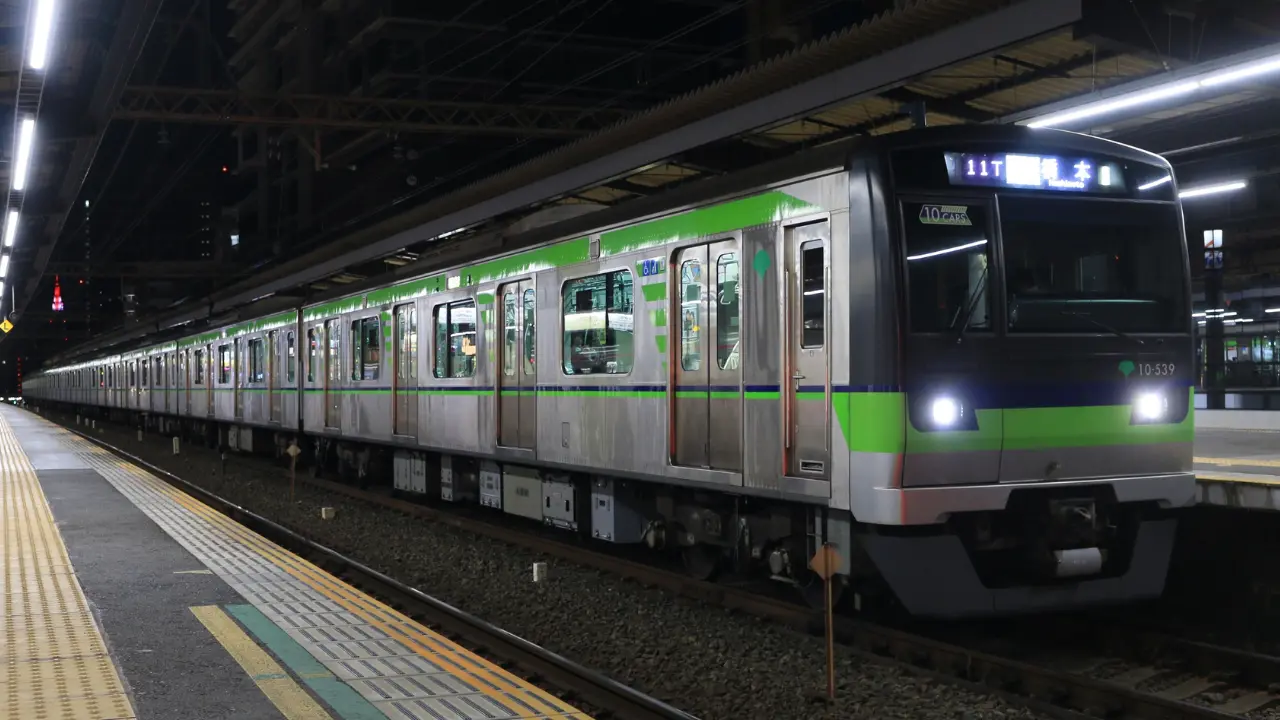
The Common One-Day Ticket costs ¥1,100 for adults (approx. US$6.78/ £5.04) and ¥550 for children (approx. US$3.39/ £2.52).
It provides you with unlimited travel on all Tokyo Metro and Toei Subway lines for one calendar day.
The coverage is effectively the same central subway coverage offered by the 24-hour Tokyo Subway Ticket, but the Common One-Day Ticket costs ¥100 more and expires at the end of the selected operating day rather than 24 hours after activation.
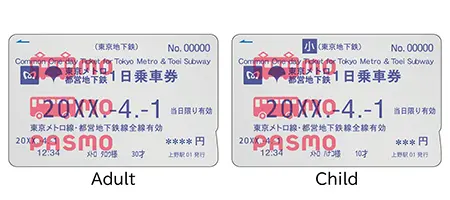
Its main advantage is availability, as you can buy a same-day ticket from machines at Tokyo Metro and Toei Subway stations without meeting the visitor eligibility conditions attached to the Tokyo Subway Ticket.
This makes it useful if you live in the region, are staying with friends in the Kanto area or did not arrange a visitor ticket before beginning your day.
You can also purchase an advance paper ticket at eligible Toei station offices and use it on one selected day within six months of purchase.
PASMO and QR versions are available, although the precise activation rules differ between the formats.
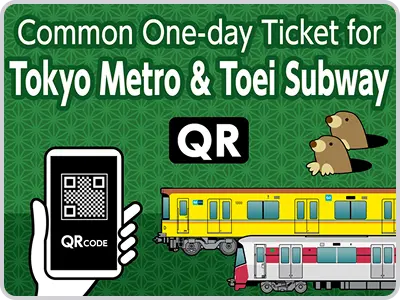
The PASMO version is valid from the first train until the last train on a day you select within one month of purchase, rather than for a rolling 24-hour period.
If you are eligible for the ¥1,000 Tokyo Subway 24-hour Ticket, that will usually be the better ticket, but the Common One-Day Ticket remains a valuable fallback that you can buy immediately at a station.
5. Toei 1Day Pass: The Best Pass for Subways, Buses and Tokyo’s Tram
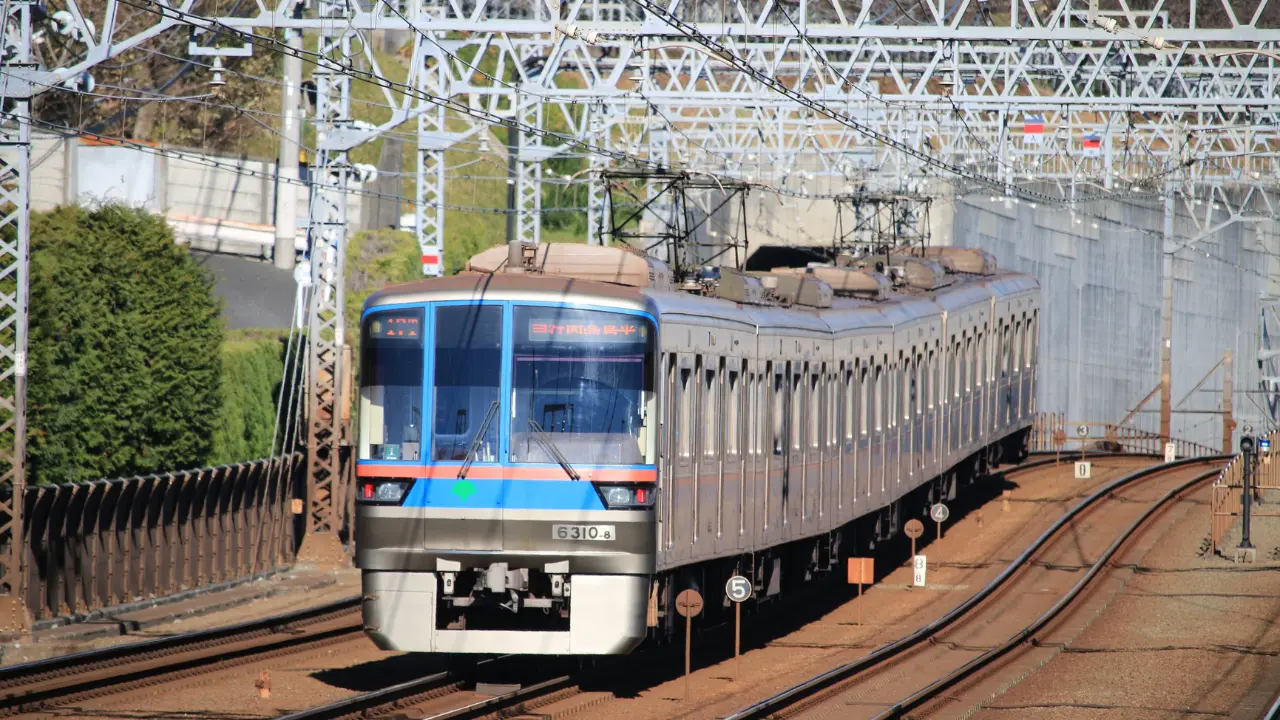
The Toei 1Day Pass costs ¥700 for adults (approx. US$4.31/ £3.20) and ¥350 for children (approx. US$2.16/ £1.60).
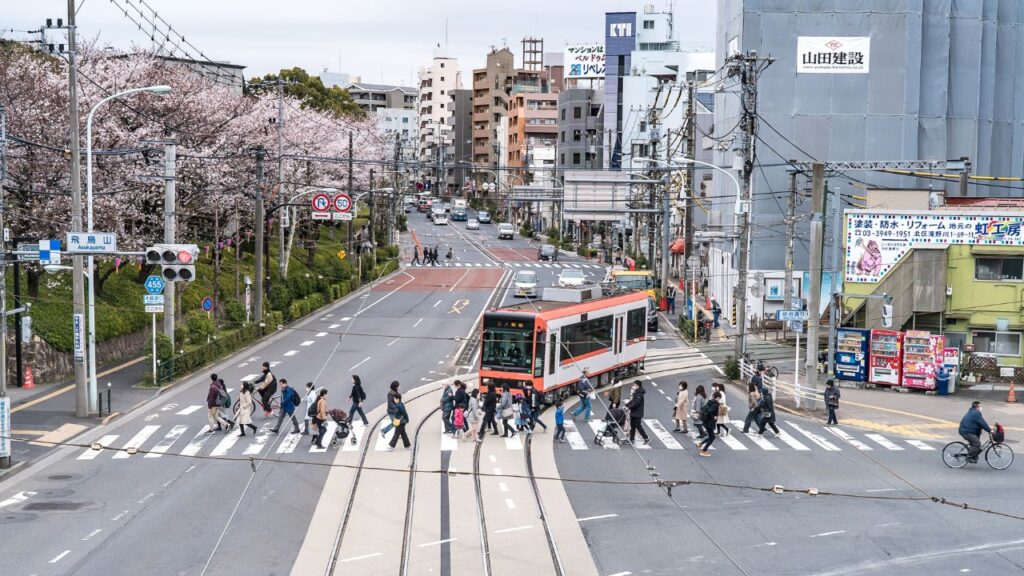
It covers all four Toei Subway lines, Toei buses including those in the Tama area, the Tokyo Sakura Tram and the Nippori-Toneri Liner for one day.
This combination gives it a different purpose from the Tokyo Metro 24-hour Ticket, as you can use buses and local transport rather than relying entirely on underground trains.

The Oedo Line’s broad loop, the Asakusa Line’s north-south connections and the city’s extensive Toei bus network can make the pass surprisingly versatile when you plan your day around them.
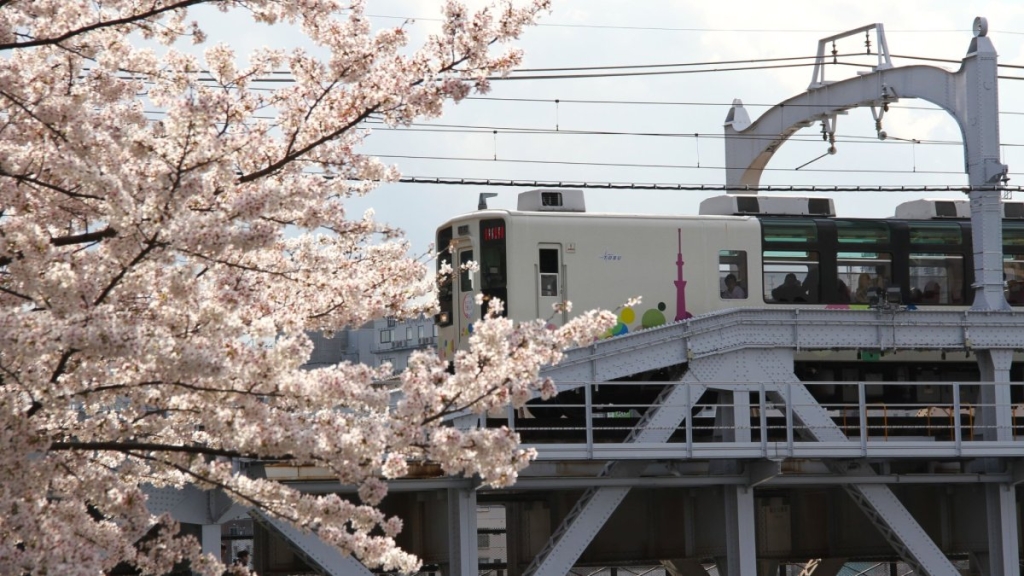
The Tokyo Sakura Tram, also known as the Toden Arakawa Line, gives you a slower and more neighborhood-focused journey through northern Tokyo that differs considerably from standard subway sightseeing.
The pass is valid for the day of use rather than a rolling 24-hour period.
You can use an advance ticket on one day within six months of sale, while same-day tickets are available from Toei Subway machines and other Toei sales locations.
If you first use an advance ticket on a bus or tram, you must date-stamp it using the designated machine before showing it to the driver.
You may also receive selected discounts or benefits at participating locations along the network while your pass remains valid.
The pass does not cover Tokyo Metro or JR trains, so you should check every station in your itinerary before buying it.
Toei also sells a bus-only day pass for ¥500 per adult (approx. US$3.08/ £2.29) and ¥250 per child (approx. US$1.54/ £1.14), covering Toei buses in Tokyo’s 23 wards for the day of purchase.
A Tokyo Sakura Tram-only pass costs ¥400 per adult (approx. US$2.46/ £1.83) and ¥200 per child (approx. US$1.23/ £0.92).
These smaller tickets may be better than the full Toei pass if you deliberately focus your itinerary on one form of transport.
6. Tokyo 1-Day Ticket: The Broadest Pass for Central Tokyo
The Tokyo 1-Day Ticket, also known as the Tokyo Combination Ticket or Tokyo Free Kippu, costs ¥1,720 for adults (approx. US$10.59/ £7.87) and ¥860 for children (approx. US$5.30/ £3.94).
It covers JR East local and rapid trains within Tokyo’s 23 wards, every Tokyo Metro and Toei Subway line, Toei buses, the Tokyo Sakura Tram and the Nippori-Toneri Liner for one day.
This is the closest Tokyo has to a comprehensive central-city transport pass, but it is also expensive enough that you may struggle to recover its cost during a casual sightseeing day.
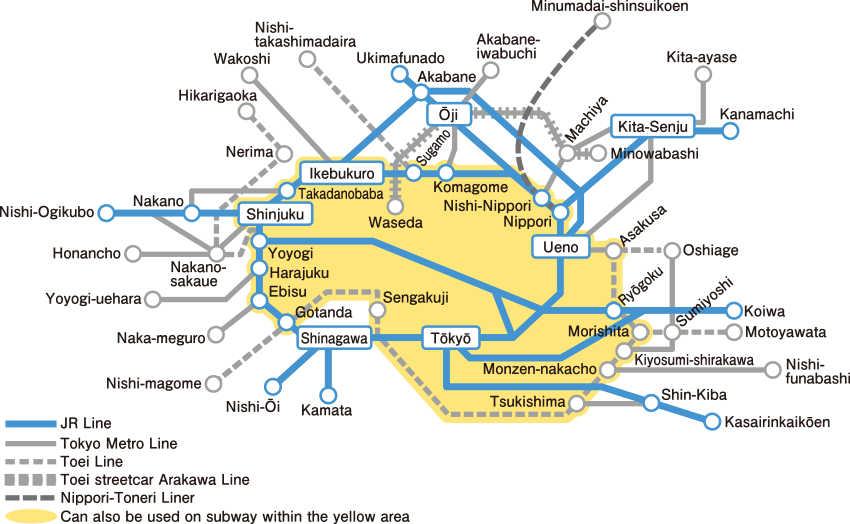
The ticket begins to make sense when your day includes numerous journeys split between JR, both subway systems and municipal buses.
If you only plan to use the Yamanote Line, you will usually be better with the ¥870 Tokunai Pass, while a subway-only itinerary will generally cost less with one of the ¥1,000 or ¥1,100 subway tickets.
The Tokyo 1-Day Ticket earns its premium by allowing you to choose between covered operators throughout the day without purchasing several separate passes.
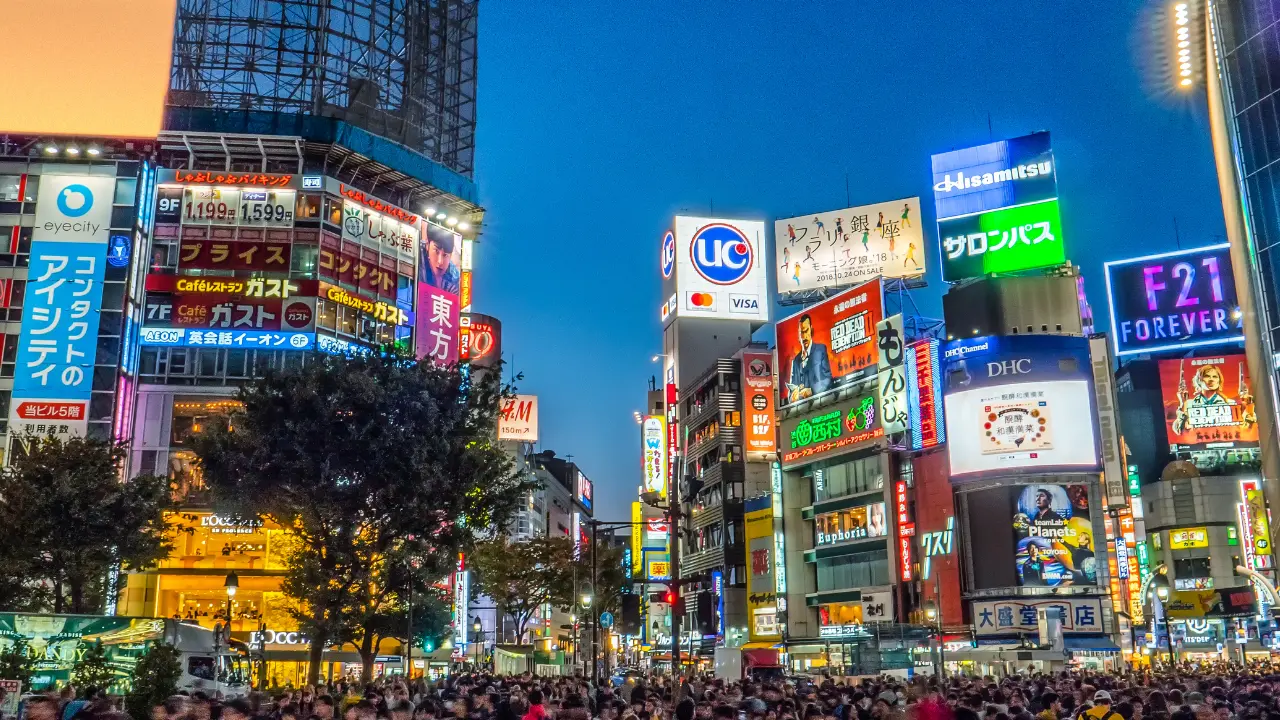
It does not cover every railway in the city, as private operators, Yurikamome, the Rinkai Line and Tokyo Monorail remain outside its central coverage.
Even with this ticket, you may need to pay additional fares if your itinerary includes Odaiba, Haneda Airport or suburban destinations served by private railways.
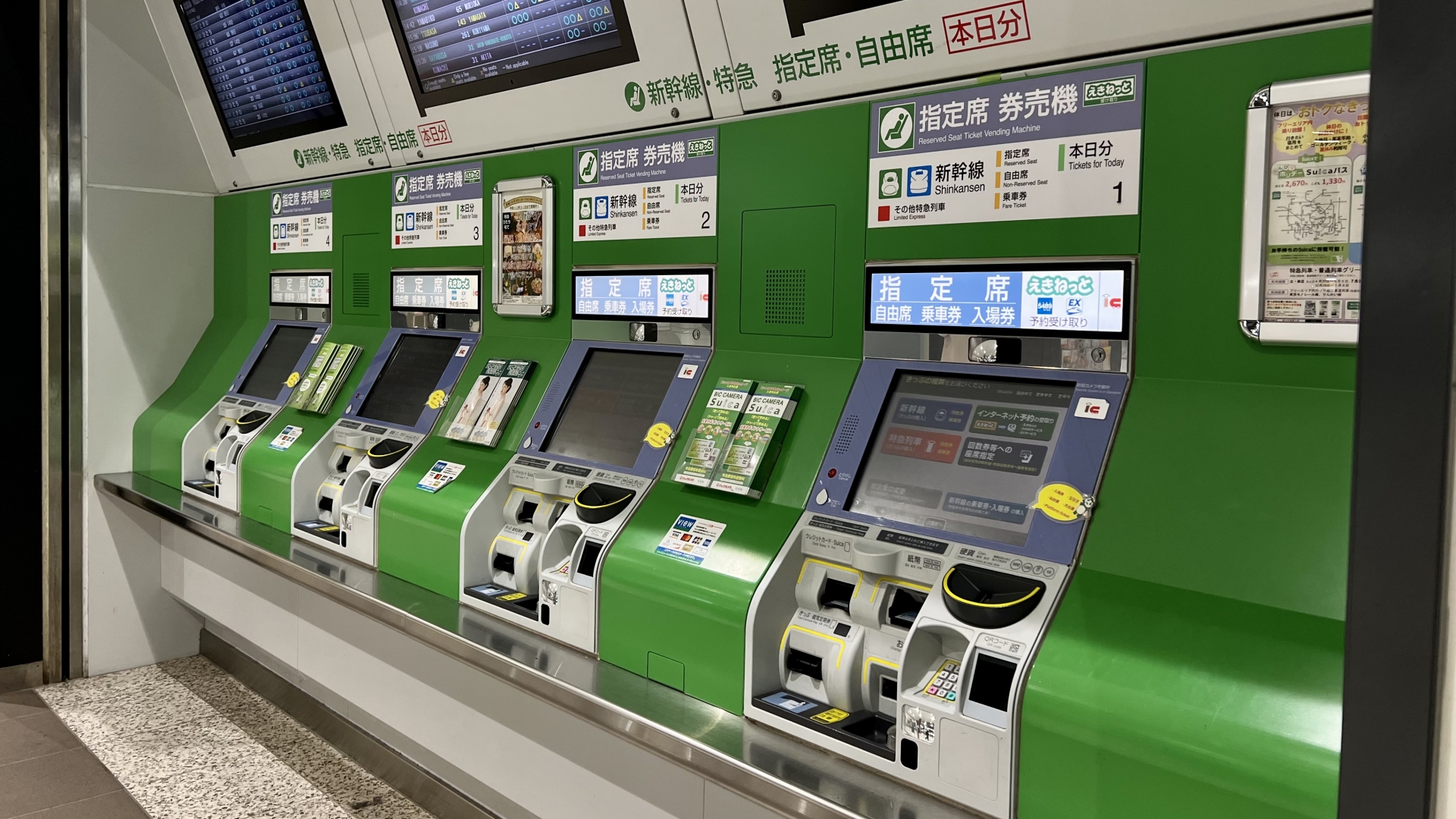
The ticket is valid for a calendar day and can be purchased from JR East reserved-seat ticket machines within the coverage area.
This is the most flexible central Tokyo pass, but our recommendation is to treat it as a specialist ticket for an unusually transport-heavy day rather than the automatic choice for your first visit.
7. Tokyu Line 1-Day Pass: The Best Option for Southwest Tokyo
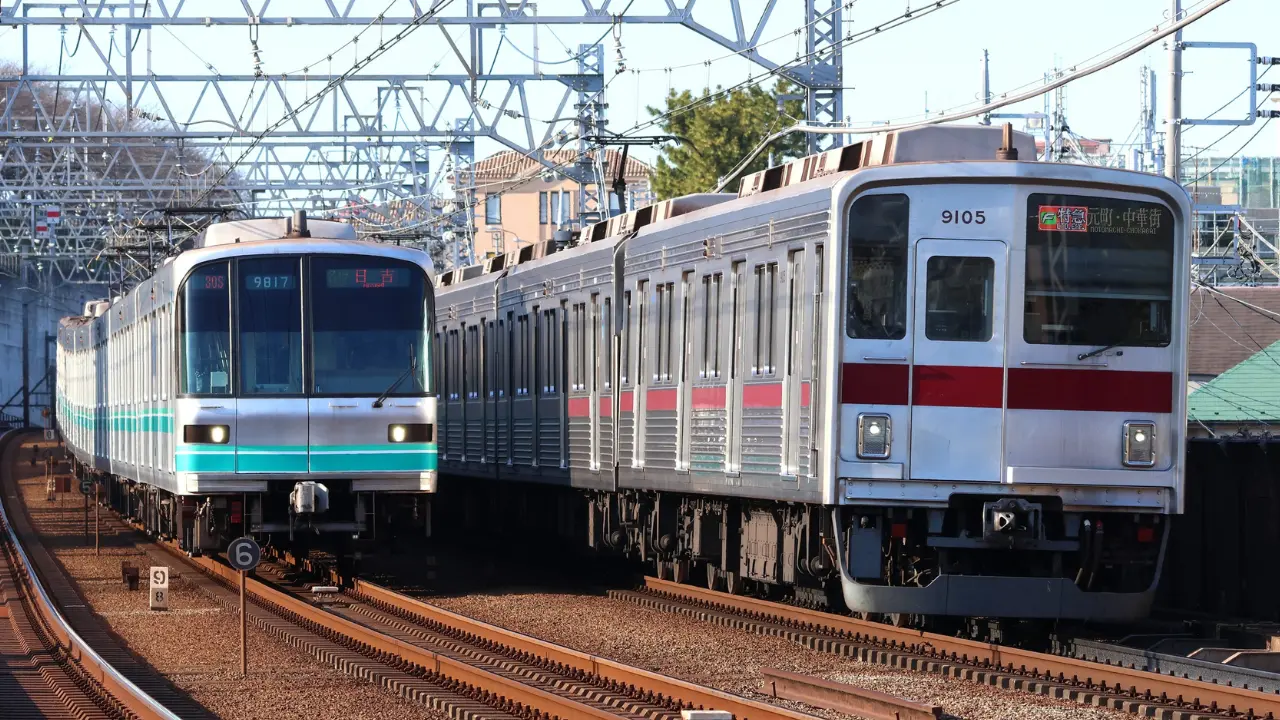
The Tokyu Line 1-Day Pass costs ¥780 for adults (approx. US$4.80/ £3.57) and ¥390 for children (approx. US$2.40/ £1.79).
It provides you with unlimited travel for one day on Tokyu’s Toyoko, Meguro, Den-en-toshi, Oimachi, Ikegami, Tokyu Tamagawa, Setagaya, Kodomonokuni and Tokyu Shin-Yokohama lines.
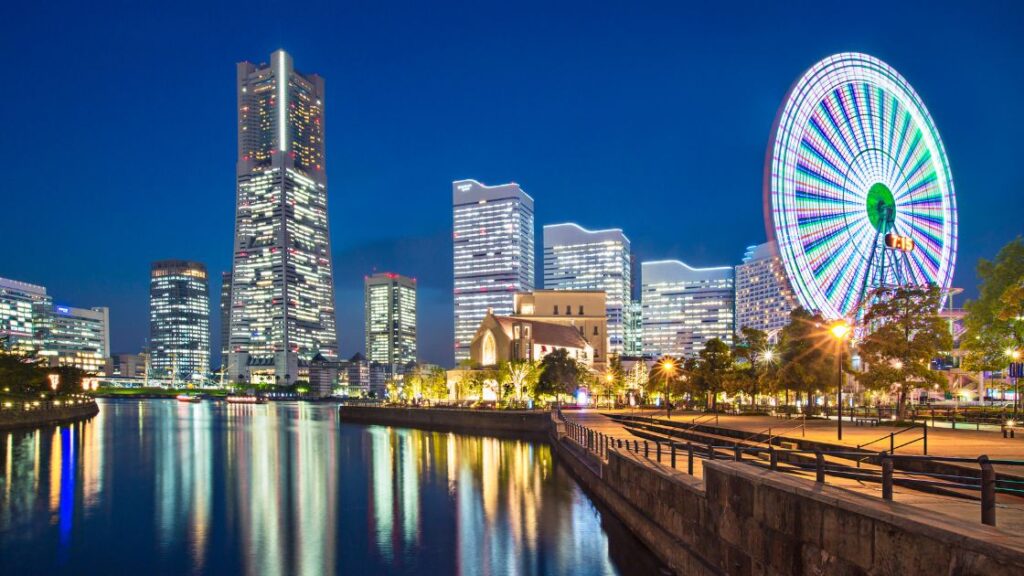
The pass is useful if you want to explore neighborhoods to the south and west of central Tokyo, including areas around Shibuya, Daikanyama, Jiyugaoka, Futako-Tamagawa, Sangenjaya and Kamata.

You can also use it on Tokyu services reaching Yokohama and Shin-Yokohama, although you may need to pay an additional fare when continuing beyond Tokyu’s own network.
This distinction is particularly important when your train continues directly from the Toyoko Line onto the Minatomirai Line or from another Tokyu route into Tokyo Metro and neighboring railway networks.
You can buy paper and IC versions from the first train until 10:30 pm at Tokyu ticket machines, excluding machines on the Setagaya and Kodomonokuni lines.
A Q SKIP digital version can generally be purchased at any time outside maintenance periods.
Tokyu also offers the narrower Triangle Pass for unlimited one-day travel around the Shibuya, Jiyugaoka and Futako-Tamagawa triangle.
The Triangle Pass costs ¥470 for adults (approx. US$2.90/ £2.15) and ¥240 for children (approx. US$1.48/ £1.10).

It is one of the cheapest sightseeing passes in Tokyo and can be excellent if you want a relaxed day focused on cafes, shopping streets and residential neighborhoods rather than repeatedly moving between major landmarks.
Neither Tokyu ticket covers JR trains or general Tokyo subway travel, so you should consider them neighborhood passes rather than replacements for a central Tokyo ticket.
8. NONBIRI Holiday Suica Pass: The Best Wide-Area Weekend Pass
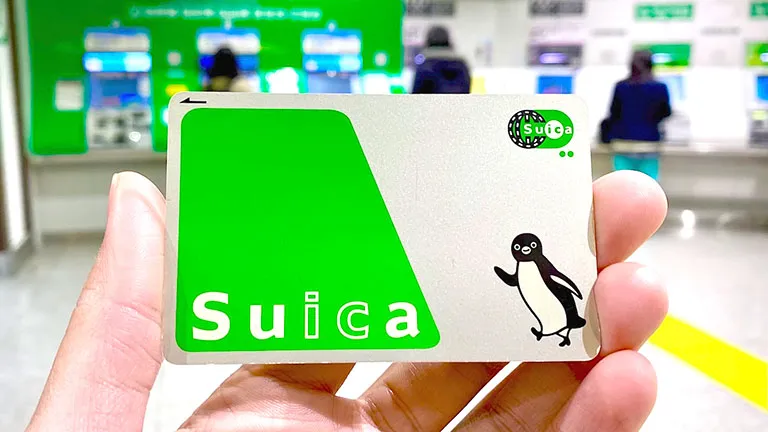
The NONBIRI Holiday Suica Pass costs ¥2,850 for adults (approx. US$17.56/ £13.05) and ¥1,420 for children (approx. US$8.75/ £6.50).
It provides you with unlimited one-day travel in non-reserved seats on local and rapid JR trains within its designated zone, together with the Rinkai Line and Tokyo Monorail.
You can only load the pass onto a compatible Suica, after which you can use the card’s normal tap-in and tap-out functionality.
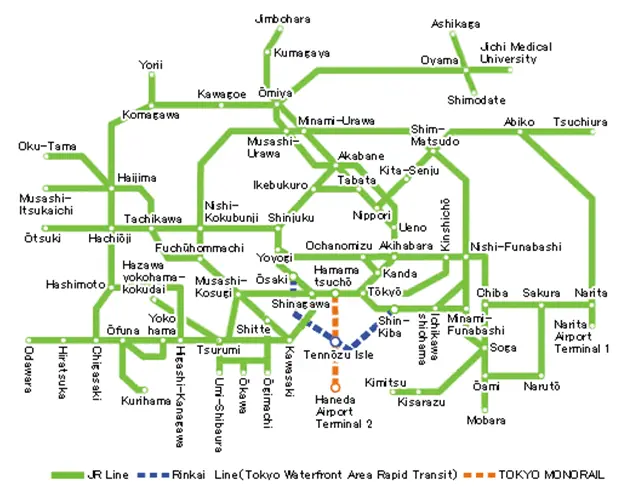
If you travel beyond the covered area, the additional fare can be deducted automatically from the remaining stored balance on your Suica.
You cannot use the pass on the Shinkansen, although you can use limited express trains when you purchase the relevant limited express or reserved-seat ticket separately.
Its coverage extends far beyond the central Tokunai Pass area, making it suitable if you want to visit destinations around Tokyo, Yokohama, Kamakura and other parts of the metropolitan region.
JR East provides a Tokyo to Ashikaga Flower Park return journey as an example, with ordinary fares of approximately ¥4,180 compared with the ¥2,850 pass price.
The ticket is available on weekends, national holidays and selected peak travel periods, including April 29 to May 5, July 20 to August 31 and December 29 to January 3.
It is not a sensible purchase if you are spending the entire day inside central Tokyo, but it can provide strong value when you combine a longer return journey with several intermediate stops.
9. Greater Tokyo Pass: The Best Five-Day Private Railway Pass
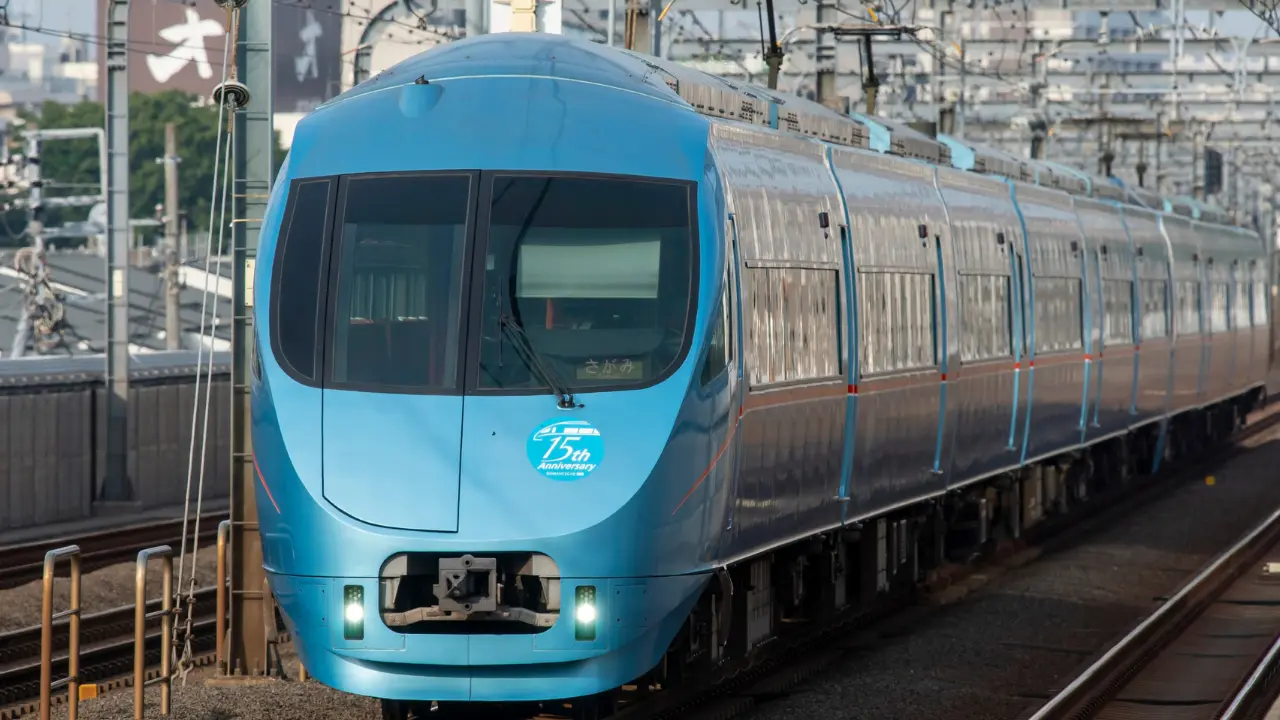
The Greater Tokyo Pass costs ¥6,500 for adults (approx. US$40.04/ £29.75) and ¥3,250 for children (approx. US$20.02/ £14.88) for five consecutive days.
That produces an average adult cost of ¥1,300 per day, but the pass becomes worthwhile only when you make extensive use of its unusually broad private railway coverage.
The participating rail and tram operators are Odakyu, Keio, Keisei, Keikyu, Sagami Railway, Seibu, Tokyu, Tokyo Metro, Toei, Tobu, Yokohama Minatomirai Railway, the Yokohama Municipal Subway and Yurikamome.
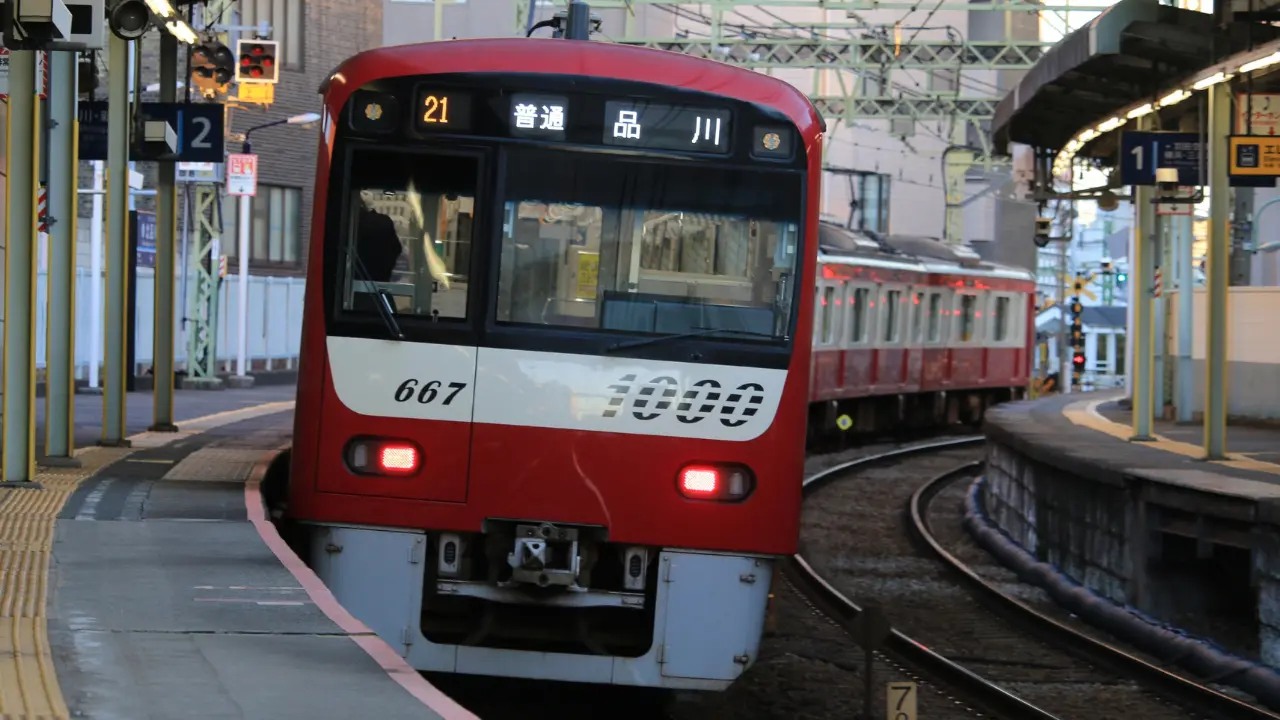
The pass also covers regular Toei bus routes, excluding community buses and services operated by other companies.
You can therefore use it for journeys to places such as Yokohama, Kawagoe, Mount Takao, Narita Airport, the Miura Peninsula and numerous suburban districts, depending on the services you select.
Its major exclusion is JR East, meaning you cannot use it on the Yamanote Line, Chuo Line, Sobu Line or most other JR services.
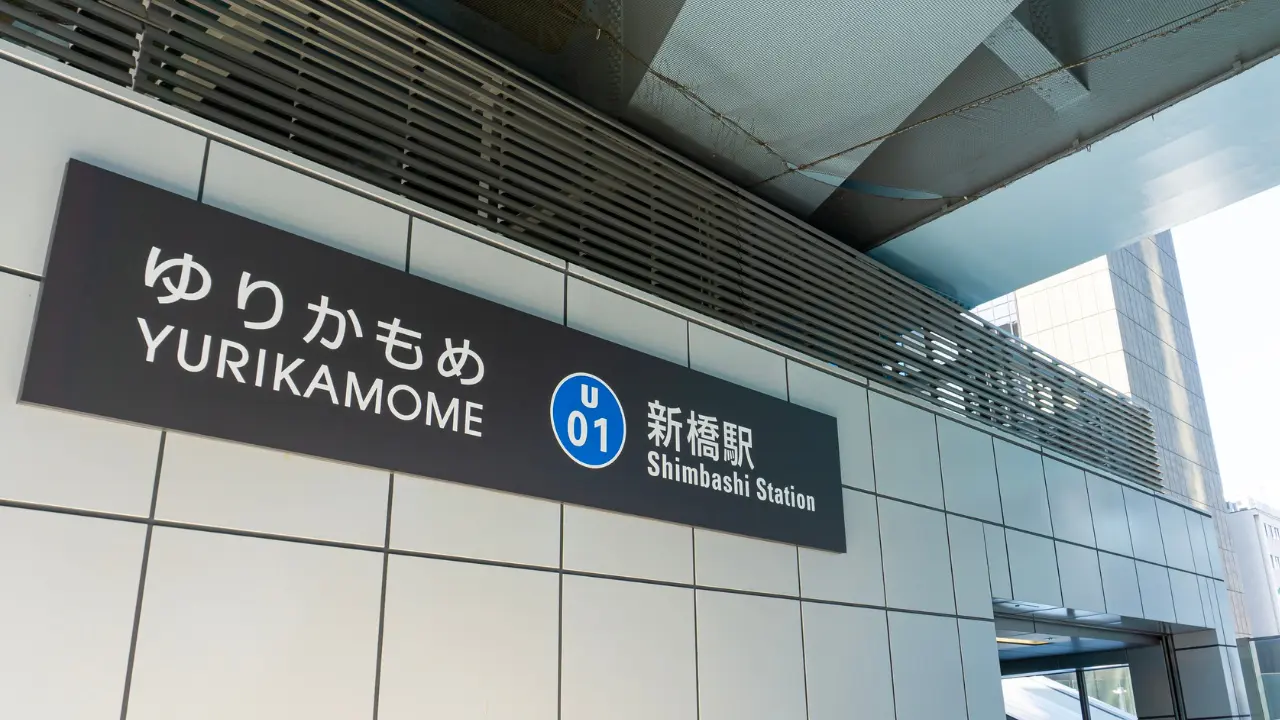
The Rinkai Line and Tokyo Monorail are also absent, despite their importance for journeys to Odaiba and Haneda Airport.
The pass is intended for non-Japanese visitors and must be purchased using an eligible overseas payment method or through a qualifying non-Japanese-language sales channel.
Validity begins with your first use and covers five consecutive operating days, with each day defined as 3:00 am to 2:59 am the following morning.
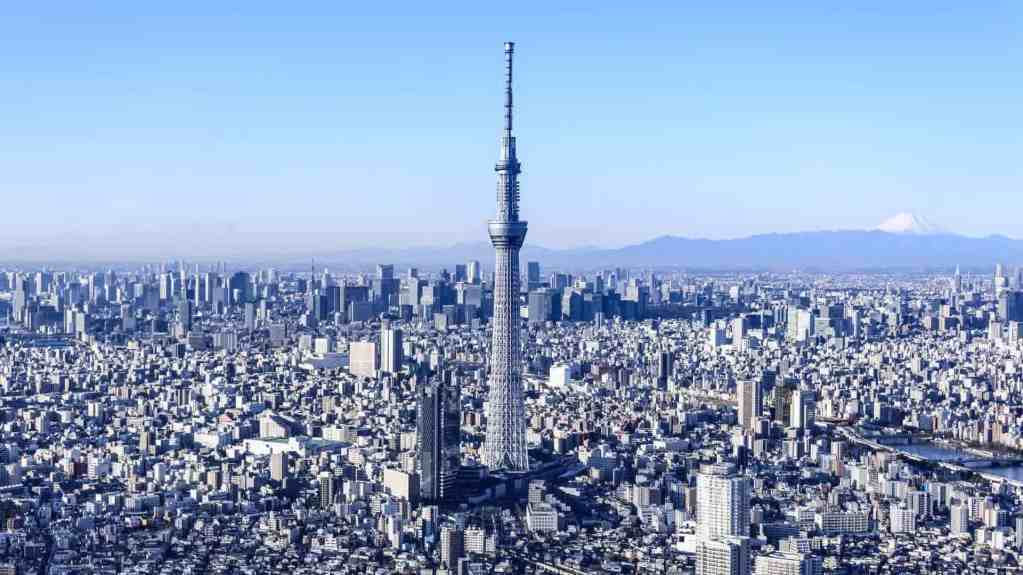
The pass is digital and you must display it on a functioning device to station staff or drivers, as a screenshot or copied image will not be accepted.
You can store passes for a group of up to eight people on one device, but everyone represented by that pass must travel together rather than splitting into separate groups.
Limited express, reserved-seat, night-service and other surcharges are not included, even when the underlying railway is covered.
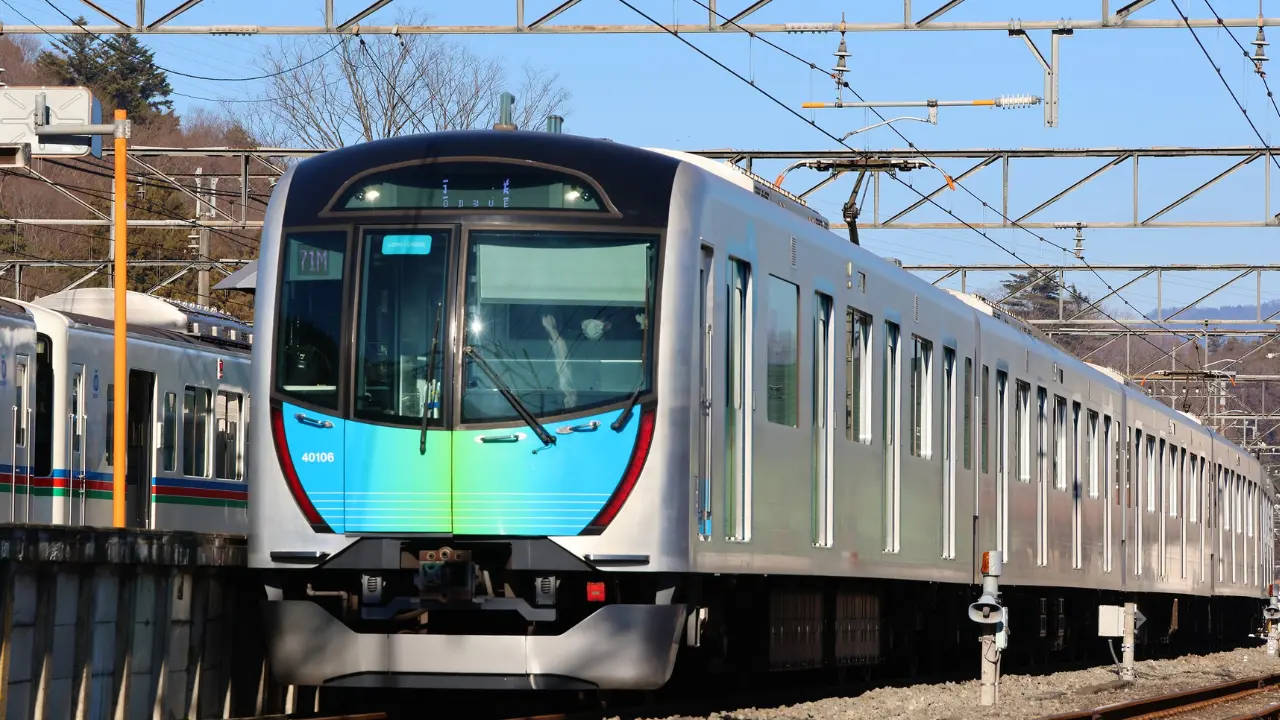
The Greater Tokyo Pass can be ideal for a carefully designed regional itinerary, but it may offer poor value during your first visit if you spend most days travelling between JR stations in central Tokyo.
Before buying it, you should check every major journey to confirm that the recommended route uses a participating private railway rather than JR.
10. JR TOKYO Wide Pass: The Best Pass for Multiple Regional Trips
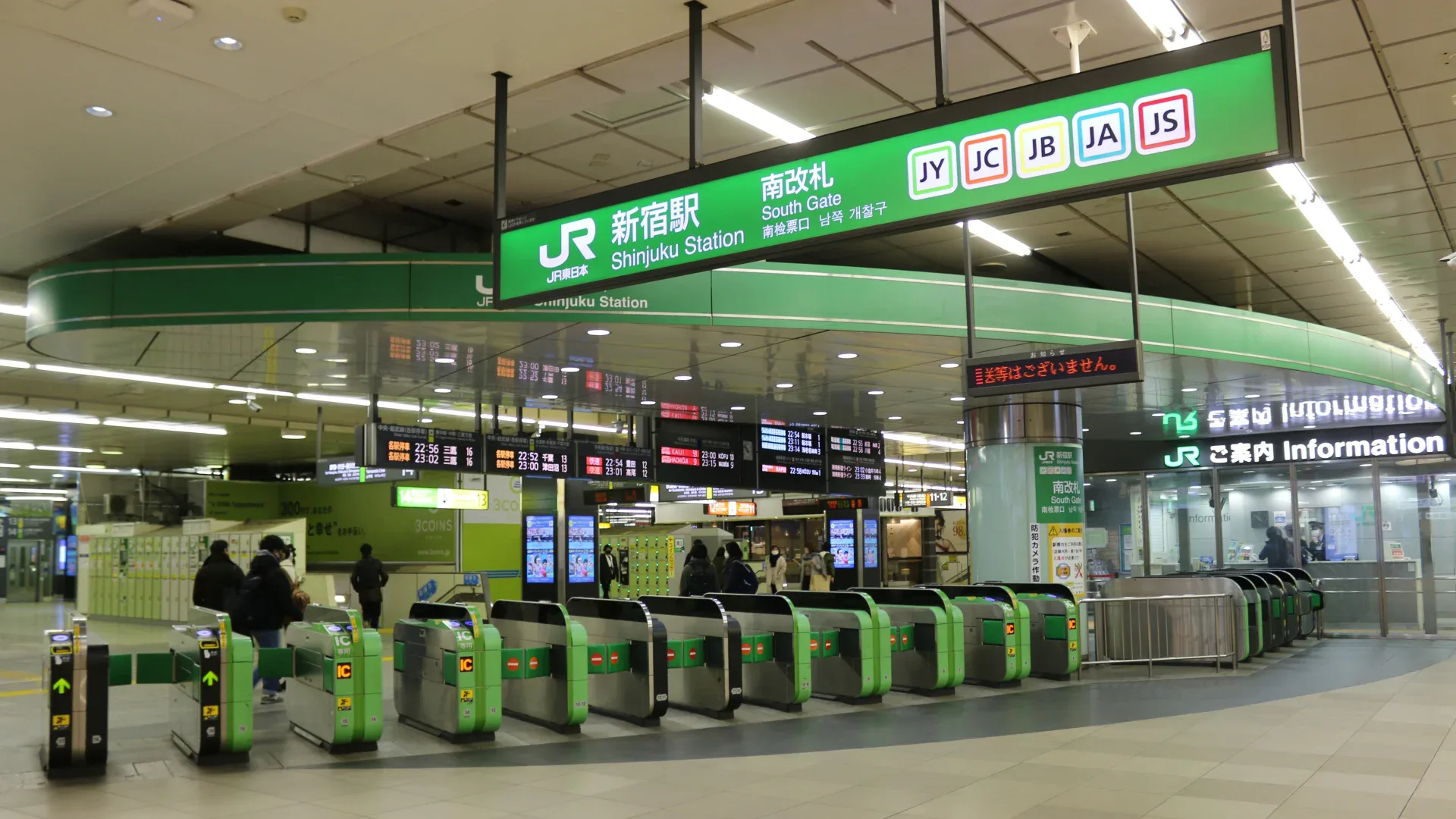
The JR TOKYO Wide Pass costs ¥16,000 for adults (approx. US$98.56/ £73.24) and ¥8,000 for children (approx. US$49.28/ £36.62).
It is valid for three consecutive days and is available only if you hold a non-Japanese passport.
The pass covers JR East services throughout a large region surrounding Tokyo, together with selected non-JR networks including the Tokyo Monorail, Rinkai Line, Fujikyu Railway, Izu Kyuko, Joshin Dentetsu and part of the Saitama New Urban Transit network.
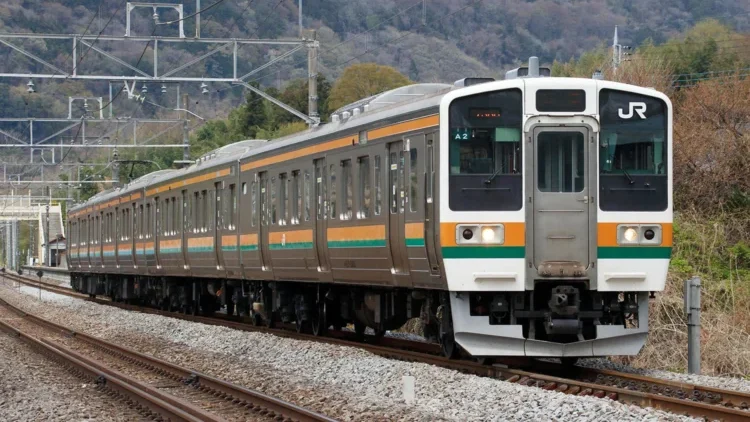
It also covers specified through-services between JR East and Tobu Railway for journeys to Nikko and Kinugawa.
Unlike the cheaper city passes, the JR TOKYO Wide Pass can cover ordinary-car reserved seats on many limited express and Shinkansen services inside its valid area.
This makes it a pass for destinations such as Mount Fuji and the Fuji Five Lakes area, Izu, Nikko, Karuizawa, Nasu, the Boso Peninsula and seasonal GALA Yuzawa rather than ordinary sightseeing within Tokyo.
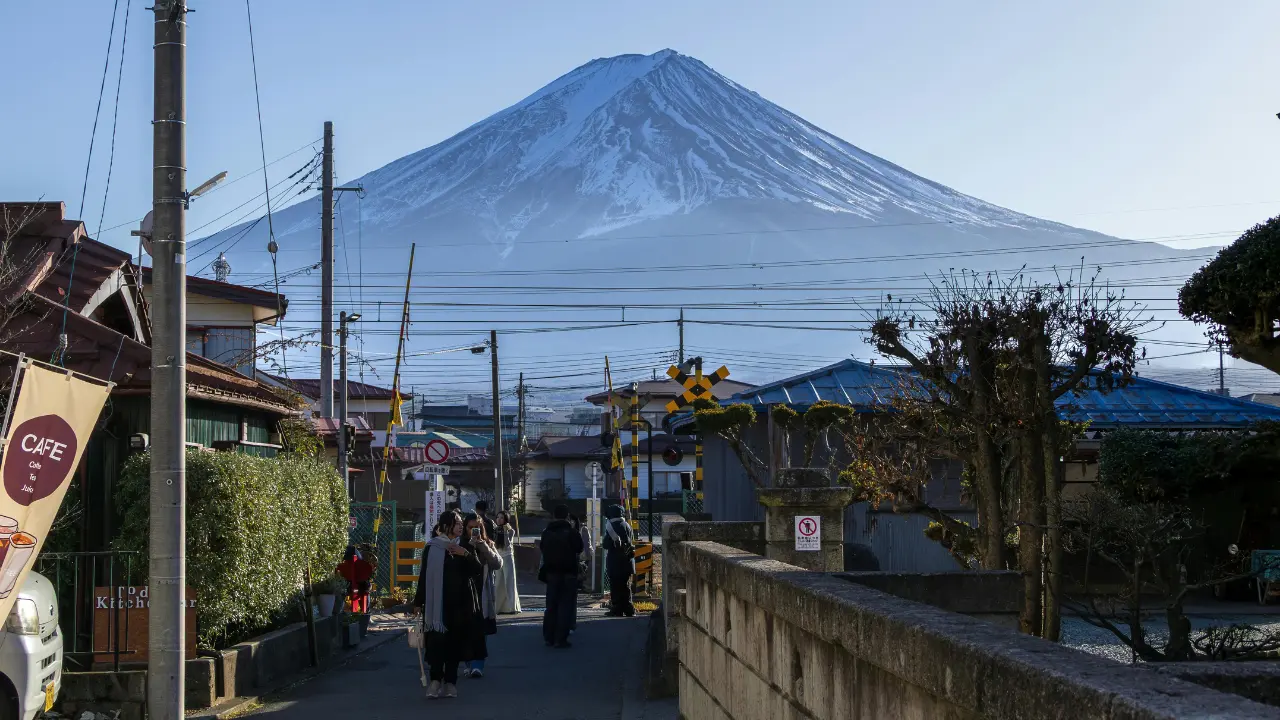
You cannot use it on the Tokaido Shinkansen because that service is operated by JR Central rather than JR East.
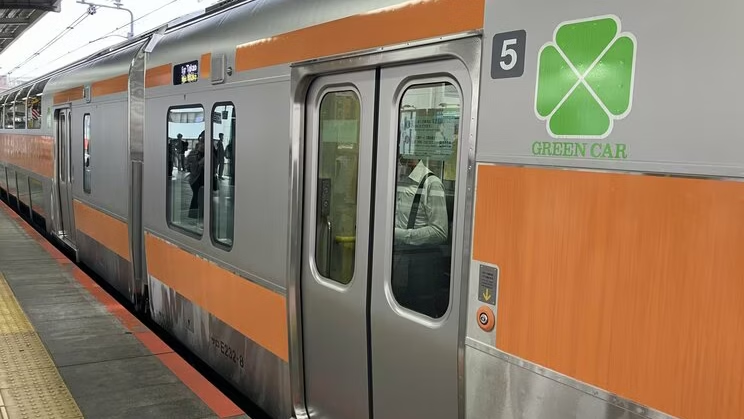
You will also need to pay additional charges for selected premium Fujikyu services, Green Cars and GranClass seating.
You must still obtain a reserved-seat ticket before using trains on which a reservation is required, as holding the pass alone does not guarantee you a seat.
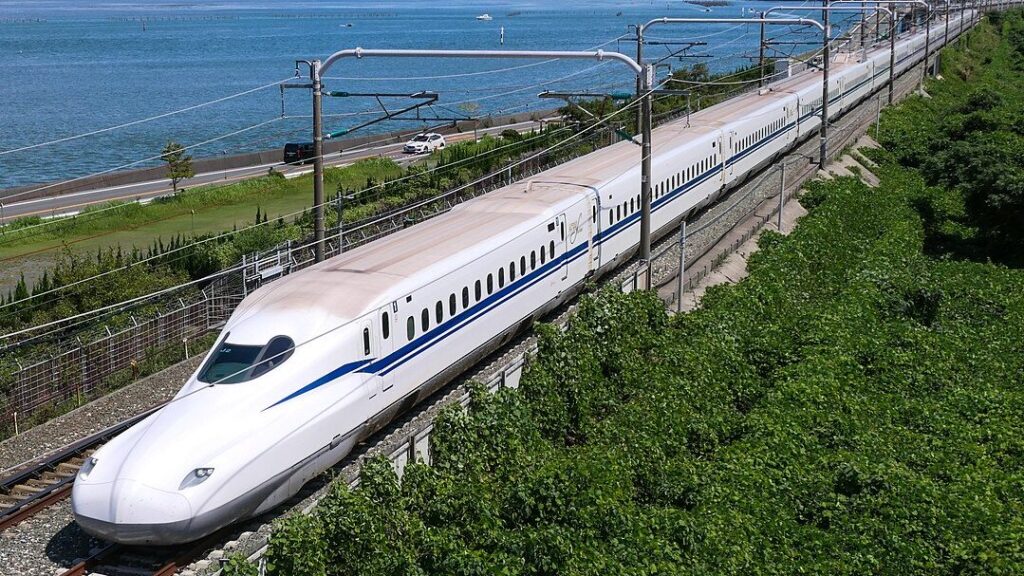
JR East provides an example combining GALA Yuzawa and Nikko that would cost approximately ¥21,500 in individual reserved-seat fares, compared with the ¥16,000 pass.
The strongest use case is an itinerary containing two or three substantial regional journeys during the three-day validity period.
If you make only one inexpensive day trip and spend the rest of the time in central Tokyo, you are unlikely to recover the ¥16,000 cost.
Airport and Subway Combination Tickets
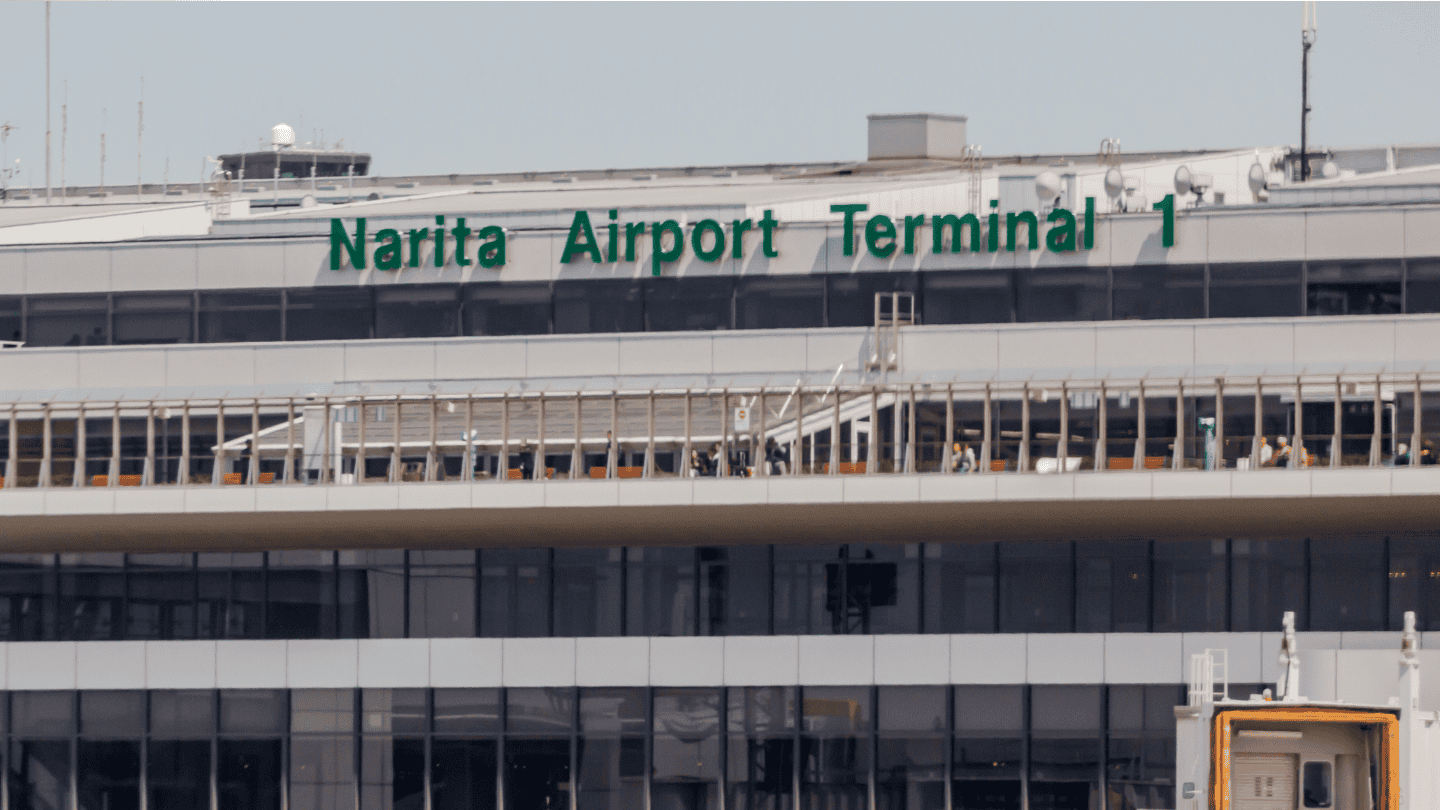
If you are arriving through Haneda or Narita, you may be able to save money by purchasing an airport railway ticket together with a Tokyo Subway Ticket.
These bundles can be particularly useful when the airport train matches the location of your accommodation and your central Tokyo itinerary already justifies an unlimited subway ticket.
1. KEIKYU Hanetoku Ticket and Tokyo Subway Ticket From Haneda
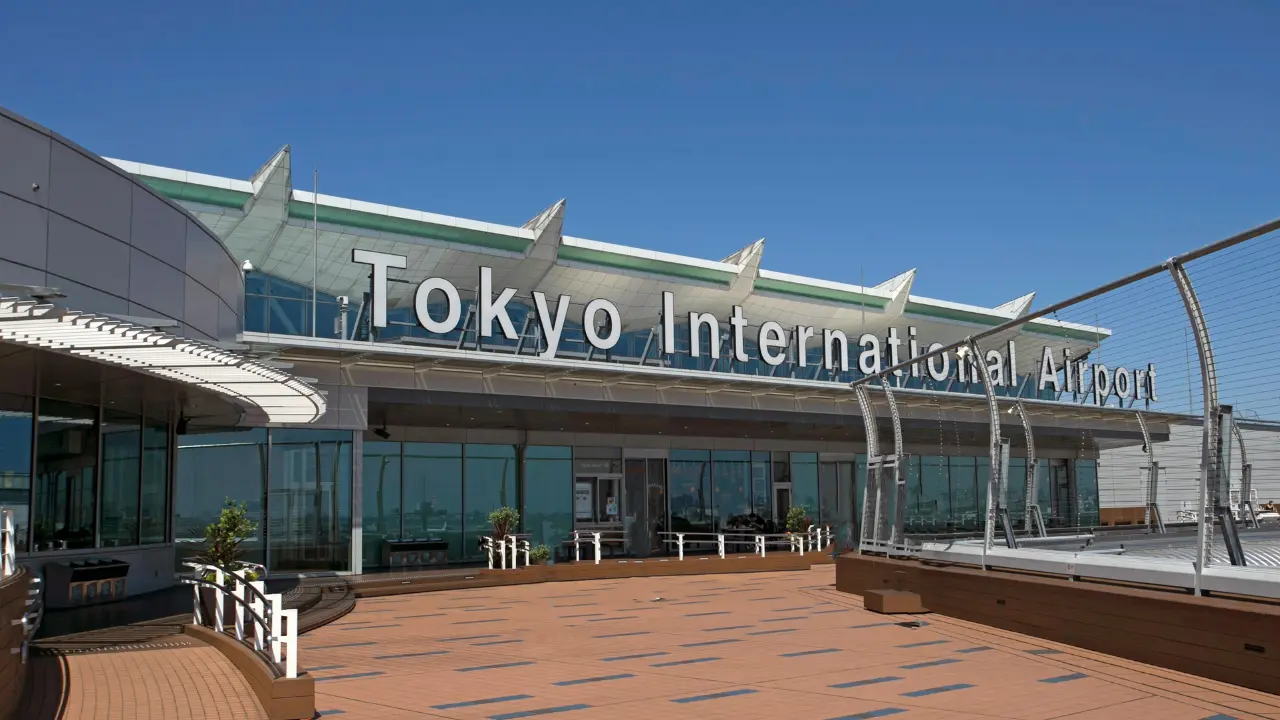
The Keikyu bundle combines a return journey between Haneda Airport and Sengakuji with a 24, 48 or 72-hour Tokyo Subway Ticket.
The adult prices are ¥1,600 for the 24-hour version (approx. US$9.86/ £7.32), ¥2,100 for the 48-hour version (approx. US$12.94/ £9.61) and ¥2,600 for the 72-hour version (approx. US$16.02/ £11.90).
Child prices are ¥700 (approx. US$4.31/ £3.20), ¥950 (approx. US$5.85/ £4.35) and ¥1,200 (approx. US$7.39/ £5.49) respectively.
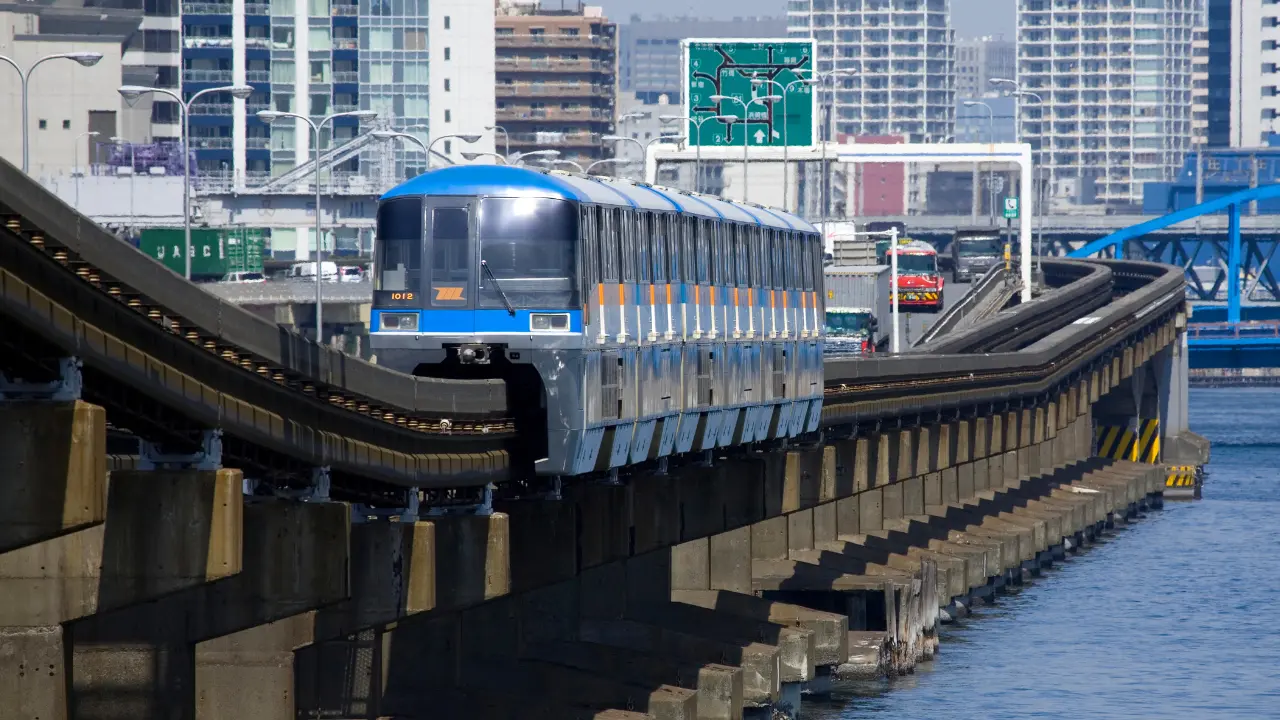
You can use the airport return component within nine days of exchange, while the subway ticket can be activated for its full timed validity within six months.
You must buy the ticket through an eligible online sales channel before your journey and exchange it at Haneda Airport.
It can be a strong option if you are staying near a station conveniently reached through the Keikyu and Toei Asakusa Line corridor.
2. Keisei Skyliner and Tokyo Subway Ticket From Narita
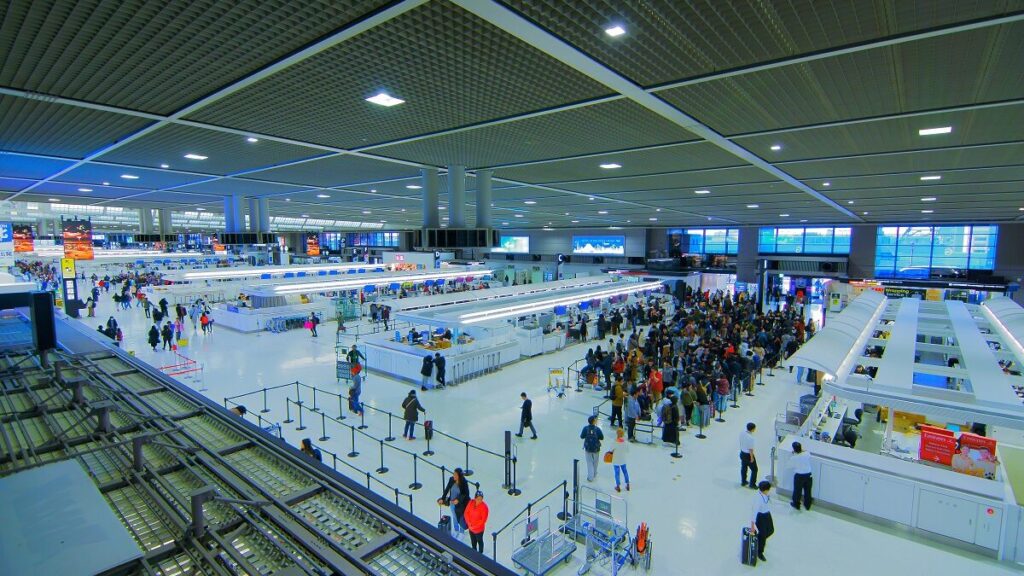
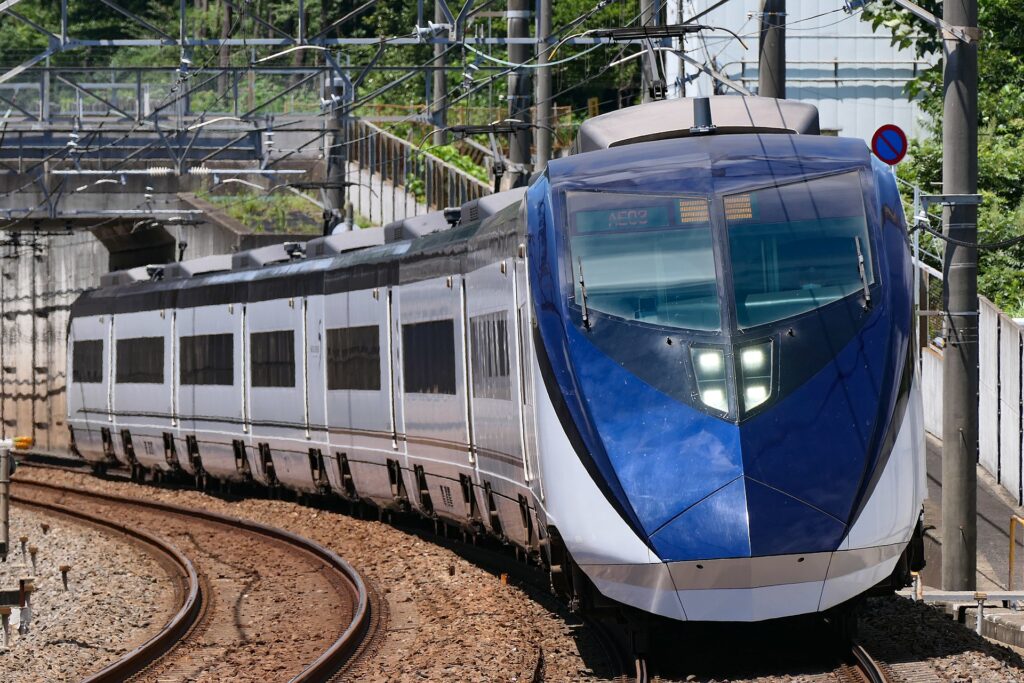
The Keisei bundle combines a one-way or return Skyliner journey between Narita Airport and the Ueno area with a 24, 48 or 72-hour Tokyo Subway Ticket.
A one-way Skyliner bundle costs ¥3,100 with the 24-hour subway ticket (approx. US$19.10/ £14.19), ¥3,600 with the 48-hour ticket (approx. US$22.17/ £16.48) or ¥4,100 with the 72-hour ticket (approx. US$25.25/ £18.77).
The corresponding child prices are ¥1,550 (approx. US$9.55/ £7.10), ¥1,800 (approx. US$11.09/ £8.24) and ¥2,050 (approx. US$12.63/ £9.38).
Round-trip adult bundles cost ¥5,100 with 24 hours of subway travel (approx. US$31.41/ £23.35), ¥5,600 with 48 hours (approx. US$34.49/ £25.63) or ¥6,100 with 72 hours (approx. US$37.57/ £27.92).
Round-trip child bundles cost ¥2,540 (approx. US$15.65/ £11.63), ¥2,790 (approx. US$17.19/ £12.77) or ¥3,040 (approx. US$18.73/ £13.92).
The Skyliner portion provides you with reserved-seat airport travel, while the subway portion covers Tokyo Metro and Toei Subway for your selected consecutive-hour period.
You can use the airport and subway components on different days, provided that you remain within the specified exchange and validity periods.
This can be particularly convenient if your accommodation is around Ueno, Nippori or another location easily reached from those stations, although a different airport service may produce a simpler journey if you are staying in southern or western Tokyo.
Specialized Passes for Day Trips From Tokyo
If you are based in Tokyo but plan to spend one or more days outside the city, you should compare regional excursion passes with the JR TOKYO Wide Pass.
A specialized pass can be much cheaper when you only intend to visit one destination area, while the wider JR pass becomes more attractive when you combine several expensive regional journeys.
1. Enoshima-Kamakura Freepass

The Enoshima-Kamakura Freepass costs ¥1,640 for adults from Shinjuku (approx. US$10.10/ £7.51) and ¥430 for children (approx. US$2.65/ £1.97).
It is valid for one day and includes a discounted return journey on the Odakyu Line together with unlimited local travel on the Enoden in the Enoshima and Kamakura area.
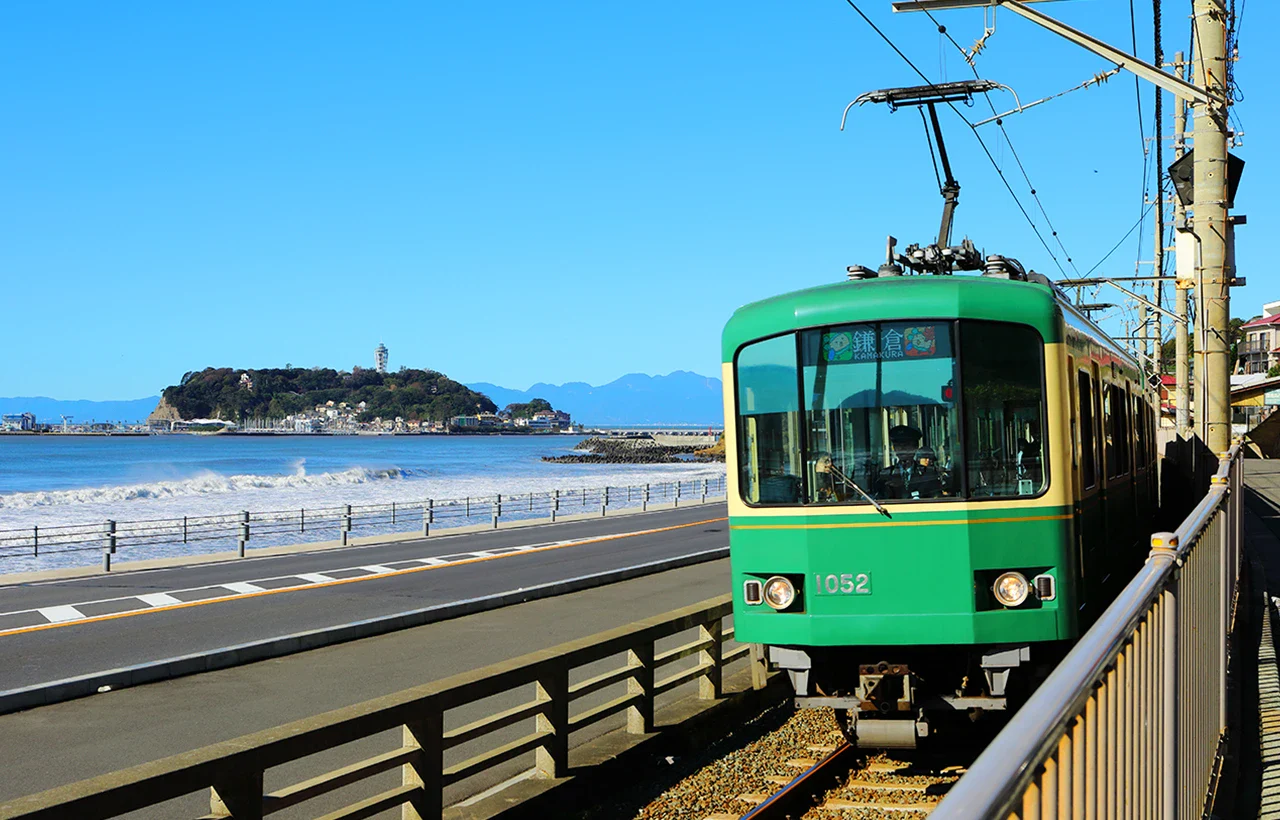
The pass also gives you selected benefits at attractions and businesses, while you will need a separate limited express ticket if you want to use the Romancecar.
This will generally be more appropriate than a wide regional pass if Enoshima and Kamakura form your only major trip outside Tokyo.
2. Hakone Freepass
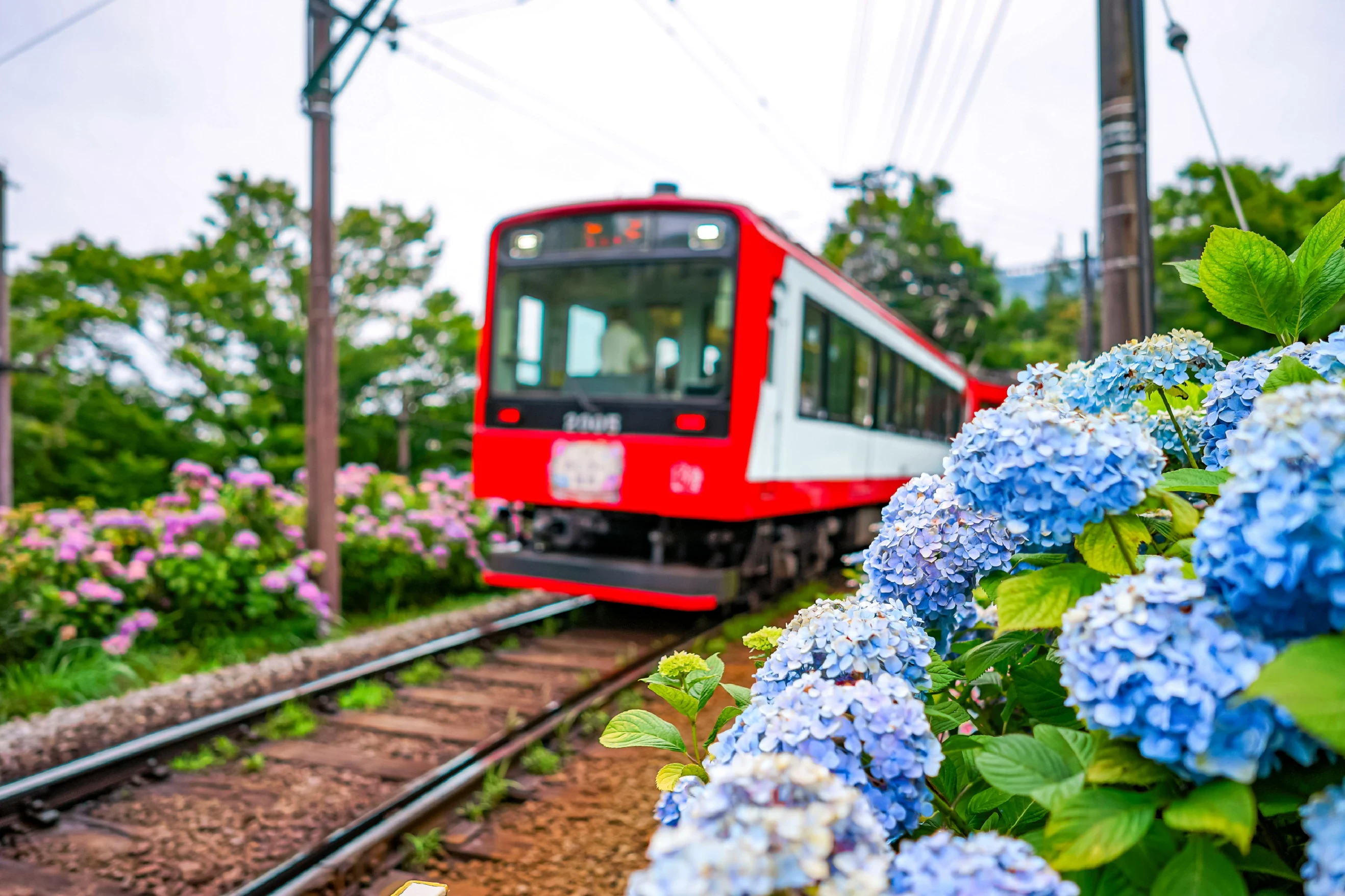
The two-day Hakone Freepass from Shinjuku costs ¥7,100 for adults (approx. US$43.73/ £32.50) and ¥1,600 for children (approx. US$9.86/ £7.32).
The three-day version costs ¥7,500 for adults (approx. US$46.20/ £34.33) and ¥1,850 for children (approx. US$11.40/ £8.47).
It includes your return journey between Shinjuku and Odawara together with unlimited use of eight designated forms of transport in Hakone, including local trains, buses, cable cars, the ropeway and the Lake Ashi sightseeing cruise.
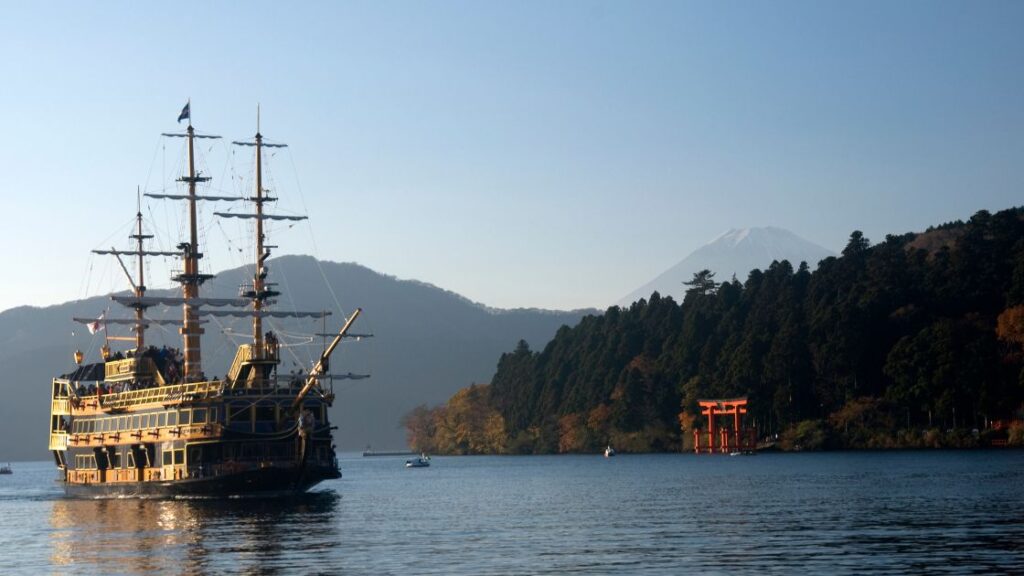
The pass does not include the Romancecar limited express surcharge, which you must purchase separately if you want to use that reserved-seat service.
Although the minimum validity is two days, the pass can still provide value if you plan a sufficiently busy one-day Hakone itinerary.
3. NIKKO PASS All Area
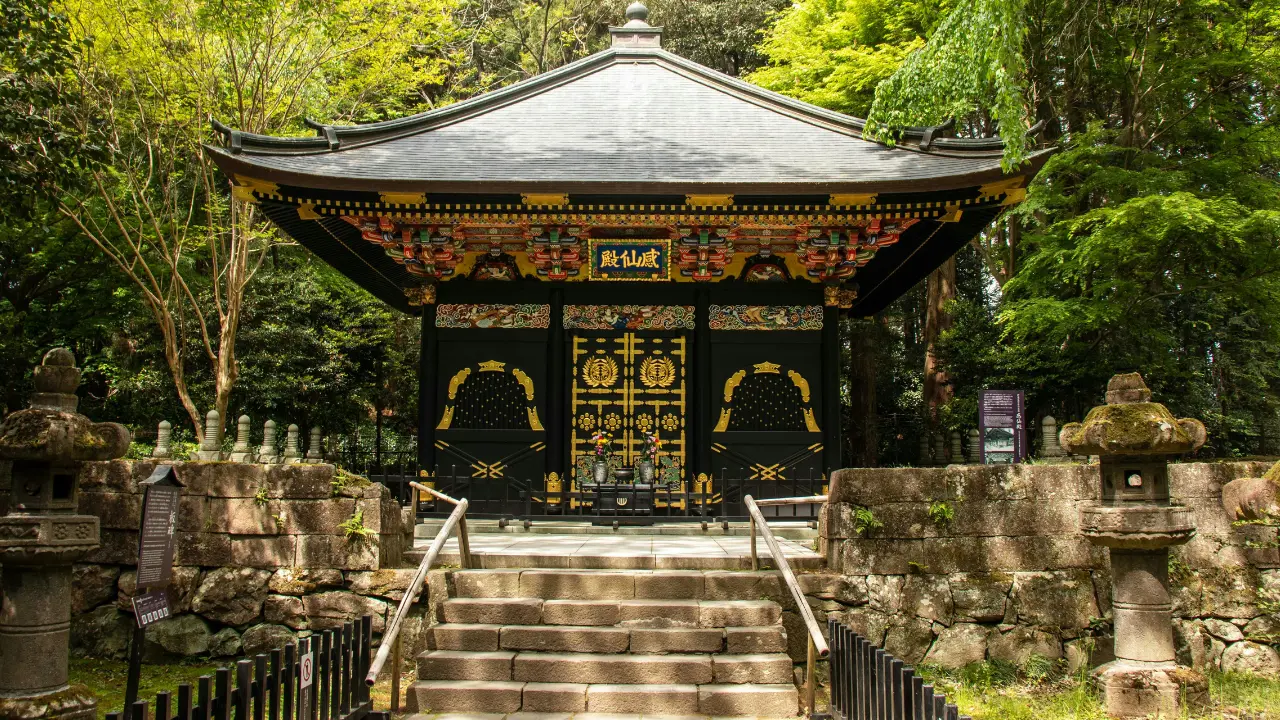
The NIKKO PASS All Area costs ¥8,000 for adults (approx. US$49.28/ £36.62) and ¥4,000 for children (approx. US$24.64/ £18.31), with four days of validity.
It includes one return journey between Asakusa and Shimo-Imaichi, unlimited travel on designated Tobu Railway sections around Nikko and Kinugawa, extensive Tobu bus coverage and selected seasonal transport including the Lake Chuzenji sightseeing cruise.
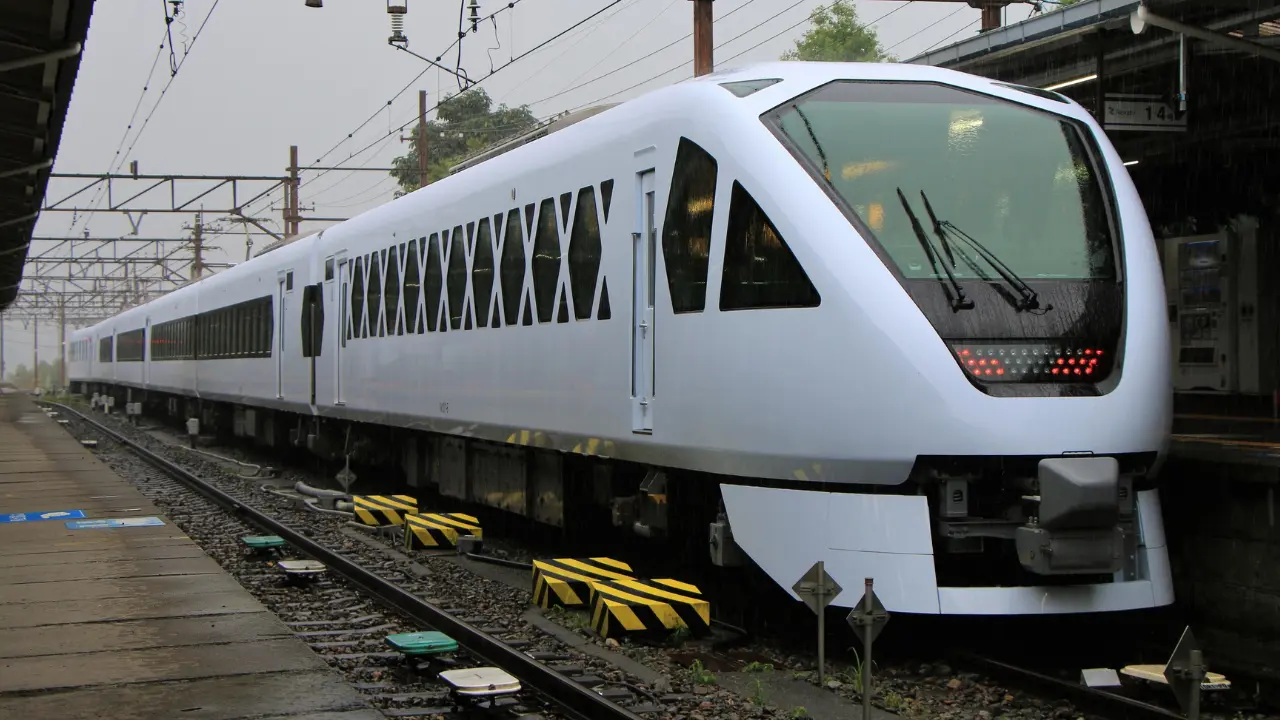
You will need a separate limited express ticket if you use Tobu’s faster reserved-seat limited express trains, while admission to shrines, temples and major theme parks is not included.
The pass is aimed at international visitors, although an accompanying Japanese national may also be eligible under Tobu’s rules.
Suica and PASMO
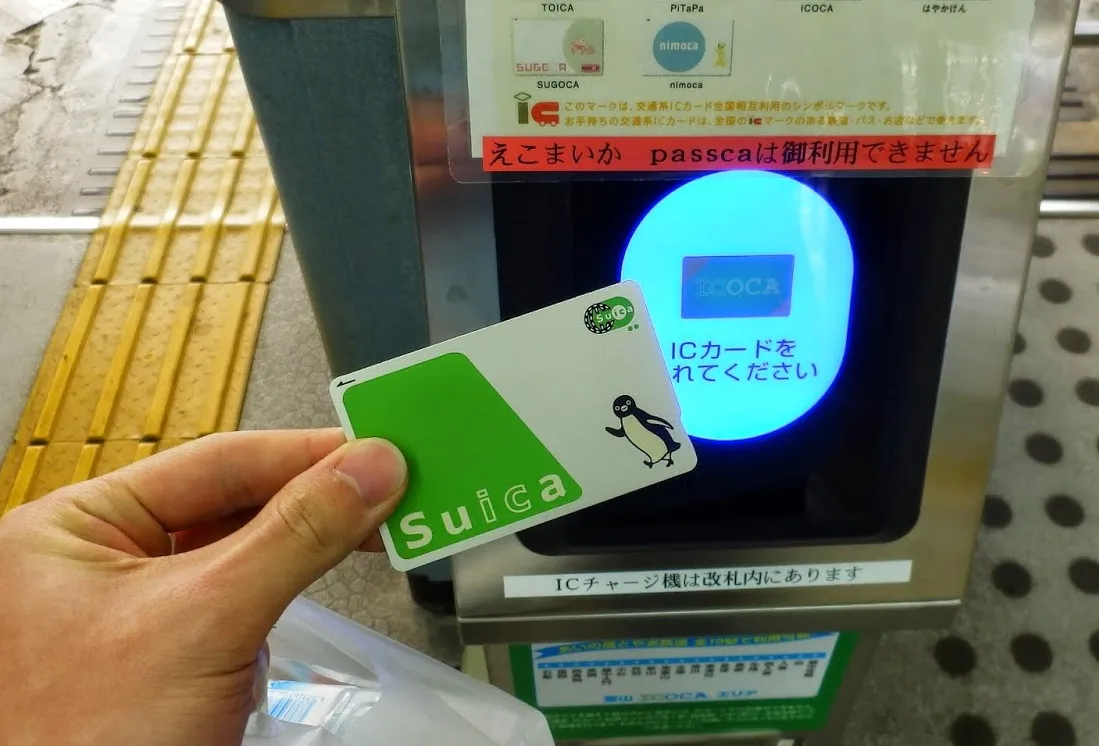
Suica and PASMO are useful, but they are not unlimited passes.
Suica and PASMO are stored-value IC cards that deduct the correct fare whenever you enter and exit a compatible railway or bus network.
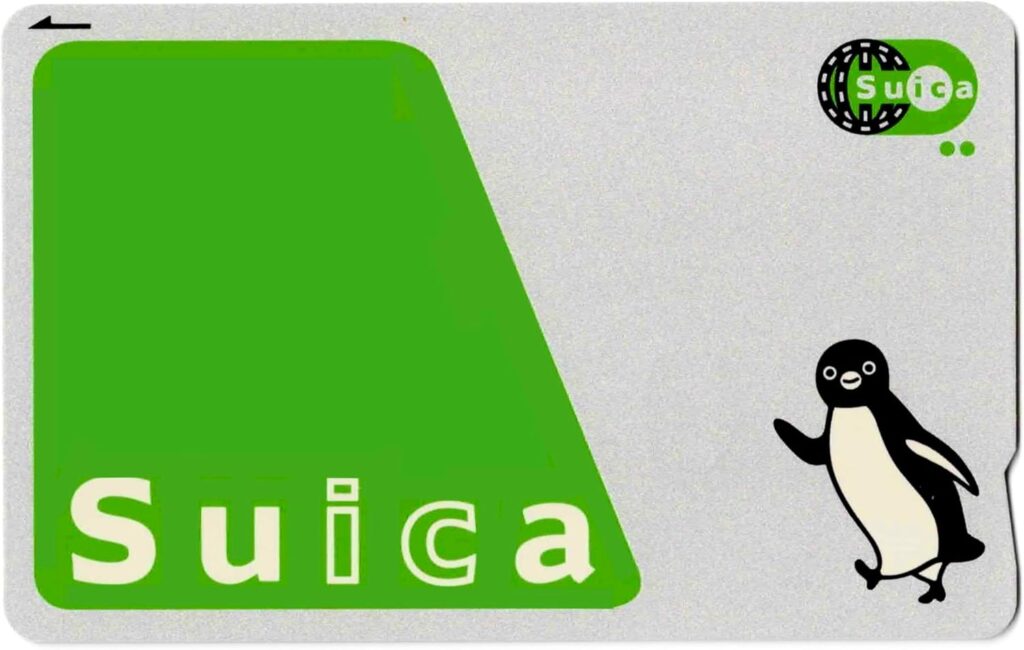
You can use PASMO across most public transportation in the Tokyo metropolitan area and on many compatible networks elsewhere in Japan, while you can also use it for payments at participating shops and vending machines.
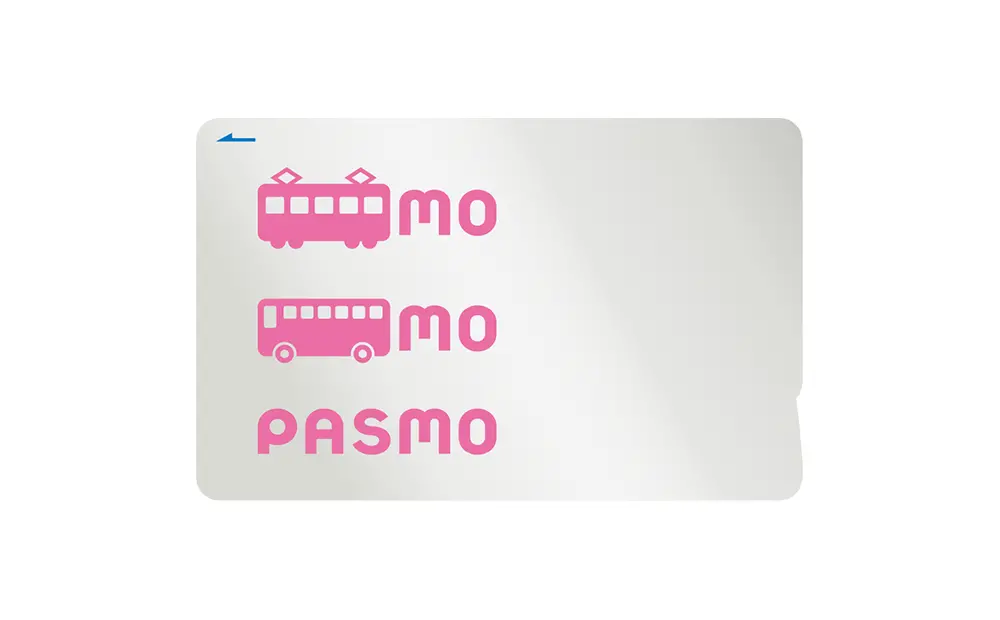
An ordinary PASMO initially purchased for ¥1,000 includes a refundable ¥500 deposit and ¥500 of stored value, although different purchasing and refund rules apply to visitor-focused tickets.
The current TOURIST PASMO is intended for international visitors, remains valid for 28 days and does not allow you to refund unused stored value.
Welcome Suica for temporary visitors can also be used for trains, buses and shopping for up to 28 days.
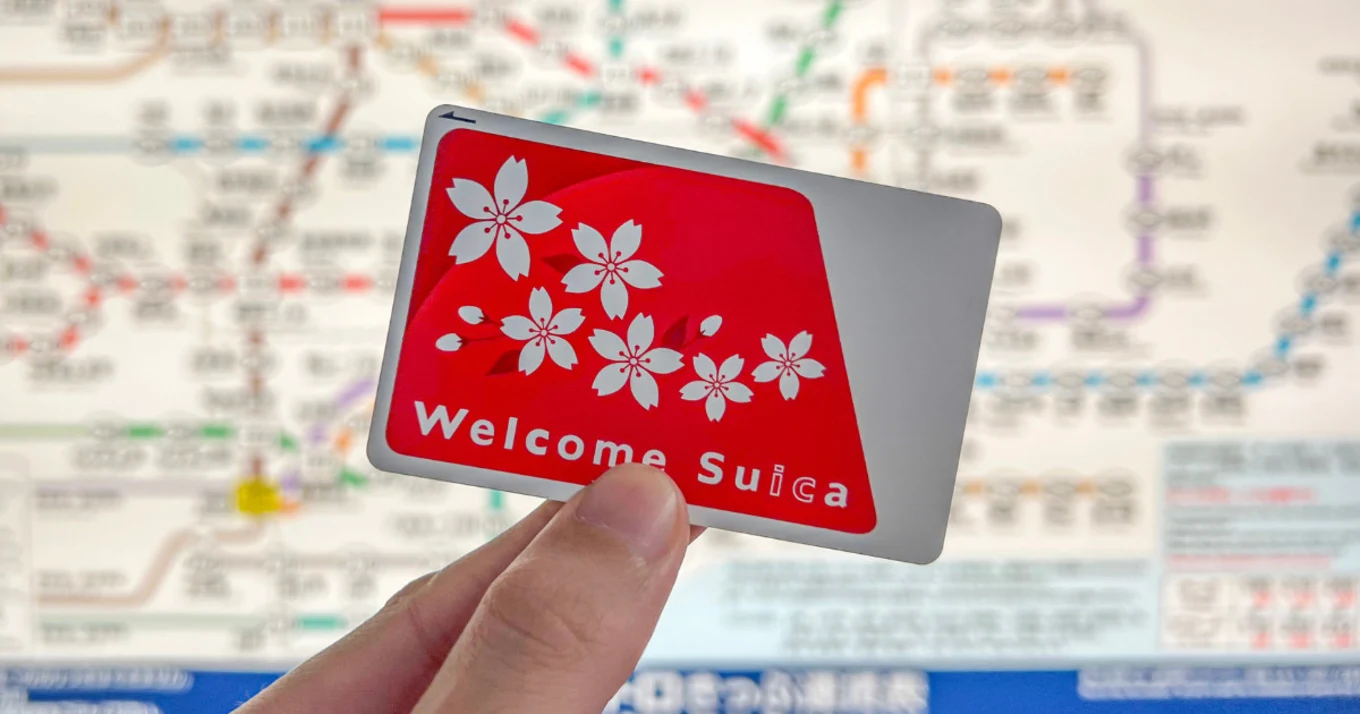
IC cards do not reduce every fare and you should not mistake them for unlimited travel passes.
Their advantage is freedom, as you can use JR, subways, private railways and buses without buying separate paper tickets or worrying about which operator owns a particular line.
An IC card is usually the most economical option if you expect to take approximately one to three short journeys per day, spend full days walking within one district or constantly switch between operators that are covered by different passes.
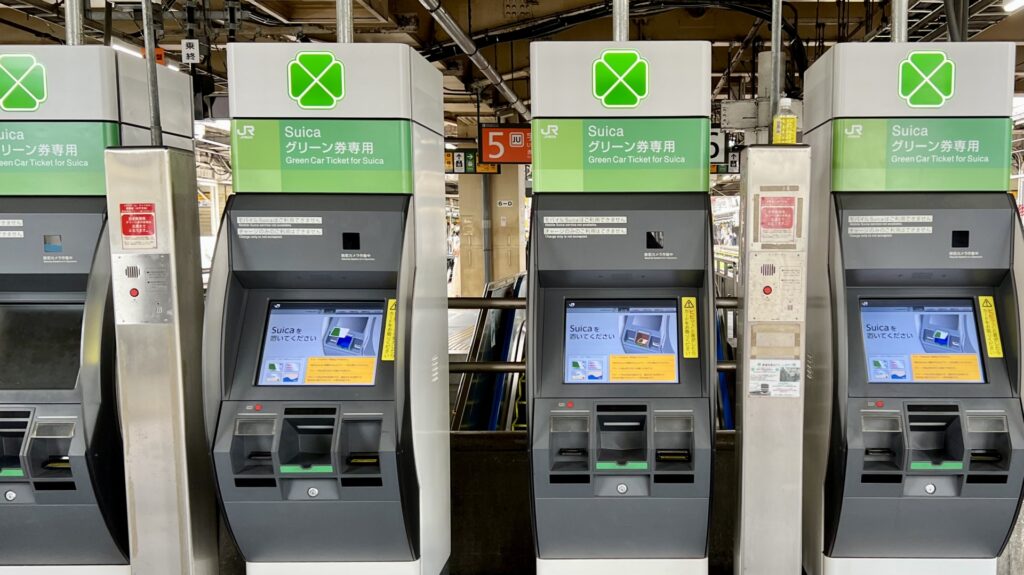
It is also useful alongside a pass, as you can pay separately for any journey outside the pass area without purchasing a paper ticket.
When a Pass Is Not Worth Buying
A pass is unlikely to save you money if you plan to visit only one main district during the day.
Tokyo neighborhoods can be enormous, and areas such as Shinjuku, Shibuya, Asakusa, Ueno or Ginza can easily fill several hours without requiring repeated railway journeys.
A ¥1,000 subway ticket becomes poor value if you take only one ¥180 journey in the morning and another ¥180 journey in the evening.

A pass can also be wasteful on your arrival and departure days, when airport transfers, luggage handling and hotel check-in leave you with less time for city sightseeing.
Timed tickets reduce this problem because you can activate them later, while calendar-day tickets should generally be reserved for mornings when you still have the entire day available.
You should not purchase the national Japan Rail Pass solely for travel around Tokyo, as it does not cover Tokyo Metro, Toei Subway or most private railways.
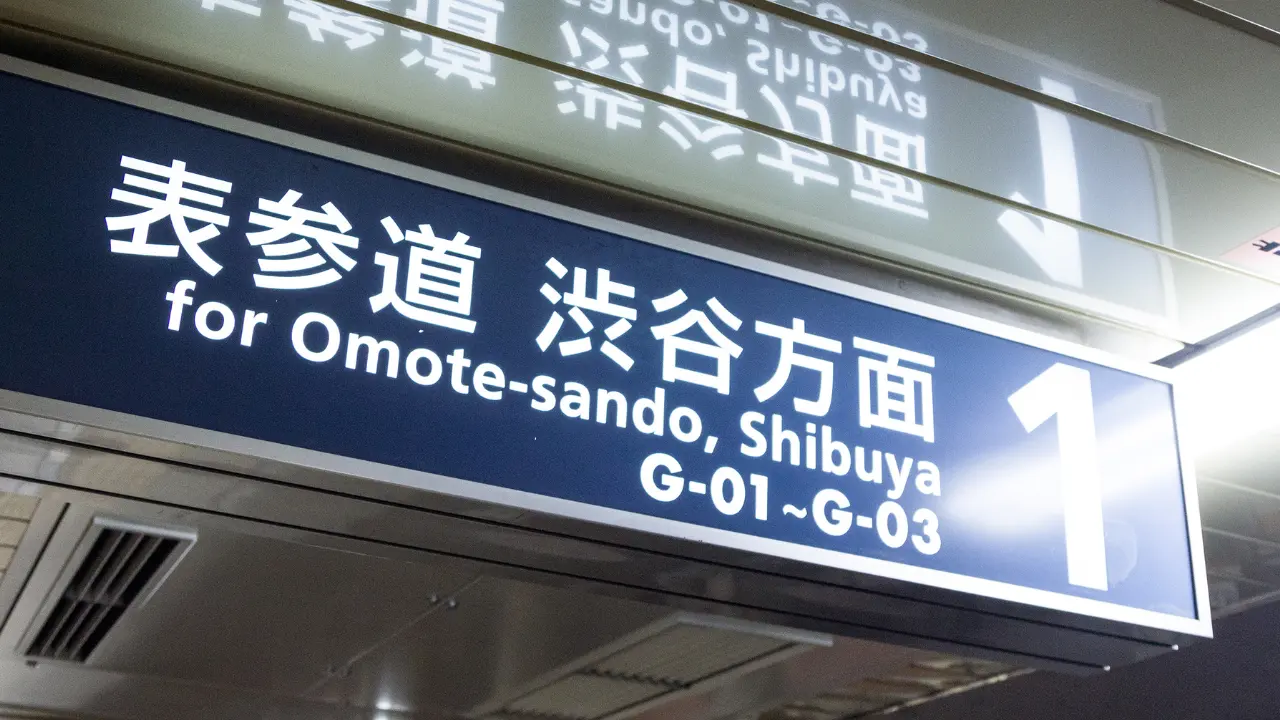
A wide regional pass can create similar problems if you choose slower or less convenient covered routes simply to avoid paying a small additional fare.
Saving ¥200 is rarely worthwhile when it adds several transfers or substantially increases your journey time.
Limited express surcharges are another frequent source of unexpected costs, as many regional passes cover the basic journey but require you to buy a separate ticket for reserved or premium trains.
If you use a digital pass, you should also consider battery life and mobile data access, particularly when you must display the pass dynamically to a station employee rather than showing a screenshot.
How to Calculate Whether a Tokyo Pass Will Save You Money
Begin by listing the exact stations closest to your accommodation and every destination you plan to visit.
Check the operator beside every suggested route rather than looking only at the train’s line color or final destination.
Separate your journeys into JR East, Tokyo Metro, Toei and private railway categories.
Count the number of paid journeys rather than the number of trains, as a transfer completed inside the same paid area may remain part of one fare.
Estimate the individual fares using the relevant operator’s route planner, then compare that total with the price of the narrowest pass that covers all your essential journeys.
A narrow ¥700 pass that covers every ride you have planned is better than a ¥1,720 pass whose additional networks you never use.
You should consider convenience as well as the mathematical saving, since unlimited travel can be valuable when your plans are flexible, the weather changes or you expect to make unplanned stops.
However, you should not place an excessive value on unlimited convenience, as an IC card already removes the inconvenience of buying individual tickets.
Sample Pass Choices for Common Tokyo Itineraries
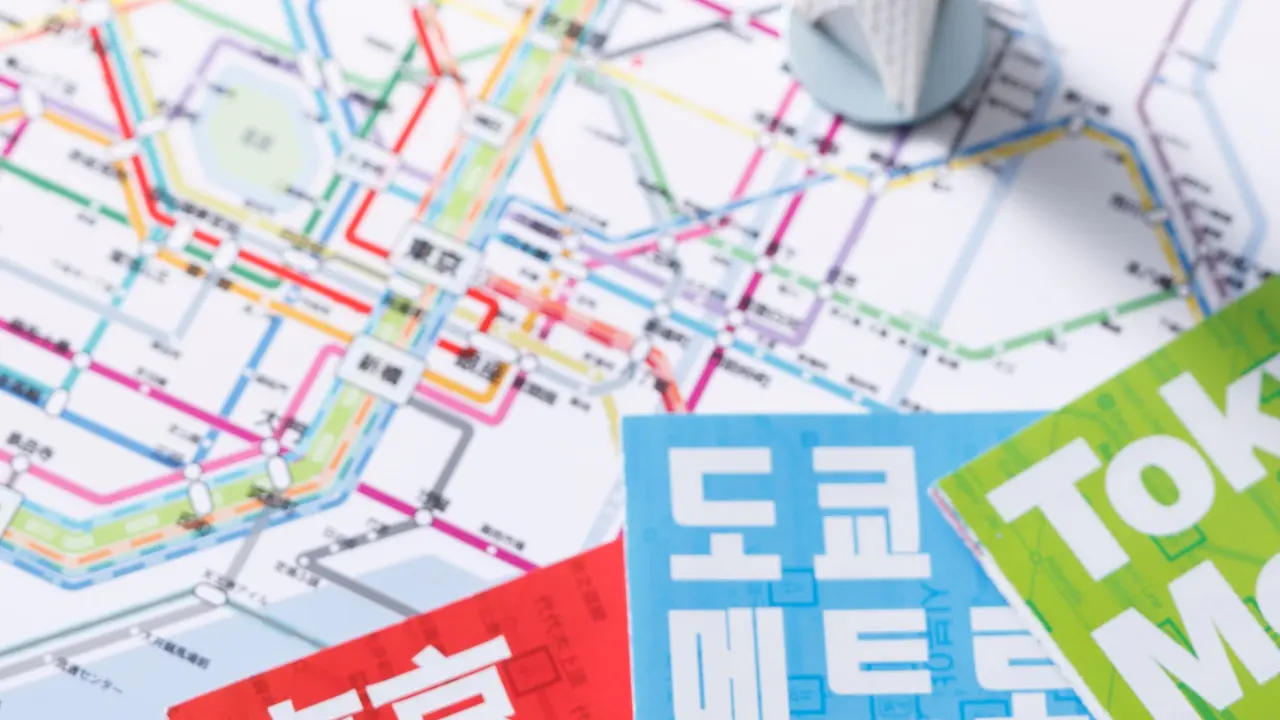
If your three-day first visit focuses on Shibuya, Harajuku, Shinjuku, Ginza, Asakusa, Ueno, Roppongi and central Tokyo, the Tokyo Subway 72-hour Ticket will usually be your best match.
If your one-day route links Tokyo Station, Akihabara, Ueno, Ikebukuro, Shinjuku and Shibuya, the Tokyo Metropolitan District Pass can work particularly well because you can connect all of those areas using JR services within the covered zone.
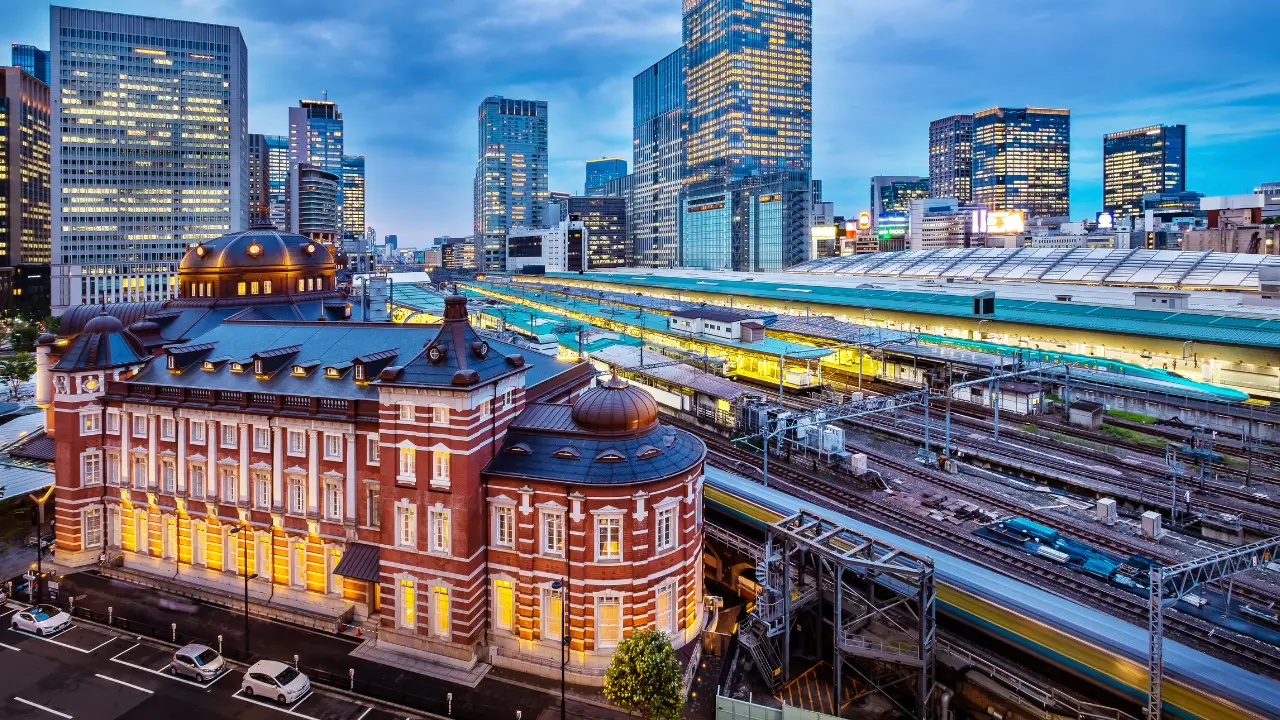
If you build your day around the Toei Oedo Line, Toei buses and the Tokyo Sakura Tram, the Toei 1Day Pass will be more useful than a Tokyo Metro-only ticket.
If you plan a very intensive day that repeatedly switches between JR, Tokyo Metro, Toei Subway and municipal buses, the Tokyo 1-Day Ticket is likely to provide the most suitable coverage.
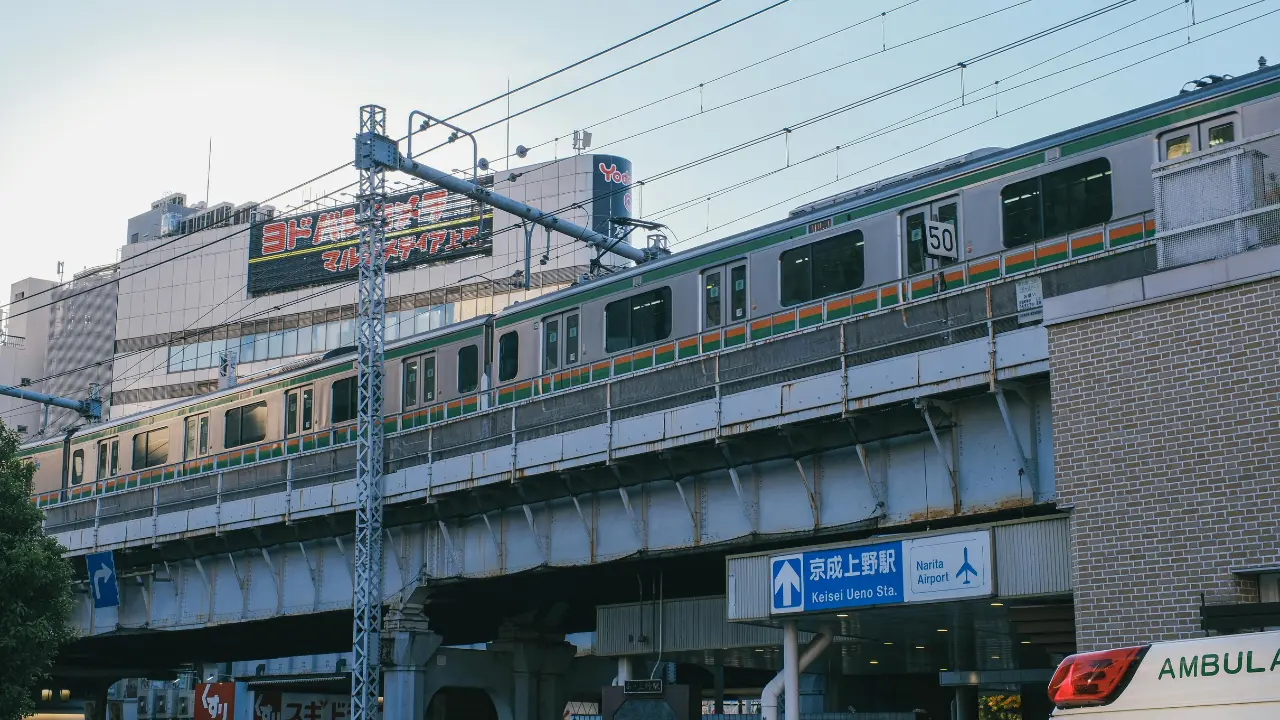
If you want a relaxed day exploring Shibuya, Jiyugaoka and Futako-Tamagawa, the inexpensive Tokyu Triangle Pass may be enough.
If you are taking a weekend journey that combines a distant JR destination with several stops, the Rinkai Line or Tokyo Monorail, the NONBIRI Holiday Suica Pass may justify its higher price.
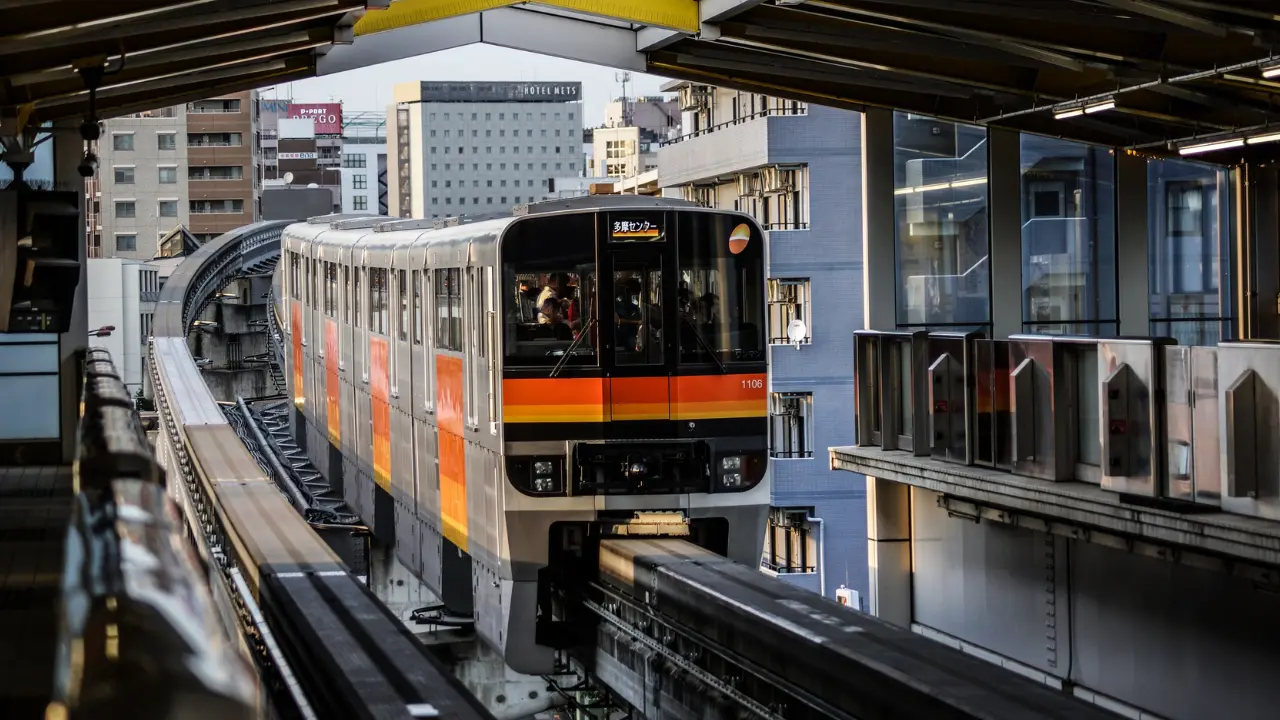
If your five consecutive days include Yokohama, Kawagoe, Mount Takao, private railway suburbs and extensive subway travel, the Greater Tokyo Pass may work well as long as JR routes are not central to your itinerary.
If your three consecutive days contain two or more substantial journeys to areas such as Fuji, Izu, Karuizawa, Nikko or GALA Yuzawa, the JR TOKYO Wide Pass becomes a much stronger option.
The Best Tokyo Train Pass Overall
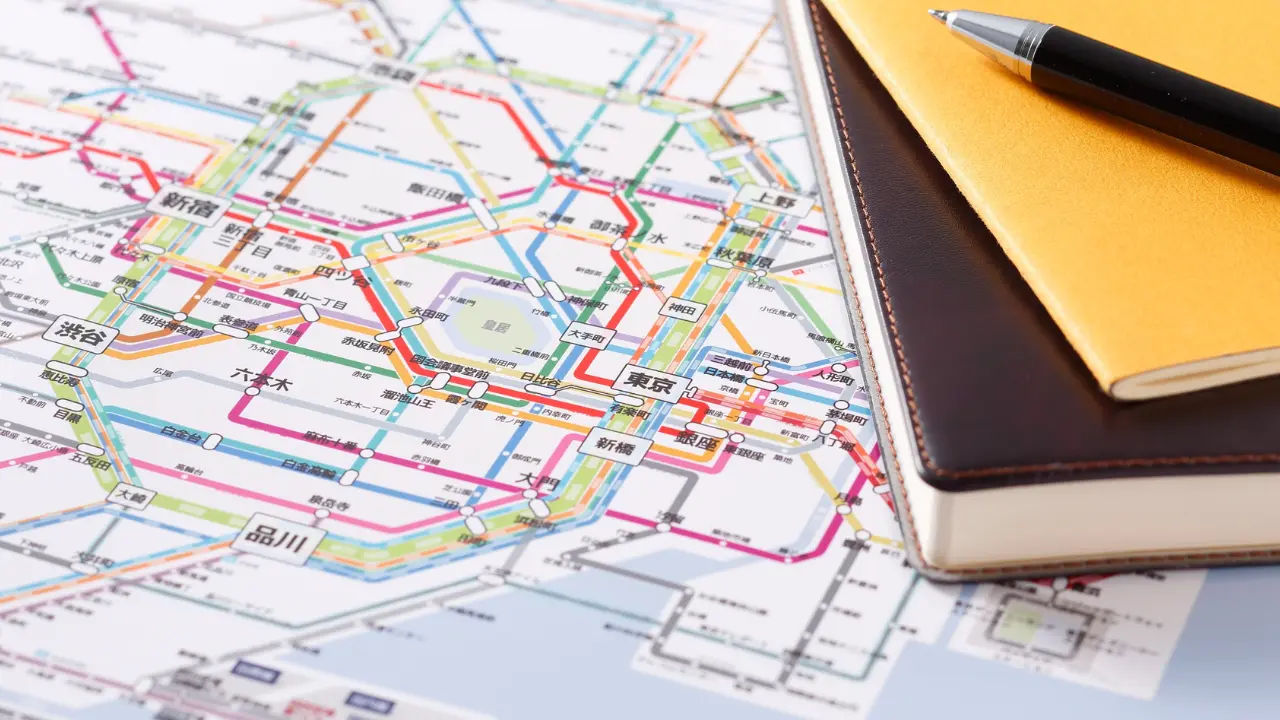
The Tokyo Subway Ticket is our best all-round recommendation because it covers both subway operators, offers true 24, 48 or 72-hour validity and becomes progressively cheaper per day with the longer versions.
The 72-hour ticket is particularly strong at ¥2,000, as it costs only around ¥667 per day while covering a large proportion of central Tokyo’s most useful sightseeing routes.
The Tokyo Metro 24-hour Ticket is our preferred cheaper alternative when your entire day remains on Tokyo Metro.
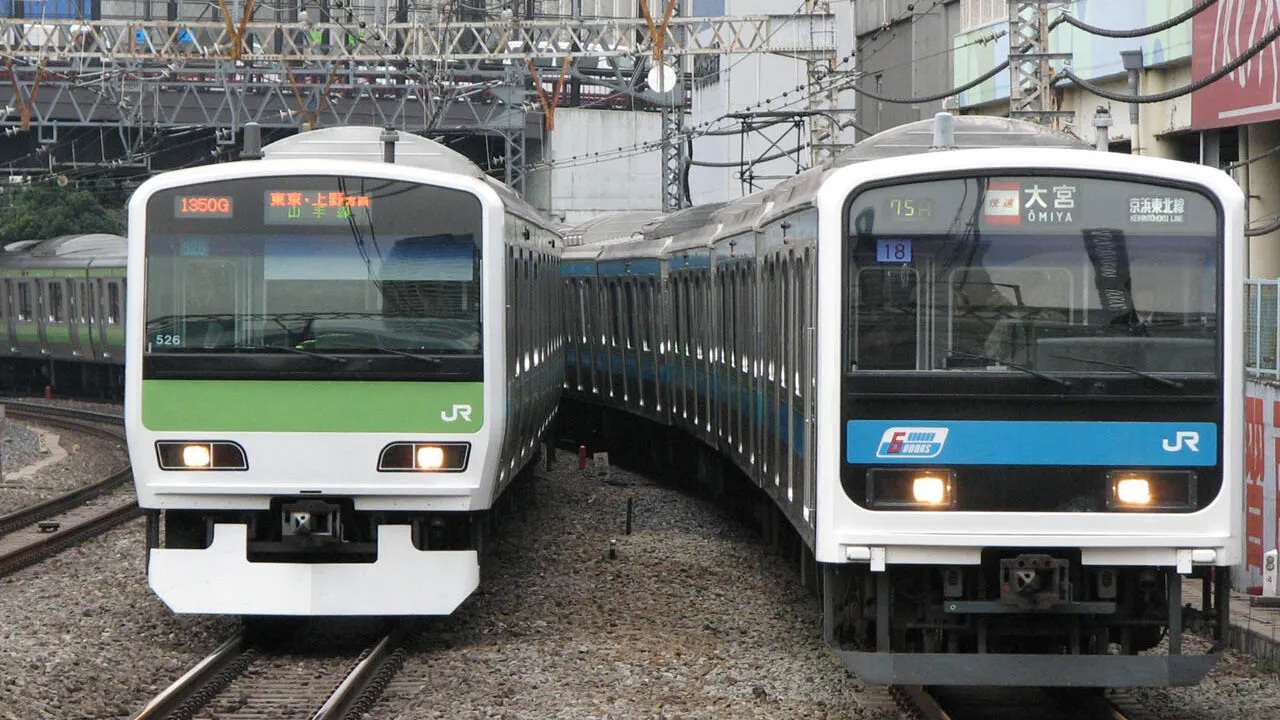
The Tokyo Metropolitan District Pass is the best JR-focused central pass, while the Tokyo 1-Day Ticket provides the broadest central coverage at a significantly higher break-even point.
You should choose the Greater Tokyo Pass and JR TOKYO Wide Pass for specific regional itineraries rather than treating them as general solutions for central Tokyo.
For light or unpredictable travel, Suica or PASMO remains the simplest choice because it allows you to follow the most convenient route regardless of operator.
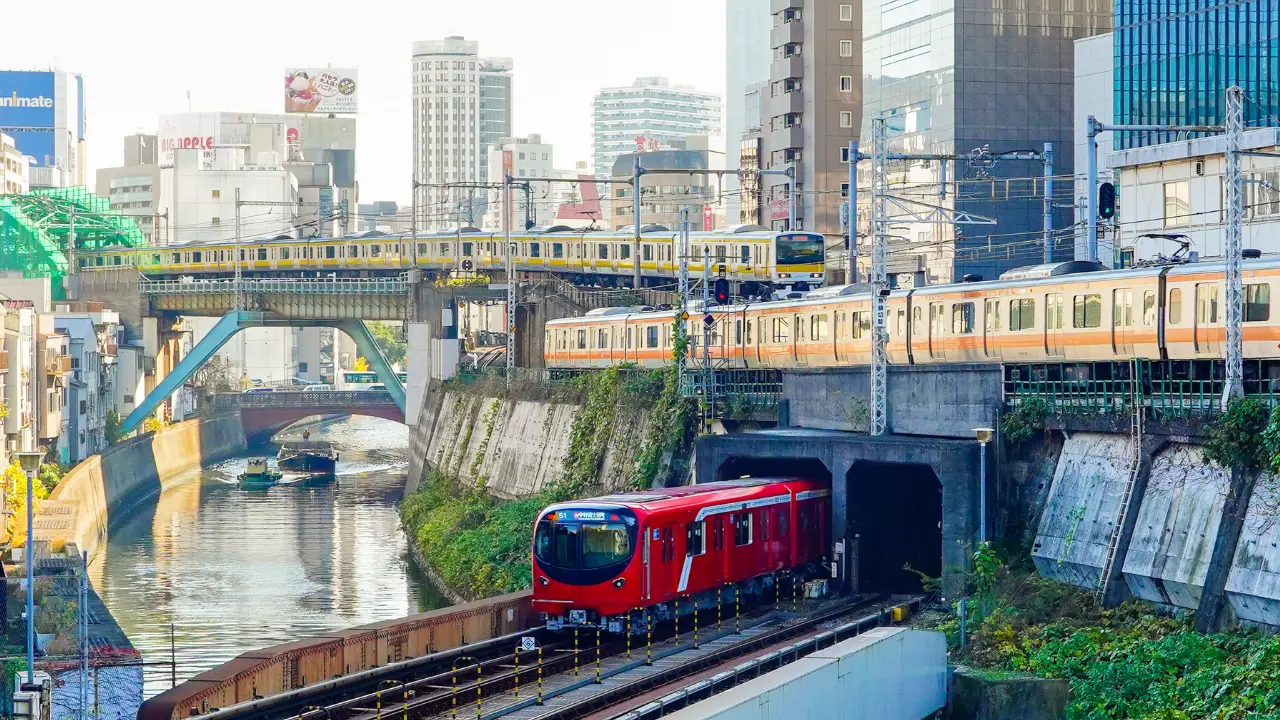
The real key to saving money in Tokyo is not finding one ticket that covers everything, but matching each pass to the days on which you will actually use its particular network.

If you enjoyed this article, you can see more from us directly in your Google feed by adding us as a preferred source.
This post may contain affiliate links, and Essential Japan may earn a commission if you purchase through them.