Top 5 One Piece Card Game Green Leaders for the Ultimate Control Deck
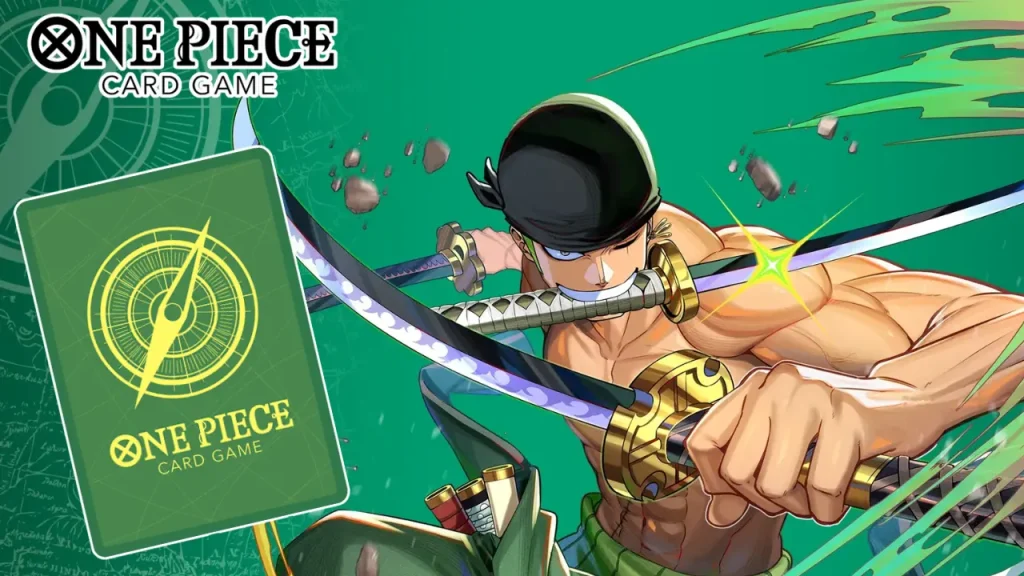
Green leaders in the One Piece Card Game stand out because they approach the game differently from most other colors.
Instead of focusing purely on speed, removal, or ramp, green decks tend to revolve around resting cards, controlling attack flow, restanding key pieces, and making every DON!! decision matter.
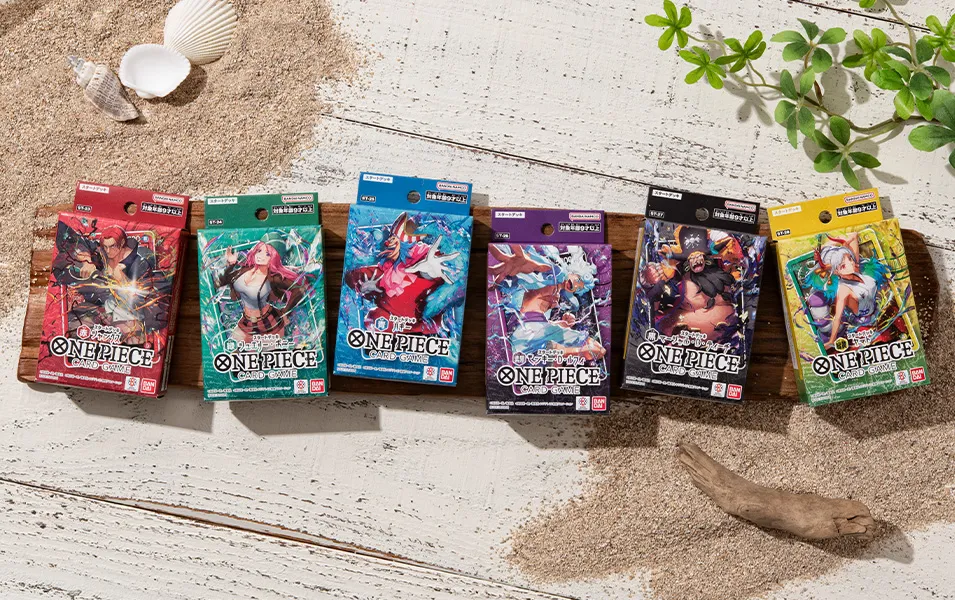
That flexibility is what makes the color so interesting, since its best leaders can shift between defensive control, steady pressure, and technical tempo depending on the support around them.

Some of these leaders defined early formats, while others helped bring green back into relevance in more recent competitive play.
This ranking looks at competitive impact, peak strength, long-term influence, deck identity, and how well each leader represents what green can do in the One Piece Card Game.
5. OP14-020 Dracule Mihawk
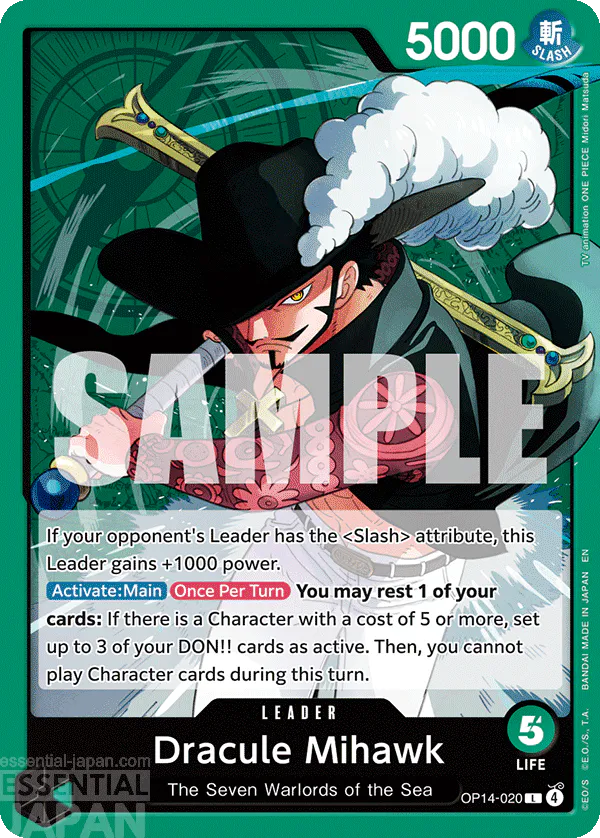
OP14-020 Dracule Mihawk earns a place because he gave green a newer kind of resource-focused control plan without turning the color into something unrecognizable.
As a mono-green leader from The Azure Sea’s Seven, Mihawk is built around resting one of your own cards to set up to three DON!! cards as active when there is a character with a cost of 5 or more on the board.
That effect sounds simple at first, but the real appeal comes from how it lets the deck stretch its turns once the right setup is in place.
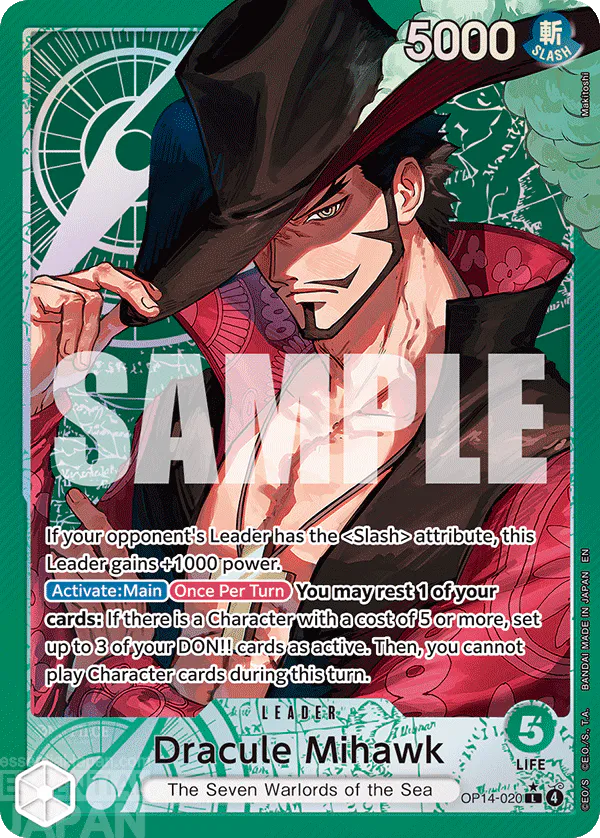
Mihawk can commit to a larger character, rest the right card, open DON!! back up, and still threaten events or follow-up effects that make the opponent’s next move much more uncomfortable.
He also fits green’s wider identity well because the deck is not just trying to overwhelm the opponent with raw numbers.
It wants to use rested cards, defensive timing, and efficient resource loops to make every exchange feel slightly tilted in Mihawk’s favor.
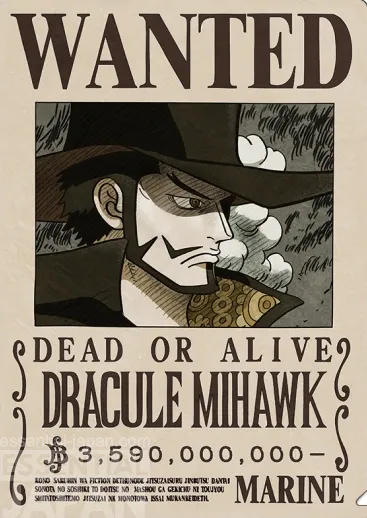
The reason he sits at number five rather than higher is that he is still a more recent leader compared to the cards that defined entire earlier formats or carried green for longer periods.
Even so, his current relevance makes him difficult to leave out.
For players who want a green leader that feels modern, controlled, and built around making extra use of DON!! without becoming a pure ramp deck, Dracule Mihawk is one of the strongest newer choices.
4. OP06-022 Yamato
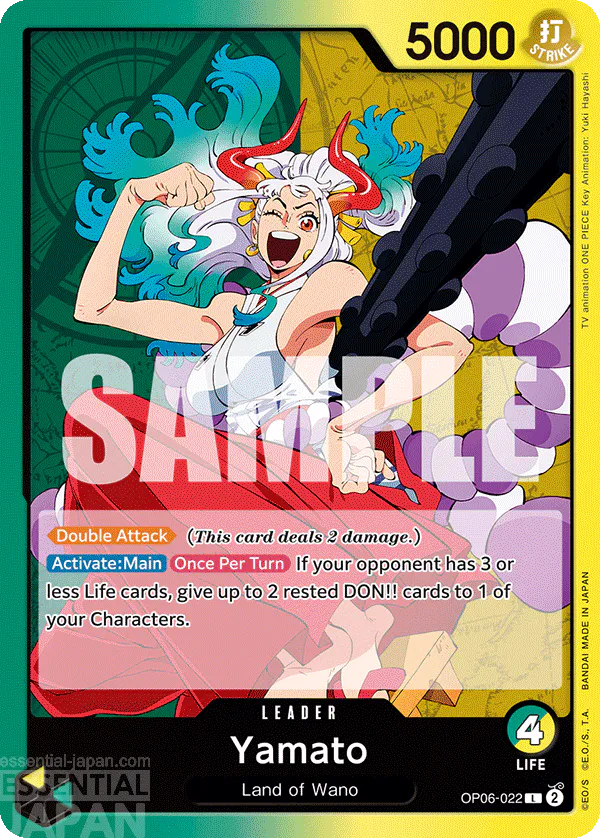
OP06-022 Yamato is one of the most immediately threatening green leaders because Double Attack changes the way opponents have to respect the game from the very first turn.
As a green and yellow leader from Wings of the Captain, Yamato starts with the kind of pressure most leaders need to build toward, which makes every leader swing feel more serious than usual.
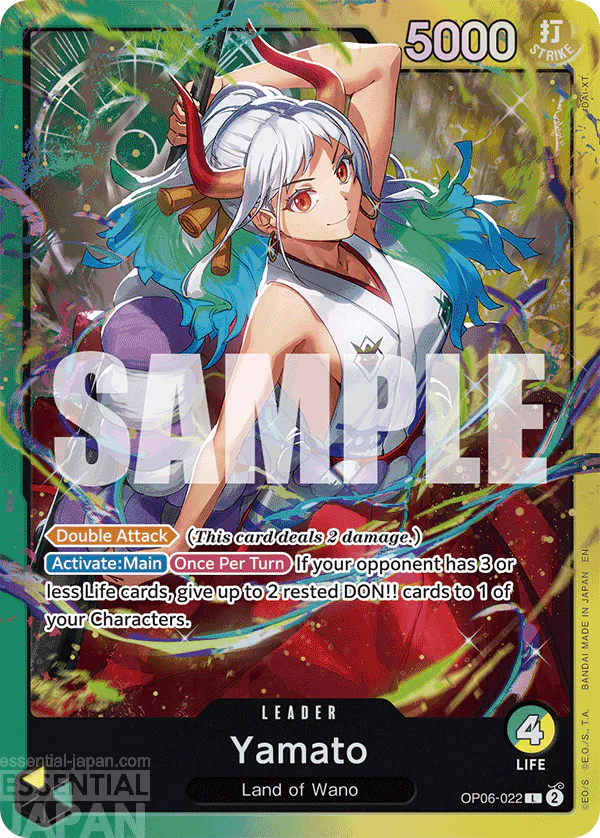
The green side adds important resting and tempo tools, while the yellow side gives the deck access to life-based pressure and recovery angles that make Yamato feel harder to judge than a normal aggressive leader.
That combination is exactly why the card became so popular with players who wanted a deck that could attack hard without feeling completely one-dimensional.
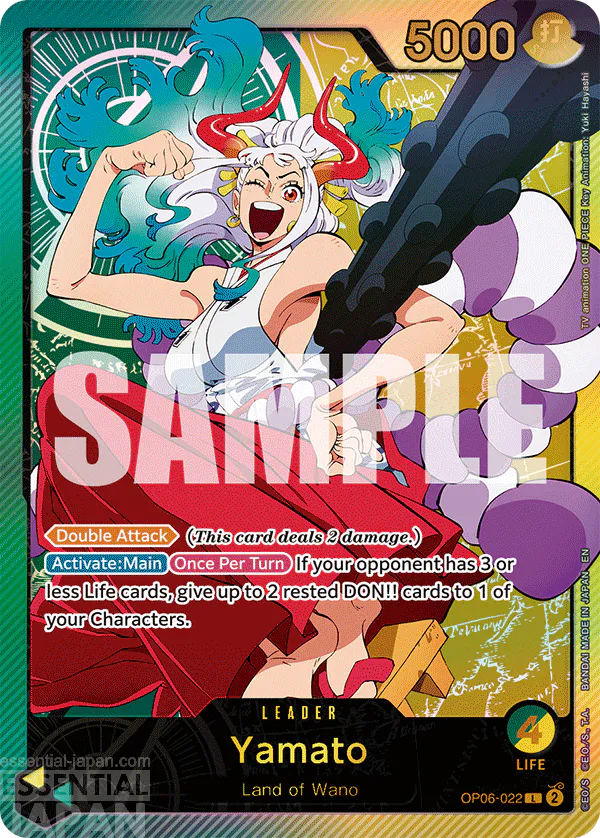
Yamato’s second effect also matters once the opponent drops to 3 or less life, because giving rested DON!! to a character can turn later turns into much more dangerous closing sequences.
This leader is not always the safest pick in every format, because four life and an aggressive plan can punish players who misjudge when to push and when to protect their hand.
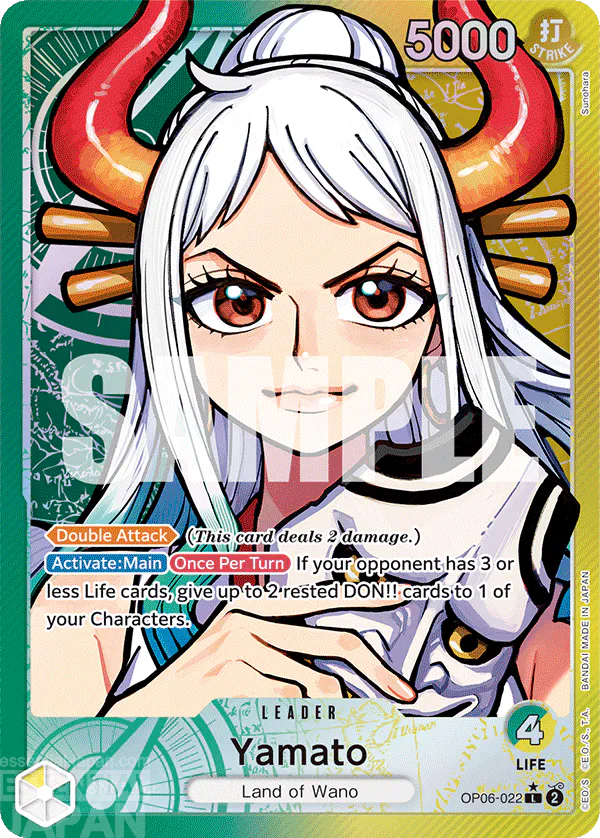
That risk is part of the appeal, because Yamato rewards confidence and makes the opponent answer a real clock very early.
For players who want a green leader that can pressure life totals immediately while still using the color’s board-control tools, OP06 Yamato absolutely deserves a place in the top five.
3. ST02-001 Eustass”Captain”Kid
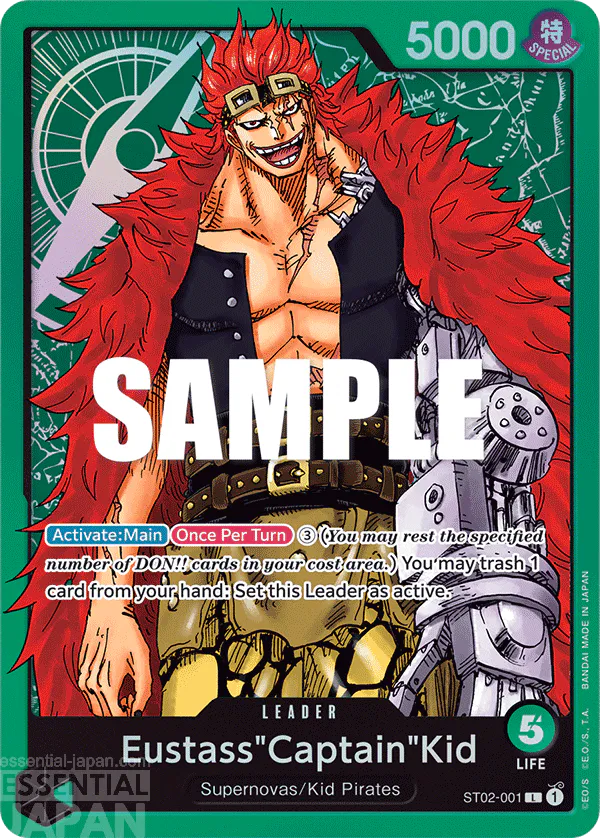
ST02-001 Eustass”Captain”Kid is one of the original green leaders that helped players understand how annoying the color could be when it was allowed to keep attacking.
Coming from the Worst Generation starter deck, Kid has a very direct effect that lets you rest three DON!!, trash a card from your hand, and set the leader as active once per turn.
That restand effect gave early green one of its clearest identities, because Kid could turn a normal leader attack into a second swing and force opponents to respect lethal math in a very different way.
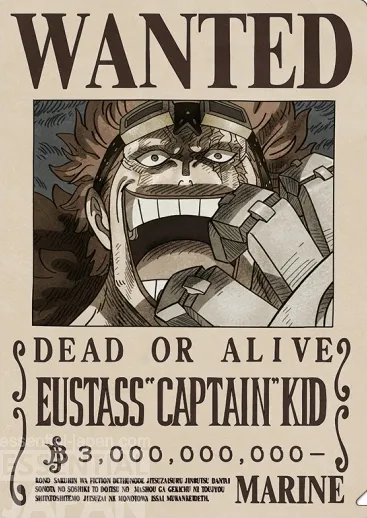
He was not fancy, but he was extremely easy to understand in the best possible sense.
Build a board, pressure with characters, attack with leader, and threaten another leader swing if the opponent leaves themselves too exposed.
Kid also helped show that green could be aggressive without needing to look like red, because his pressure came from repeat attacks, defensive tools, and the threat of turning one leader into two attackers when the timing was right.
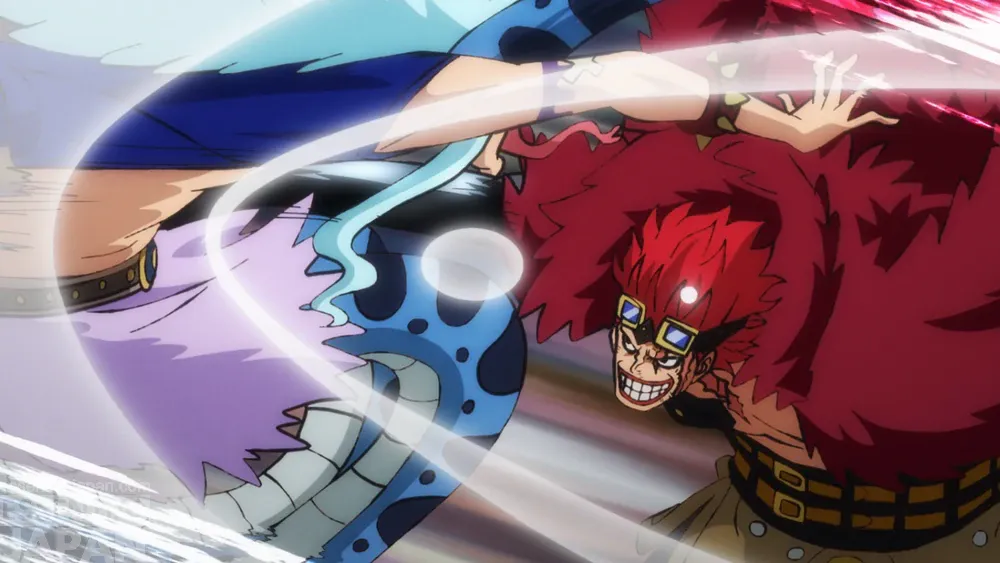
The card pool has moved far beyond those early starter deck days, so Kid does not feel like the strongest modern green option anymore.
Even with that in mind, his influence is hard to ignore.
For players who remember the early One Piece Card Game formats, ST02 Eustass”Captain”Kid remains one of the most important green leaders the game has ever had.
2. OP07-019 Jewelry Bonney
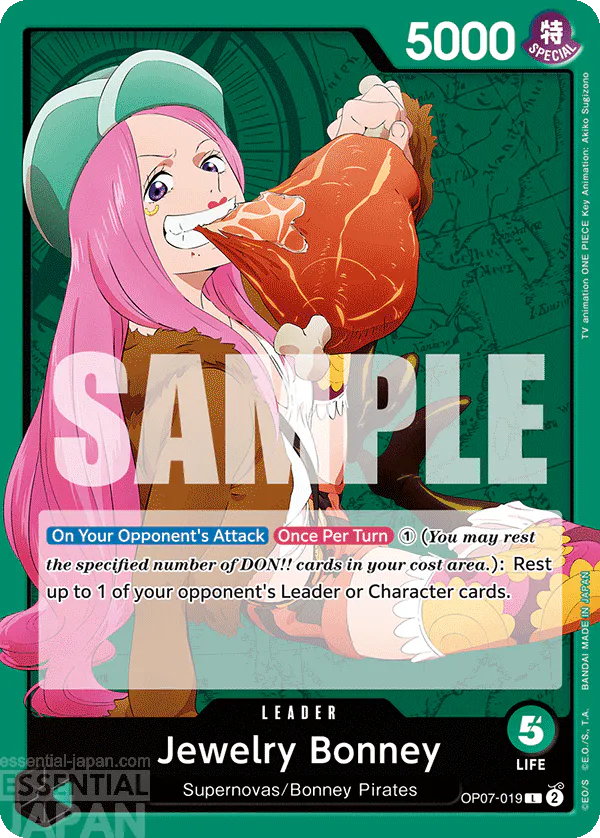
OP07-019 Jewelry Bonney is probably the clearest example of green becoming frustrating in exactly the way playing against green should be.
As a mono-green leader from 500 Years in the Future, Bonney specializes in defense by resting one DON!! during the opponent’s turn to rest one of their attacking leaders or characters.
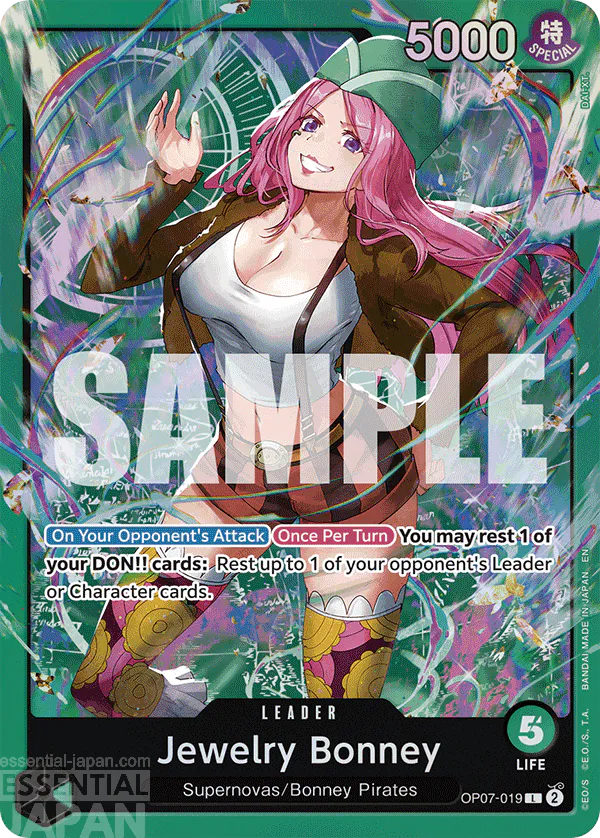
That kind of effect changes the whole rhythm of a game because the opponent can no longer plan attacks as cleanly as they would against a normal leader.
One swing can simply disappear from the turn, and that makes huge attackers, lethal pushes, and carefully counted attack sequences much harder to line up.
Bonney also benefits from strong Supernovas support, giving the deck a natural identity rather than making it feel like a generic pile of defensive green cards.
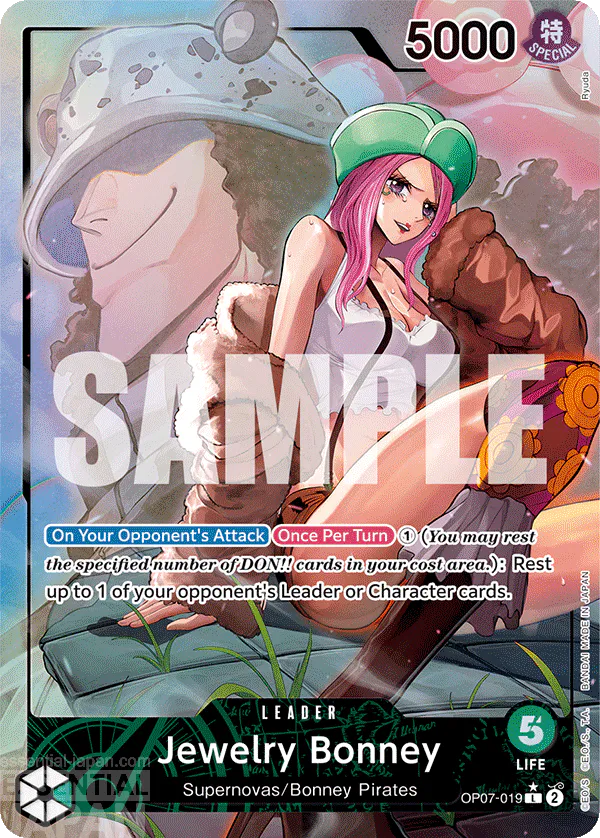
The result is a leader that can slow the opponent down, survive longer than expected, and turn board positioning into a constant problem for the other side.
What makes Bonney so impressive is that she brought green back into serious competitive conversations for a long stretch, especially because her ability stays relevant no matter how many new threats enter the game.
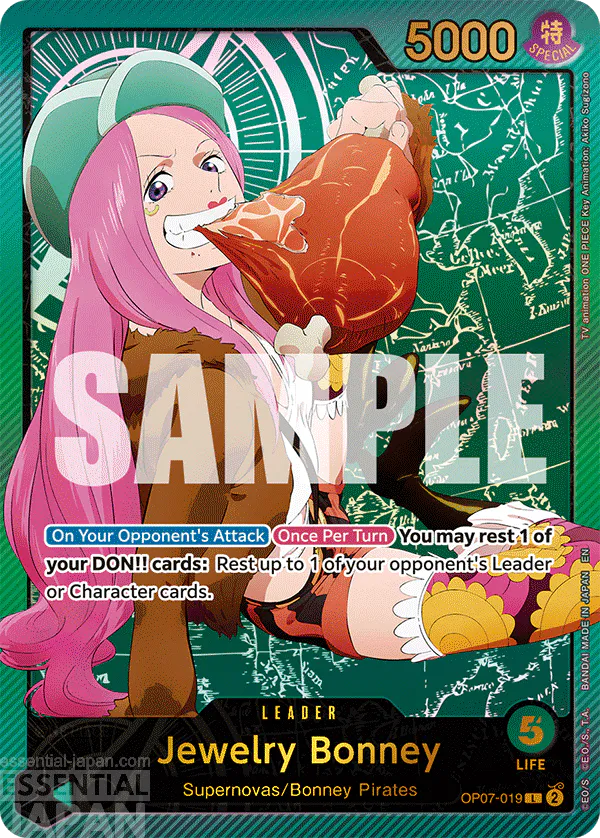
As long as opponents want to attack, Bonney has a way to make at least one of those attacks awkward.
For players who want a green leader built around control, patience, and forcing the opponent to play around one of the most irritating defensive effects in the game, Jewelry Bonney is one of the best choices ever printed.
1. OP16-022 Monkey.D.Luffy
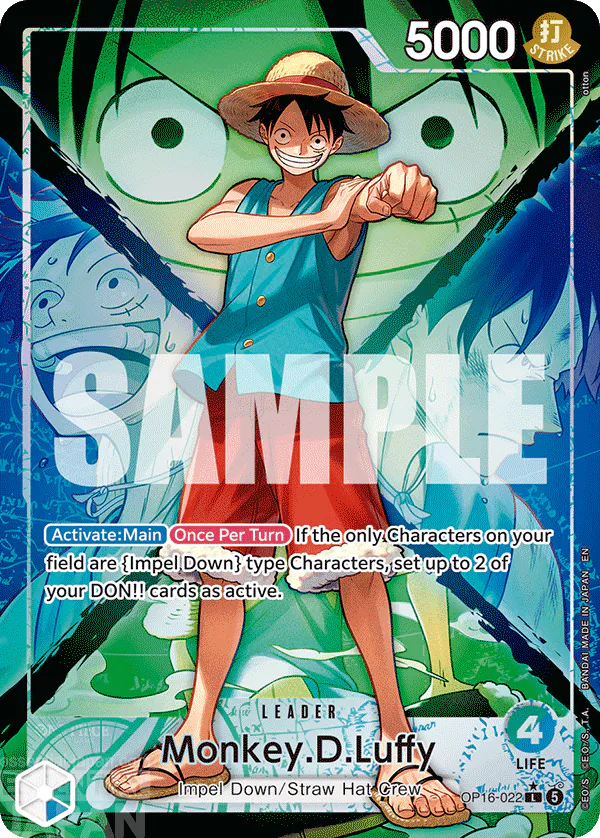
OP16-022 Monkey.D.Luffy takes the number one spot because he currently feels like the green leader pushing the color furthest forward.
As a blue and green leader from The Time of Battle, this version of Luffy brings the Impel Down release into the center of the modern game while giving green a very different kind of tempo plan from Bonney, Kid, or Mihawk.
The leader’s ability to restand two DON!! may look modest compared to flashier effects, but the deck turns that small resource refund into a much bigger problem once the right cards start stacking together.
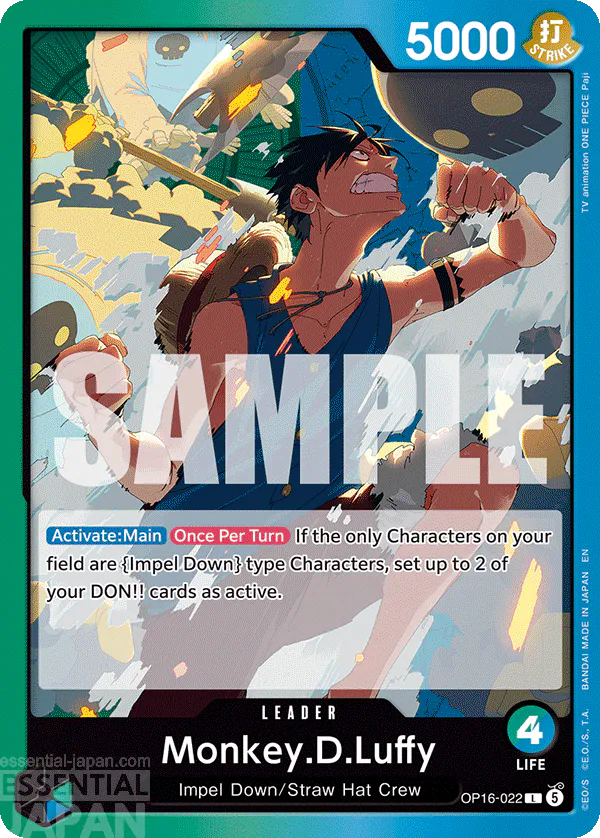
That is what makes Blue/Green Luffy so dangerous.
He does not need one dramatic leader text box to explain everything, because the deck’s strength comes from how efficiently it turns bodies, events, DON!! usage, and repeated pressure into a board that can snowball before the opponent is ready.
The blue side gives the deck extra tempo and interaction options, while the green side helps support the kind of restand and board-focused play that makes the leader feel so hard to slow down once it starts moving.
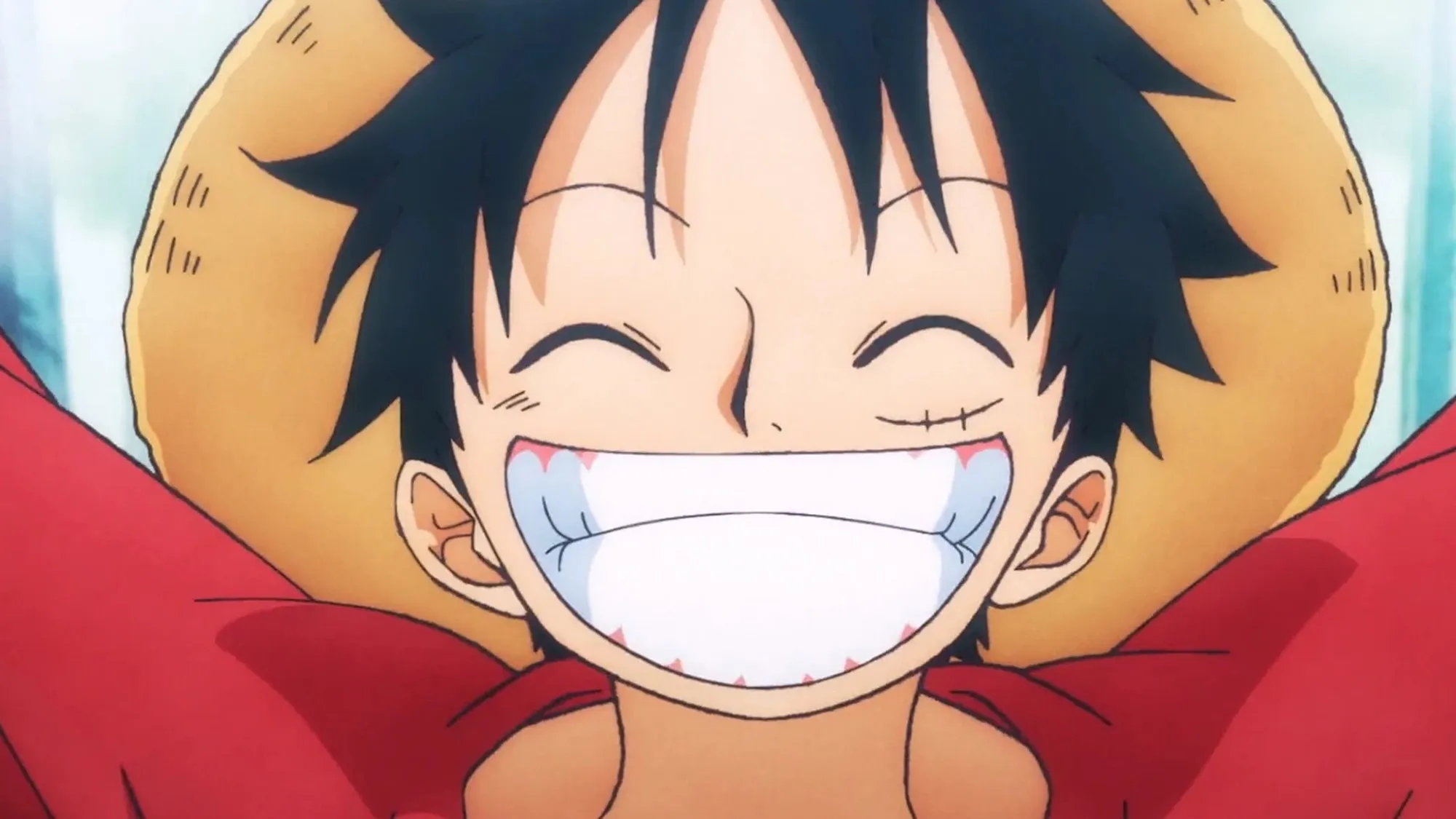
He also earns the top spot because this is not just an interesting new leader in theory.
As of the release of the OP16 “The Time of Battle” booster set, Blue/Green Luffy has quickly become one of the decks players have to prepare for, which gives him immediate weight in the wider green leader conversation.
Some older leaders may have more nostalgia, and Bonney may still have the cleaner defensive identity, but OP16 Luffy feels like the strongest green leader card right now.
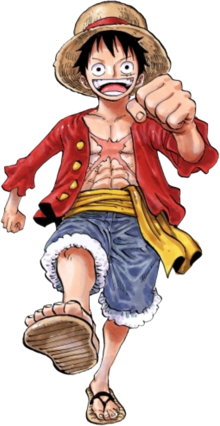
For players who want a green leader with current meta relevance, explosive board development, and enough flexibility to keep evolving with new support, OP16 Monkey.D.Luffy is the card to beat.
An honorable mention should go to OP01-002 Trafalgar Law, because the original red and green Law remains one of the most important early leaders in the game’s history.
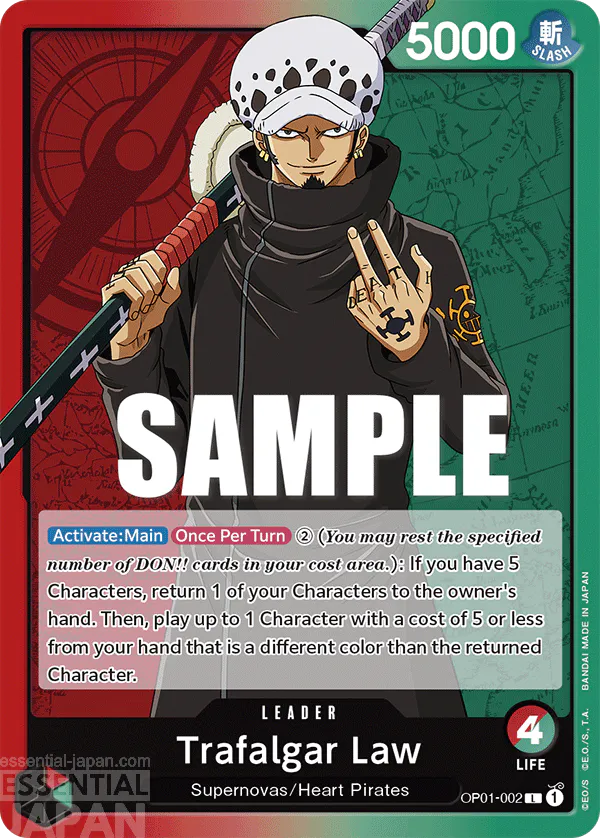
His ability to return one of your own characters and play another character of a different color helped prove that green could support technical tempo decks rather than only straightforward board pressure.
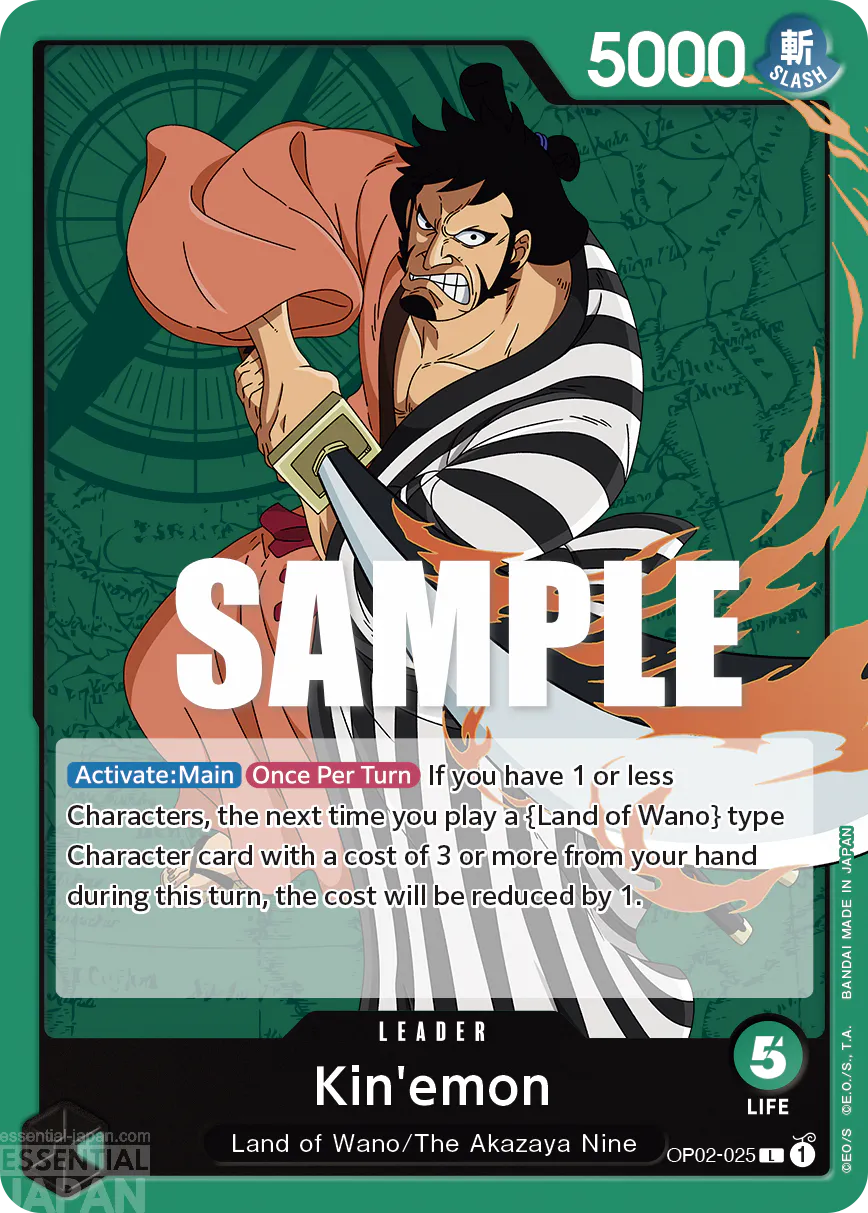
OP02-025 Kin’emon also deserves credit for giving Land of Wano players a high-pressure green leader that could play key characters earlier than expected.
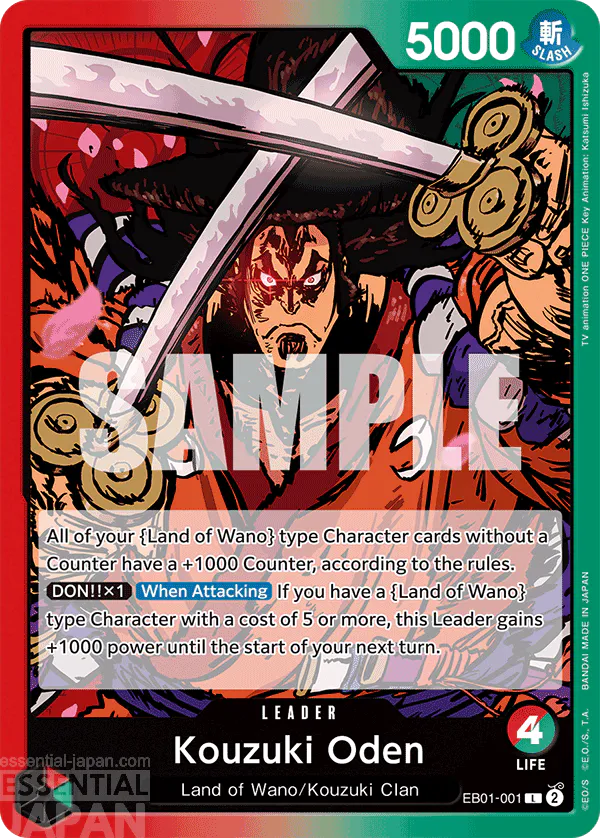
EB01-001 Kouzuki Oden is worth mentioning too, especially for players who like red and green Wano decks with constant leader pressure and strong character support.
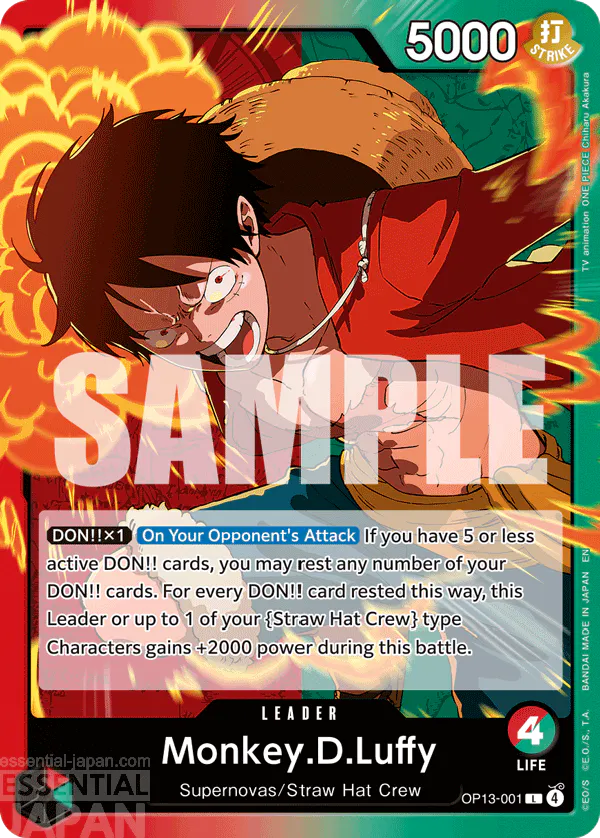
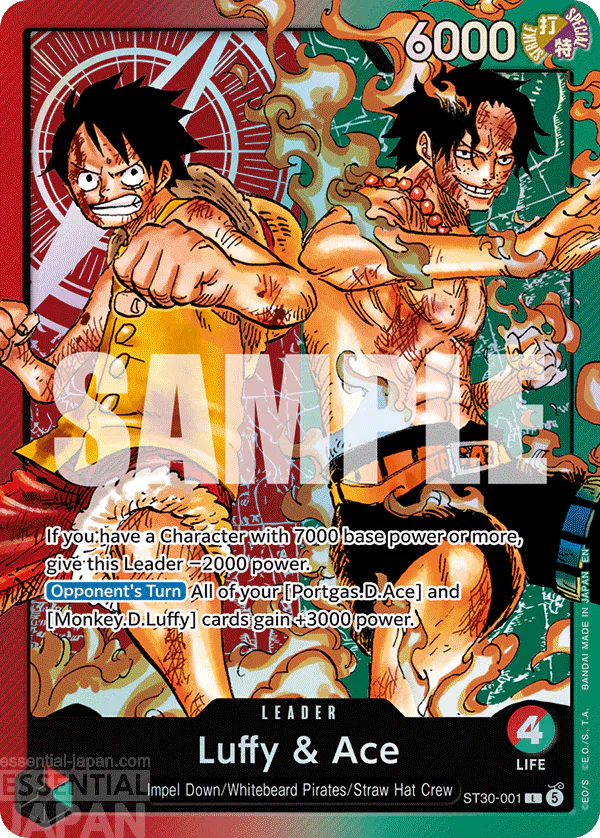
OP13-001 Monkey.D.Luffy and ST30-001 Luffy & Ace are also names to watch, because both show how green continues to work well when paired with red pressure and Straw Hat-style support.
In our view, OP16 Monkey.D.Luffy, OP07 Jewelry Bonney, ST02 Eustass”Captain”Kid, OP06 Yamato, and OP14 Dracule Mihawk represent the strongest overall green leader cards in the One Piece Card Game.
Together, they show almost every major side of green, from defensive attack denial and leader restands to Double Attack pressure, DON!! efficiency, modern tempo play, and the kind of board-focused strategy that makes the color feel so different from the rest of the game.

If you enjoyed this article, you can see more from us directly in your Google feed by adding us as a preferred source.
This post may contain affiliate links, and Essential Japan may earn a commission if you purchase through them.