
China and Trump blamed as Honda loses billions
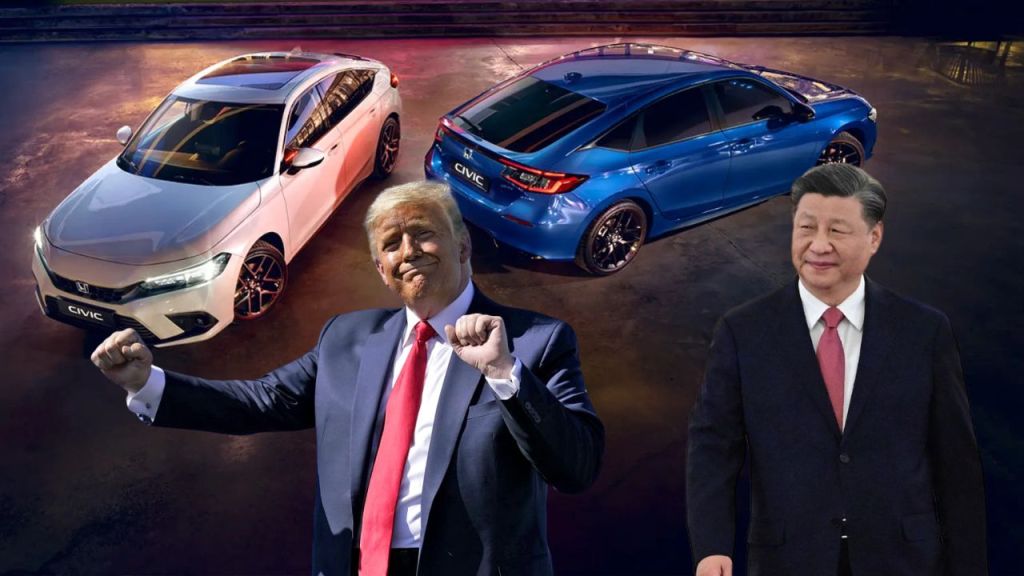
Honda has reported a huge 24.5% decline in its annual profit for the fiscal year ending March 2025, thanks in part to lower sales in China.
The company, which recently saw the collapse of potential business integration talks with domestic rivals Nissan and Mitsubishi, also issued a warning regarding the anticipated negative impact of tariffs enacted by President Trump.
The Tokyo-based automotive giant announced that its annual profit totaled 835.8 billion yen ($5.6 billion USD), a substantial drop from the 1.1 trillion yen recorded in the previous fiscal year.
Despite the profit decrease and falling sales numbers in China, Honda’s annual global sales saw a modest increase of 6.2%, reaching nearly 21.69 trillion yen ($147 billion USD).
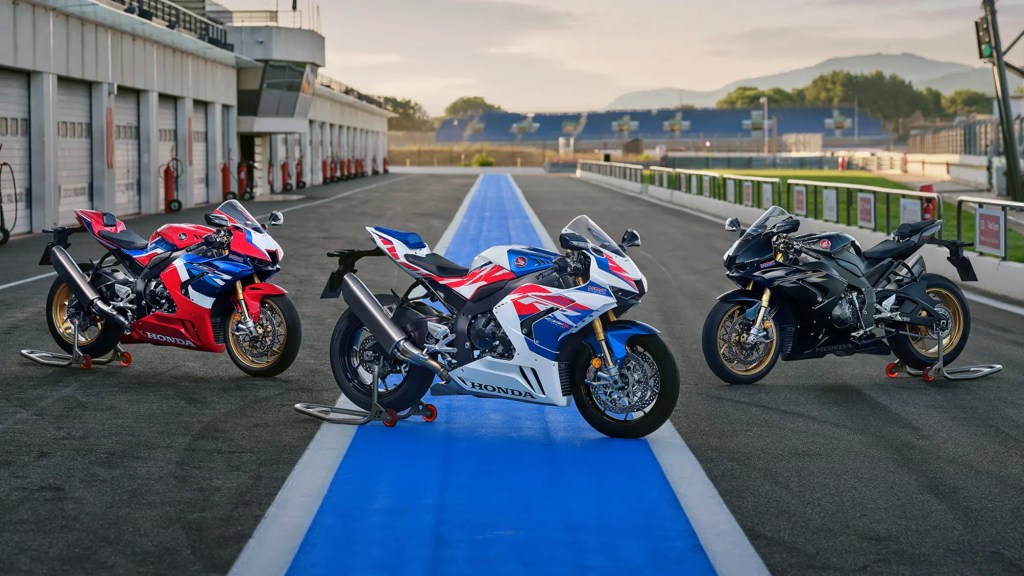
The company cited increased research and development costs as a contributing factor to the profit slip, even as its global motorcycle sales achieved a record high for the fiscal year, surpassing 21 million units.
Against the backdrop of low sales in the Chinese market, Honda reported strong performance in its hybrid vehicle sales within the United States.
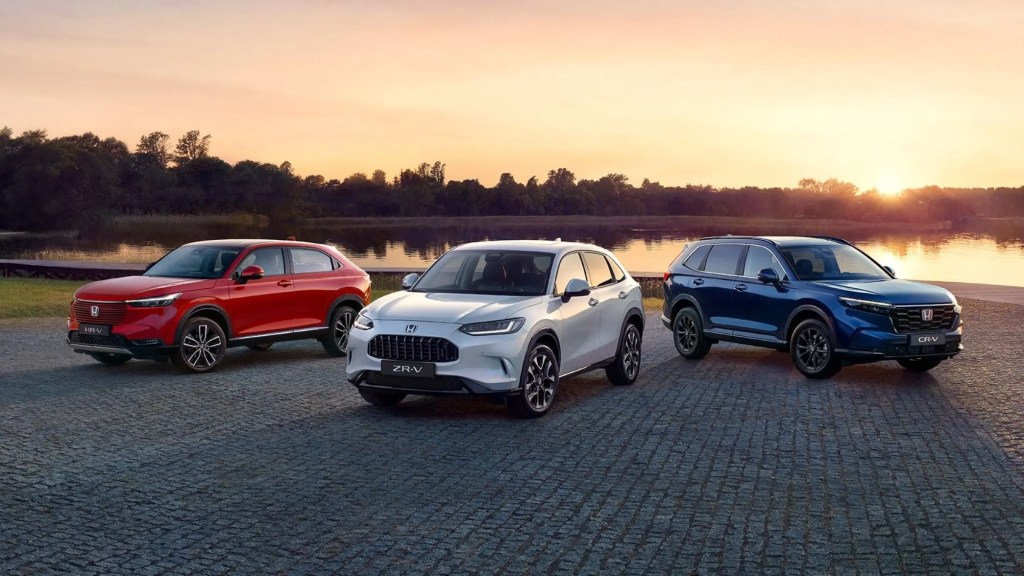
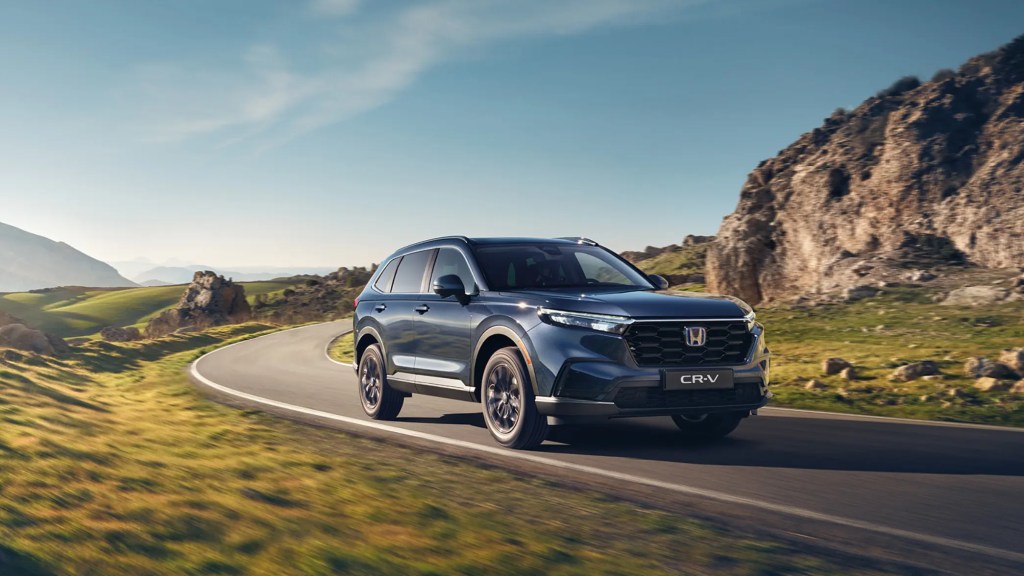
They also noted an improvement in the company’s profitability per vehicle for the fiscal year, despite the overall profit decline. This positive trend was observed across its popular models, including the Accord sedan and CR-V sports-utility vehicle.
The positive aspects of the financial report were overshadowed by concerns regarding international trade policies.
Executive Vice President Noriya Kaihara explicitly acknowledged the likely adverse effects of tariffs imposed by the U.S. President. He projected that these tariffs could erase a significant 650 billion yen ($4.4 billion USD) from Honda’s operating profit for the fiscal year ending March 2026.
This projected impact is primarily attributed to U.S. tariffs levied on vehicles imported from Canada and Mexico which will affect Honda’s North American factories.
Honda’s direct vehicle shipments from Japan to the U.S. are described as negligible.
While Honda officials emphasized the significant uncertainties that remain in the global economic landscape, they stated the importance of providing a realistic financial outlook, even if it presented a pessimistic scenario.
Chief Executive Toshihiro Mibe provided assurances that Honda is committed to minimizing the negative consequences of these tariffs. In the long term, Honda intends to strategically transfer more of its automobile production to its plants within the United States and will carefully reconsider its future investment strategies.
Mibe also reaffirmed Honda’s ongoing commitment to its plans for increased production of electric vehicles (EVs), despite the current global trade climate.
This statement comes amidst a backdrop of various automakers expressing confusion and concern regarding the U.S. governments apparent opposition to EVs and the imposition of tariffs, with some companies even scaling back their electrification plans as a result.
Looking ahead, Honda is projecting a dramatic 70% drop in profit for the fiscal year ending March 2026, forecasting a net income of just 250 billion yen ($1.7 billion USD) on sales of 20.3 trillion yen ($137 billion USD), a 6% decrease from the just-concluded fiscal year.
The financial report also briefly touched upon the earlier failed merger talks with Nissan and Mitsubishi.

The three Japanese automakers had announced in December 2024 their intention to explore the establishment of a joint holding company before Nissan withdrew from talks.
This was reportedly due to concerns about Nissan being at a competitive disadvantage compared to Honda following the merger, due to how the new company would be structured.
Source: The Mainichi
Images: © Honda, Mitsubishi

If you enjoyed this article, you can see more from us directly in your Google feed by adding us as a preferred source.

This post may contain affiliate links, and Essential Japan may earn a commission if you purchase through them.