Buying Pokémon Cards in Japan: What’s Worth Bringing Home
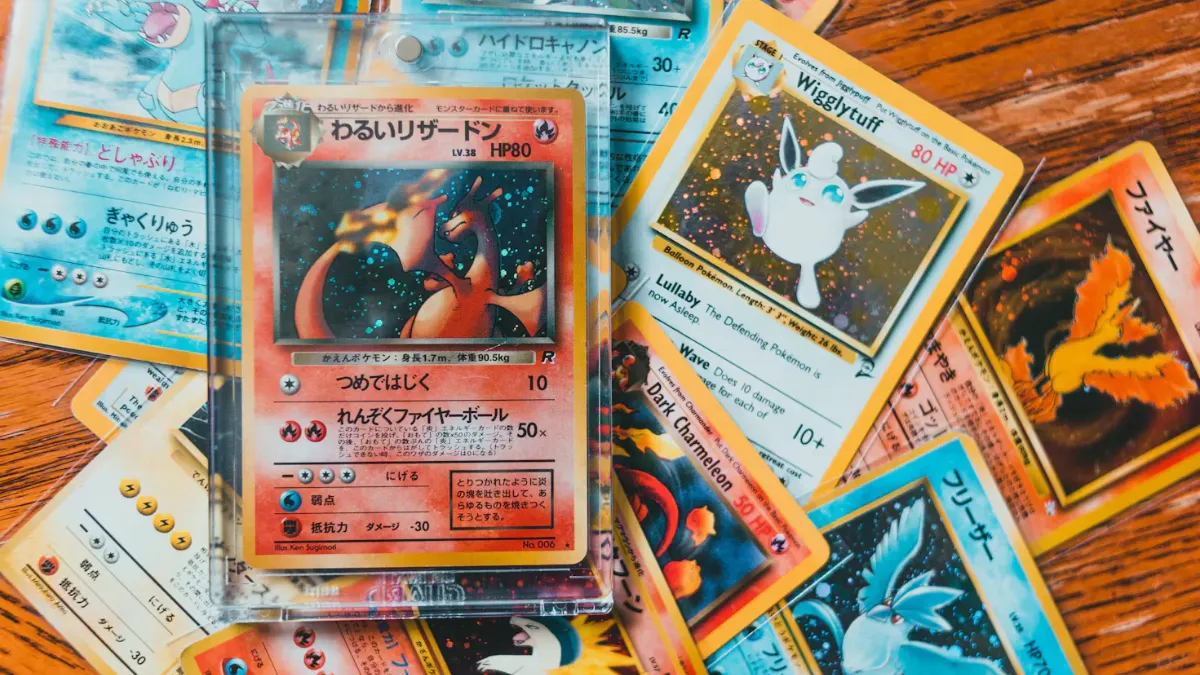

For a lot of visitors, a trip to Japan now includes a stop at a Pokémon Center and a few hours in the card shops of Akihabara or Nakano Broadway. Glass cases full of singles, sealed boxes stacked to the ceiling, and prices in yen that look very tempting after a long-haul flight.
Before you fill your suitcase, it helps to know what Japanese cards are worth back home, because most of them are worth less than you’d think and a few are worth a great deal more.
Most Japanese cards are cheap
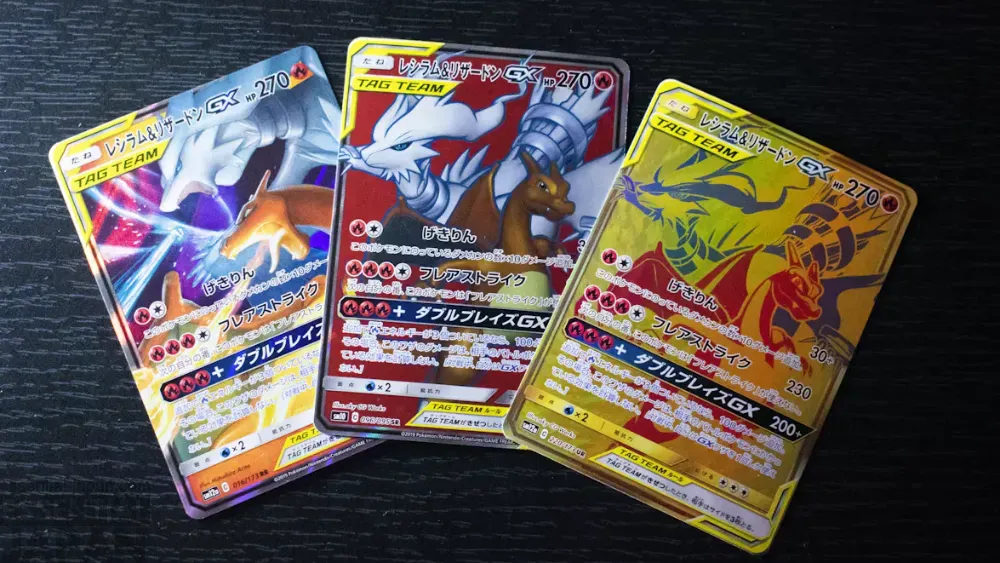
There are around 20,900 Japanese-language Pokémon cards across 212 sets and promo lines.
The median raw price is about $2.53 USD, and 63% of them sell for under $5.
Those are the commons, uncommons, and regular rares that fill every pack.
The money sits in a narrow slice at the top. About 1,000 Japanese cards are worth $100 or more raw, and only 159 clear $1,000.
CardTrack keeps a full guide to Japanese Pokémon card values, with raw and graded prices, if you want to check something before you buy it.
Japanese cards also tend to sell for less than the English version of the same card.
The overseas market for English cards is simply bigger.
That’s good news if you’re collecting, and worth remembering if you’re buying to resell.
What’s in the cases at the top
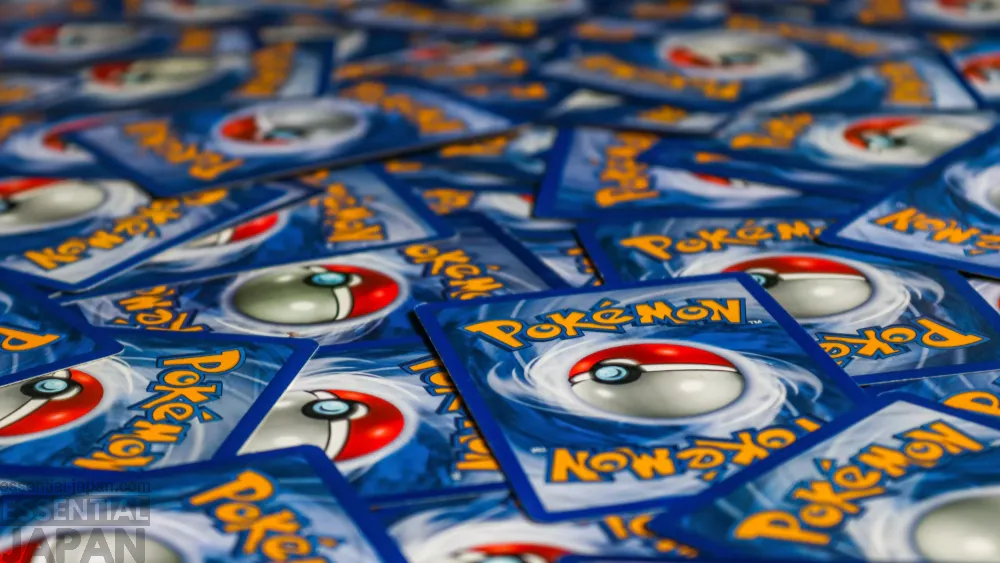
The most expensive Japanese cards are mostly older promos and Gold Star cards from the mid-2000s.
The single priciest raw card right now is a Lillie promo from the Sun & Moon era, at around $26,500.
A Japanese Gold Star Mew sits at about $11,400, and the Gold Star Hoenn starters (Treecko, Torchic and Mudkip) are each around $8,800.
You will see these in shop cases in Tokyo, usually behind glass with a price tag in the hundreds of thousands of yen.
If you’re tempted, convert carefully, check the condition in person, and compare with recent sold prices before you hand over your card.
Pokémon Center: sealed product and exclusives

Pokémon Center stores are the best place for sealed product and anything exclusive to Japan, such as store-only promo cards, sleeves, and seasonal collections.
New sealed releases often come with purchase limits, and the hottest ones are sometimes sold by lottery rather than first come, first served.
Check the store’s announcements before you go if there’s a specific release you’re after.
Store-exclusive merchandise is often the better souvenir.
It’s hard to get outside Japan, and unlike a booster box, you know exactly what you’re getting.
Booster boxes: open for fun, not for profit
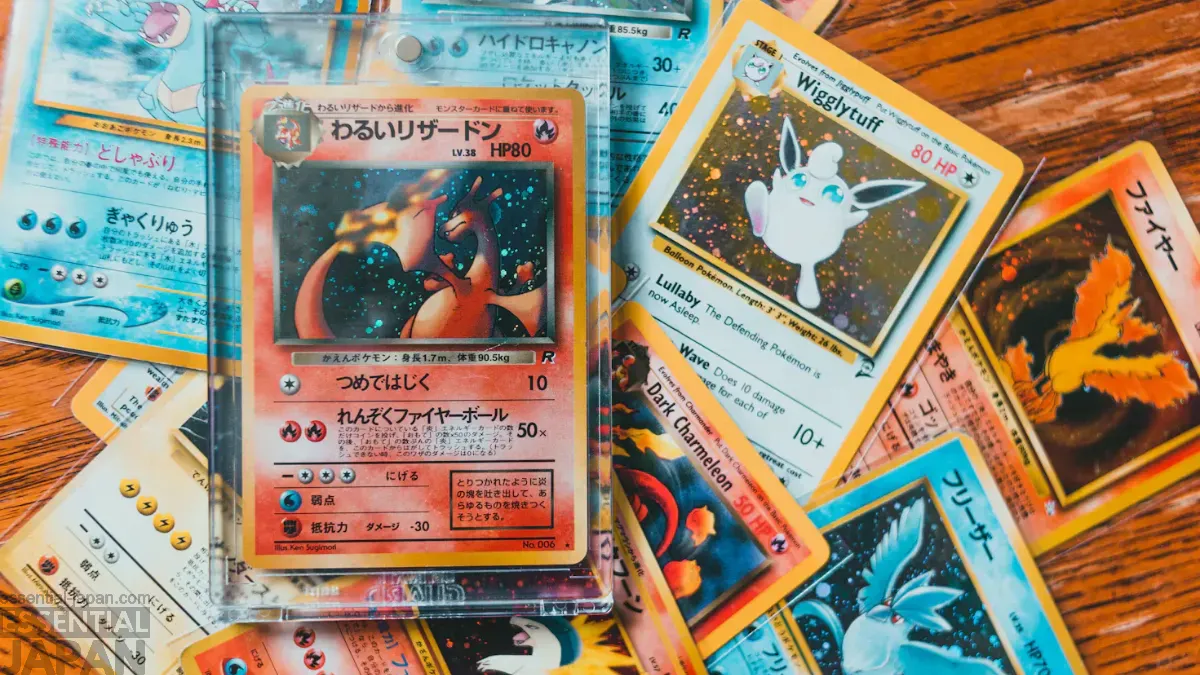
Japanese booster boxes are cheaper than English ones, and opening Japanese packs is a lot of fun, but don’t expect to come out ahead.
The same pattern holds in every language: the average value of the cards in a modern box is usually well below what the box costs, and you’re paying for the chance at a chase card rather than the expected return.
If there’s one particular card you want, buying it as a single in a shop is almost always cheaper than trying to pull it.
A few practical tips
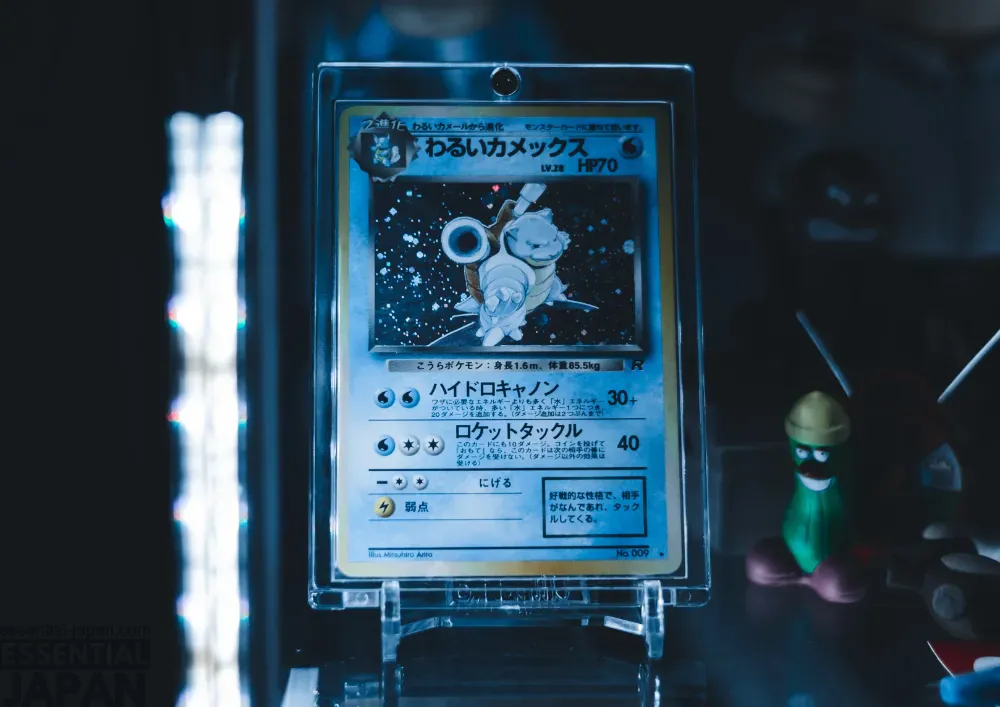
Look closely at condition before you buy singles.
Japanese cards are generally well printed, but centering and edge wear still vary from copy to copy, and shops grade condition differently.
Keep sealed boxes in your carry-on if you can.
Crushed corners on a box knock real value off it.
Check prices in US dollars before you buy, not just in yen.
A card that looks like a bargain at ¥15,000 might cost the same or more than you’d pay at home once you convert.
And leave room in the suitcase.
Everyone who goes card shopping in Tokyo says they’ll only buy a few things.

If you enjoyed this article, you can see more from us directly in your Google feed by adding us as a preferred source.
This post may contain affiliate links, and Essential Japan may earn a commission if you purchase through them.