
JR East to increase train fares for first time in 37 years
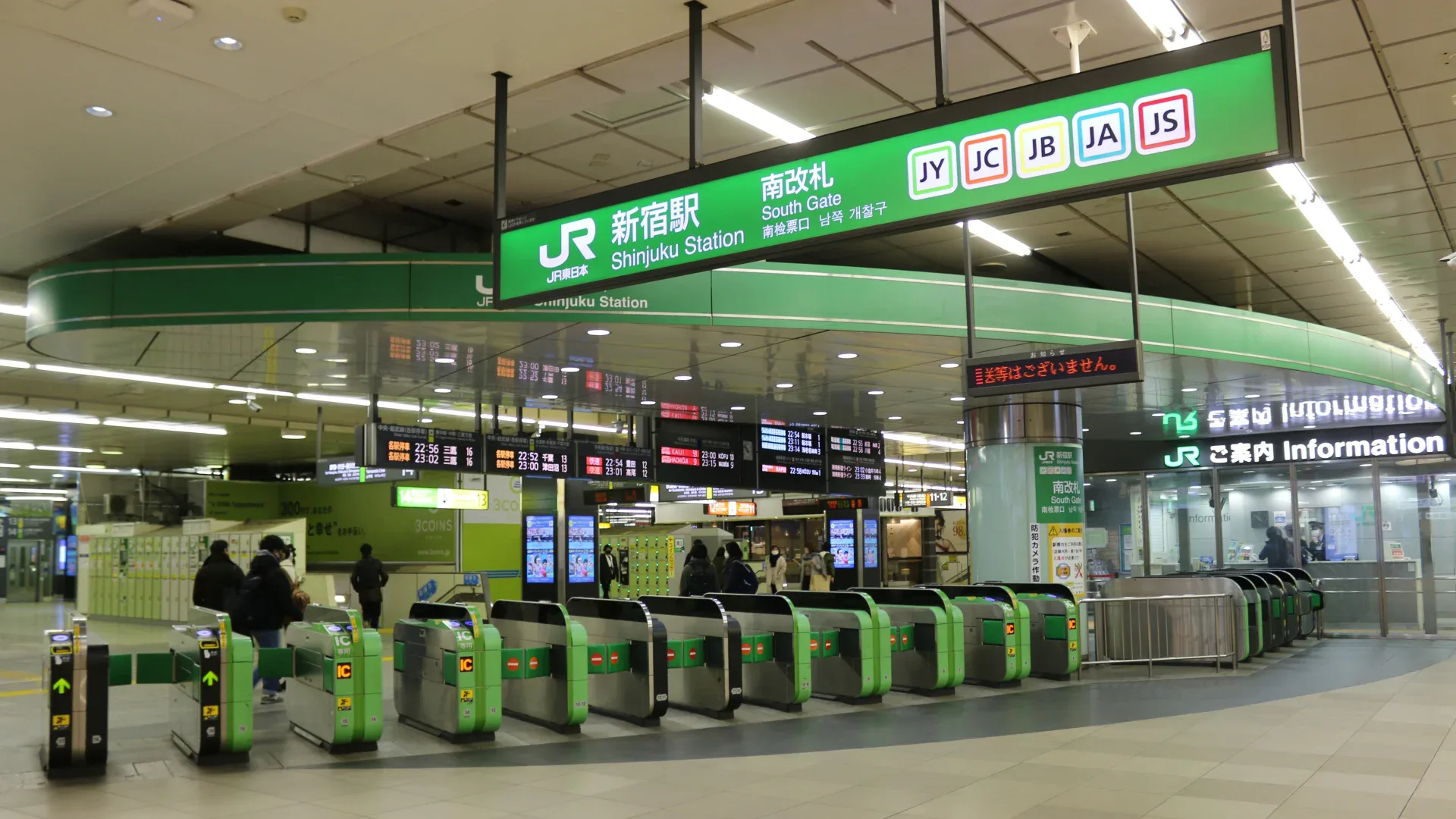
East Japan Railway Company (JR East), one of Japan’s largest railway operators, has officially announced that it will raise its passenger fares beginning in March 2026.
This decision, the first fare increase by the company since its establishment in 1987, excluding adjustments for consumption tax, is a direct response to rising operational costs and the need for significant investment in railway safety and infrastructure.
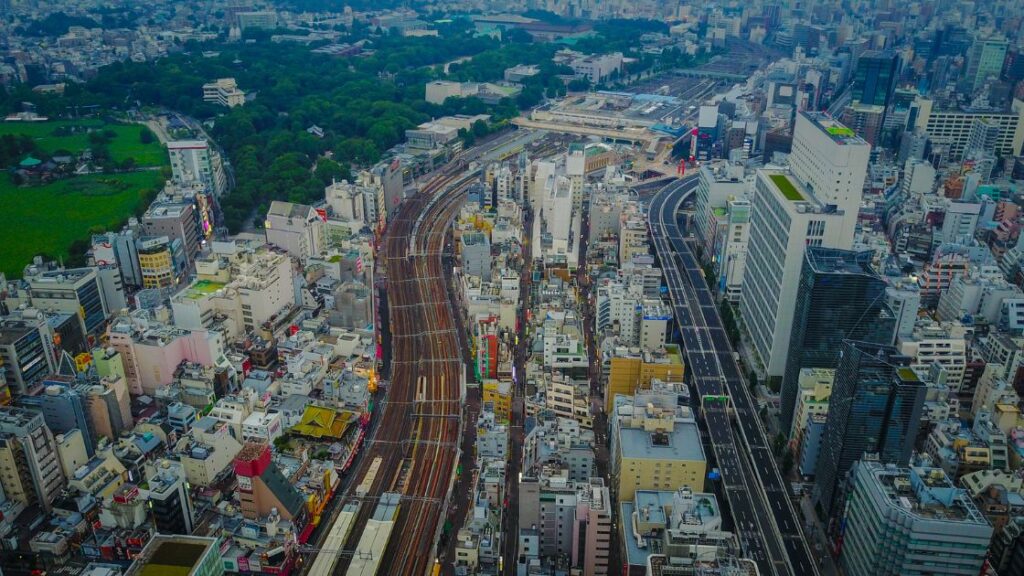
The company is a key part of Japan’s world-renowned public transportation system, particularly in the Tokyo metropolitan area, and JR East has long upheld a reputation for efficiency and reliability.
Over the past few years, the financial demands of maintaining this world-class standard have grown unsustainable.
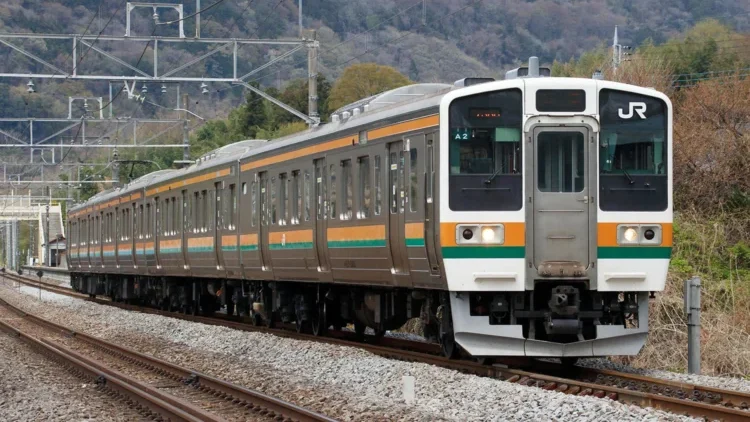
The company initially sought government approval for the fare hike in December 2024, with Executive Vice President Chiharu Wataru highlighting the necessity of extra effort and additional money to ensure safe railway operations.
The fare adjustment is expected to generate an estimated ¥88.1 billion in annual revenue.
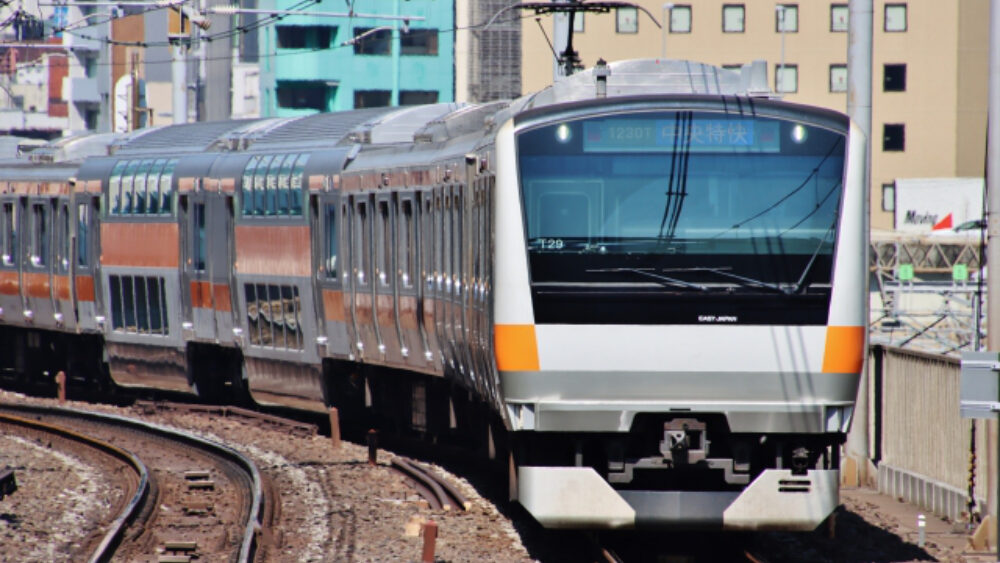
JR East plans to strategically allocate these funds toward a range of key areas.
A significant portion will be dedicated to essential equipment upgrades and repairs, ensuring the ongoing safety and reliability of its vast network.
The new revenue will also be used to offset rising operational costs, such as energy and materials, and to support its staff through wage increases.
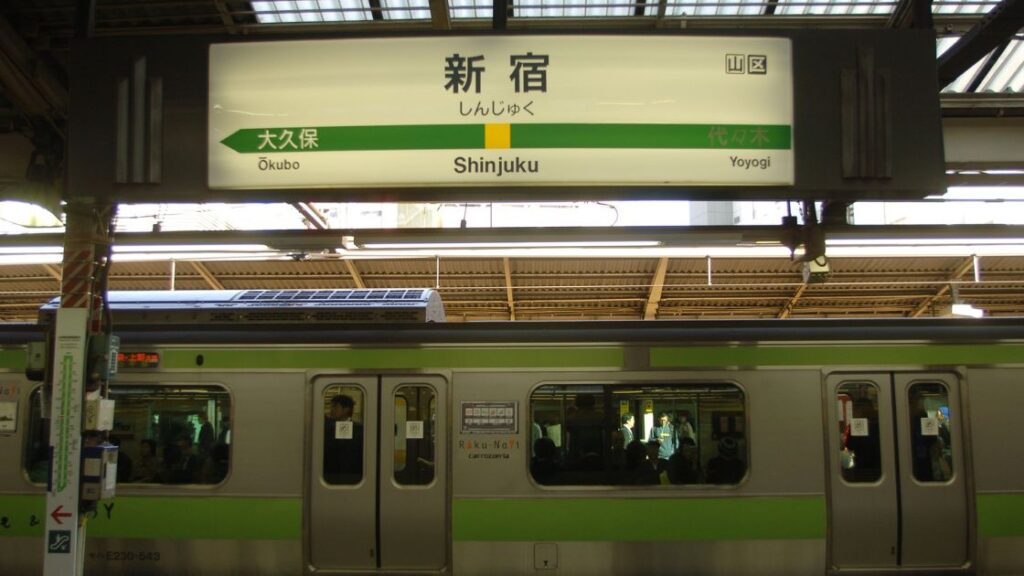
The average fare will climb by 7.1%. For daily commuters on the vital Yamanote Line, a central Tokyo loop line, the base fare will increase by ¥10, from ¥150 to ¥160.
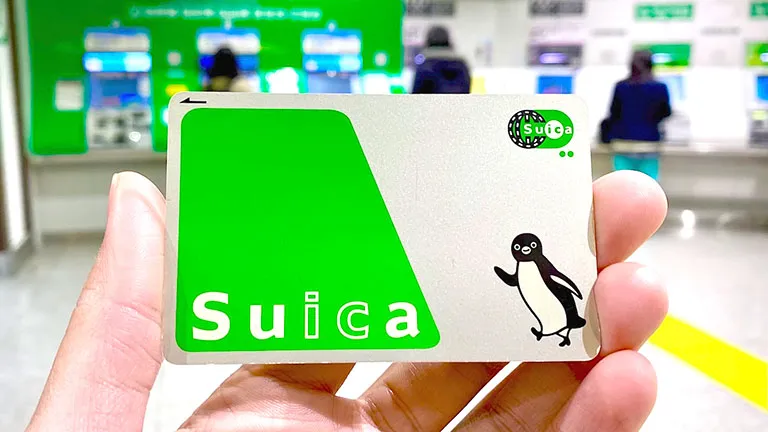
JR East will continue to offer a slight discount for passengers using IC (Integrated Circuit) cards like Suica and PASMO.
The price increase for these cardholders will be between ¥8 and ¥9, which reinforces the company’s efforts to encourage IC card usage as part of a streamlined travel experience and reduce ticket gate congestion.
Japan’s public transportation system is internationally celebrated for its punctuality, cleanliness, and comprehensive coverage, however, the costs associated with maintaining such a vast and complex system are constantly increasing.
This fare hike is part of a broader trend among major transportation providers in Japan.
Facing similar financial pressures, Tokyo Metro, for instance, implemented its first fare increase in 28 years in March 2023 and is already considering another adjustment in the near future.

Source: Press Release
This post may contain affiliate links, and Essential Japan may earn a commission if you purchase through them.