
Japan Makes Arrests Over Widespread $600,000 Chinese Visa Fraud Scheme
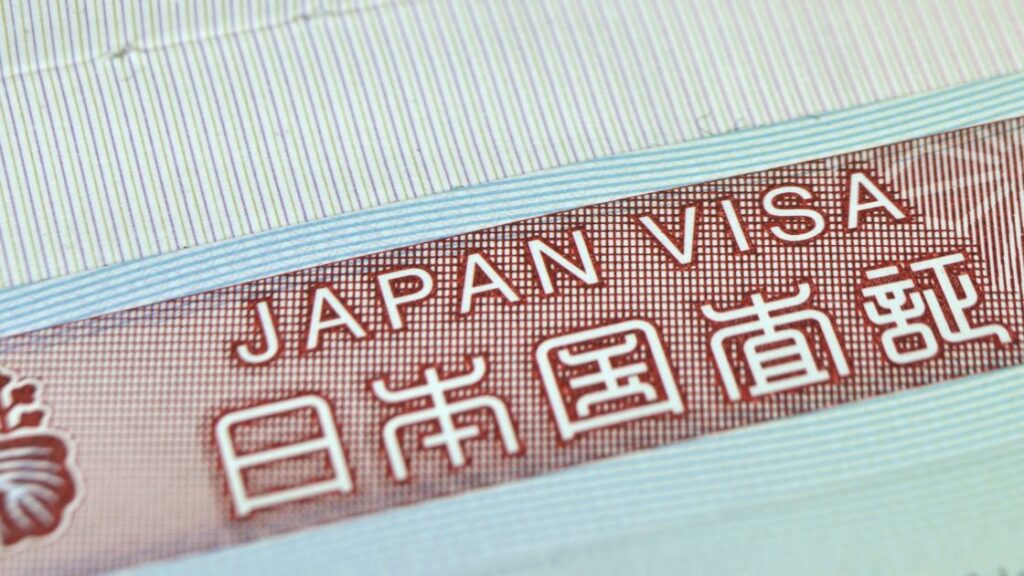
 Image by Charlotte Davis
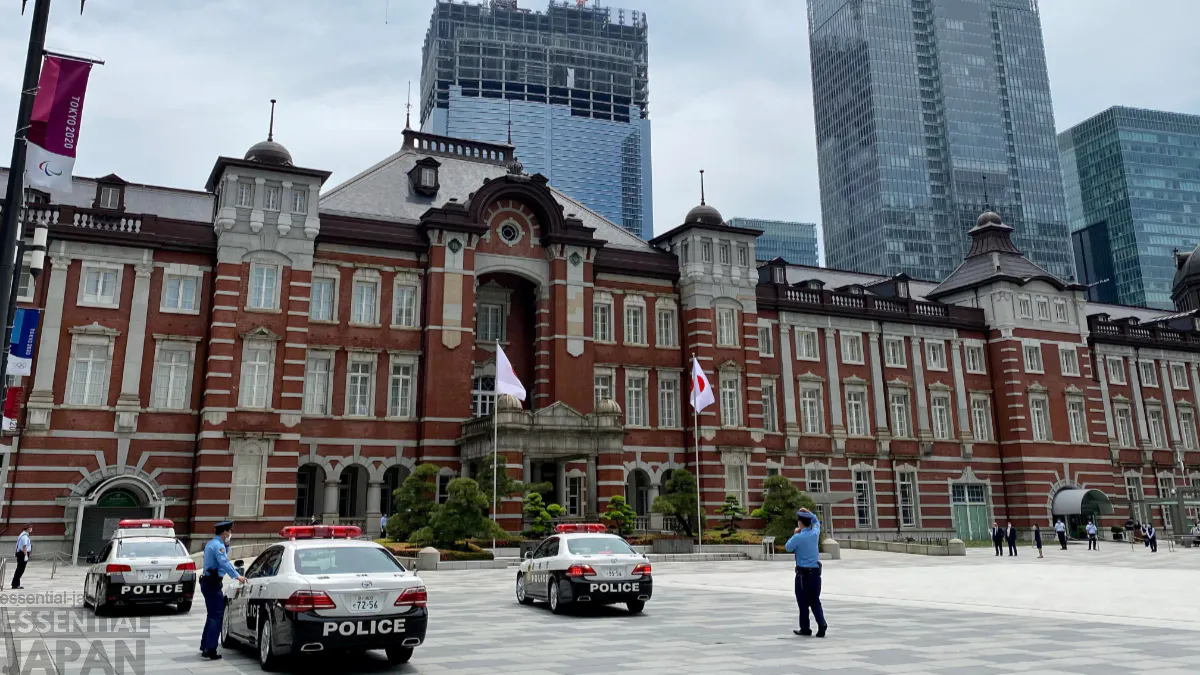
Tokyo police have arrested three people suspected of helping wealthy Chinese nationals obtain residency in Japan through fraudulent visa applications, with investigators examining an alleged operation that charged clients as much as $600,000 each.
The investigation centers on Japan’s Highly Skilled Professional visa system, which allows qualifying foreign nationals to apply for permanent residency significantly sooner than usual, with police suspecting that forged academic qualifications and employment records were used to secure approvals.
The three suspects have been identified as company executives Hotei Aizawa, 39, and Emi Makino, 45, alongside Chinese national Zhuang Yi, 57, who allegedly obtained residency status using false documents.
According to the Tokyo Metropolitan Police Department, Aizawa operated a business assisting wealthy Chinese nationals who wanted to relocate to Japan, with investigators now examining his involvement in approximately 30 to 40 visa applications dating back to 2020.
Police suspect that he charged clients around $600,000 each, retaining approximately $450,000 as compensation for arranging their residency applications.
The arrests stem from an application submitted on behalf of Zhuang, who allegedly obtained permission to enter Japan after documentation was submitted falsely claiming that she held a master’s degree in business administration.
The documents also claimed that she would be employed by a company connected to Makino, although investigators believe the employment arrangement was fabricated to support her application.
According to police, the application was submitted to the Tokyo Regional Immigration Services Bureau in December 2025, allowing Zhuang to enter the country under the Highly Skilled Professional (i)(b) residency category the following January.

Zhuang reportedly told investigators that Aizawa had promised he could help her obtain permanent residency legally and that she had paid him $600,000 for his assistance.
Aizawa has denied the allegations, while police are continuing to investigate the involvement of the other suspects and whether similar methods were used in additional residency applications.
The case has attracted attention partly because the Highly Skilled Professional system offers one of Japan’s fastest legitimate routes toward permanent residency.

Introduced to attract experienced professionals, researchers and highly qualified workers from overseas, the scheme assesses applicants through a points system that considers factors including academic qualifications, professional experience, income and other relevant achievements.
Applicants generally need at least 70 points to qualify for the Highly Skilled Professional status, which provides several immigration benefits unavailable through ordinary working visas.
One of the most significant is the reduced residency requirement for applying for permanent residence, which can fall from the usual 10 years to just three years for people who maintain at least 70 points.

Those meeting the higher threshold of 80 points may become eligible to apply after only one year of residence, although they must still satisfy Japan’s other permanent residency requirements and approval is not guaranteed.
That accelerated pathway appears to have been central to the alleged scheme, with investigators suspecting that falsified educational credentials and employment arrangements were used to qualify applicants for preferential immigration treatment.
Aizawa had already been arrested in a separate investigation in June over allegations that he unlawfully arranged for a domestic worker to enter Japan to work for wealthy Chinese nationals.

Police say that investigation helped uncover the latest case, prompting further examination of his business activities and previous residency applications.
The arrests come as Japanese authorities are taking a closer look at the country’s immigration system and the potential misuse of residency arrangements.
The government previously established a cross-agency task force to address concerns about illegal activities and the misuse of administrative systems involving foreign nationals, reflecting the increasing scrutiny surrounding immigration enforcement.

Japan has also been considering broader changes to immigration and permanent residency requirements, including proposals to strengthen checks on applicants and ensure that existing residency rules are being properly enforced.

These wider developments come as Japan faces the challenge of attracting skilled overseas workers while maintaining effective checks against fraudulent applications, particularly for residency categories offering accelerated access to permanent settlement.

The latest arrests were announced by Tokyo police on October 28, 2026, with investigators continuing to examine whether Aizawa’s alleged operation helped additional clients obtain residency through false applications.
No convictions have been reported in connection with the latest case, and the allegations against the three suspects remain subject to the ongoing investigation.

If you enjoyed this article, you can see more from us directly in your Google feed by adding us as a preferred source.

This post may contain affiliate links, and Essential Japan may earn a commission if you purchase through them.